• Emergent Earth

    On Emergence

    I remember that there was a point in my childhood when I believed that the president was in charge of a country; that he directed and was consequently responsible for its course. As the years have passed I have been progressively disillusioned and my role has been inherently complicated as I have realized that course of the world is nebulously steered by all of us and we are all eminently human. We are not in a vacuum, although as an individual it is difficult to fathom the varied and complex impacts of a decision, they nonetheless propagate through the world. We have entered, with the increased interconnectedness of the world made possible through communication technology, a time in history where we are able to view humanity from a meta perspective made widely accessible. We are able to see what emerges from six billion of us; we are able to watch as we commit very human atrocities and mistakes of the past, but with no one to blame but ourselves. What are we doing?

    Emergence is the way complex systems and patterns arise out of a multiplicity of relatively simple interactions. The observed intelligence and order that arises within ant colonies or bee hives is a good example, or the incredible interconnected vast network of knowledge and information comprised entirely of ones and zeros that is the internet. In the same way that these systems arise, the complex consciousness that wrote this and that is currently reading it arises out of the incomprehensibly vast interconnected combinatory network that is the human mind/body. Our perception, our emotions, our ability to reflect, our ability to exercise impulse control, our ability to create, to understand, to learn all emerge from this interaction.

    We have scarcely explored  the labyrinthine depths of our minds and bodies. Our brains define us within the animal kingdom; they are the height of evolutionary complexity refined over billions of years. The spread of our genetic material around the earth has been catalyzed by the incredible adaptability of our minds and bodies to our environment and by our consequent ability to recognize threats and opportunities. This adaptability and complexity is represented physically within the three pound mass that is our brain; three pounds comprised of roughly 100 billion neurons, each one with thousands of synaptic connections running to other neurons.  This network typically accounts for 2% or less of body weight, yet it consumes roughly 20% of the body’s oxygen and 25% of its glucose.

    Neurons receive signals from every part of the body through the nervous system, which operates as a complex network strung together with synapses that send signals from neuron to neuron for processing with the purpose of regulating our internal systems and perceiving external threats and opportunities. They operate as excitory and inhibitory cells, firing along their synaptic connections if a certain chemical or electrical threshold is achieved from the thousands of other neurons with which each one is connected. They are our connection to the external world in addition to all that constitutes our internal world. Neurons form smaller networks in this way, building and strengthening synapses each time that they fire simultaneously. The more a network fires, the more glucose and oxygen it receives. We store every event or moment, along with its feeling tone and much other inconsequential data, in this way. An imprint is made in our mind. Memories and feelings are recalled by similar events or even seemingly innocuous occurrences. Evolutionarily memory serves the purpose of storing information regarding threats and opportunities. Our minds are structured to be most adept at recognizing threats and tend to store them more markedly than positive experiences as positive experiences have far less consequences for our survival. Neurons underlie the functioning of all the basic systems that constitute our body, a vast array of interdependent switches.

    Our concept of self emerges as we have no other relation to the world than through the memories, the imprints left on this network as a recipient or actor in all of the events that constitute our lives. We are that which perceives, craves, fears, wants, reflects, acts, feels; all of which can only have the body as their referent. This subjectivity gives rise to a subject. The self brings everything together into a cohesive concept, but one that is malleable and continually evolving with each passing moment as the physical web of connections that learns, remembers, and changes.

    Emergence can also be used to understand our collective existence and the nebulous properties of humanity that arise through our interaction with one another and all that is external to ourselves. As we breathe, as we transport ourselves, as we speak, as we eat, as we drink, as we consume, we interact with and change what we perceive as external to us. The global economy, political decisions, war, environmental degradation, materialism, inequality, injustice, the intellectual edifice, the institutions that govern our lives all emerge out of the complex interaction of over six billions three pound bundles of neurons. Each of us is a node in this vast network.

    The scale and range of these emergent properties are continually growing with the growth of humanity, but our minds appear to be insufficiently adapted to the current state of human existence to find a sustainable balance. Evolution individually rewards unflagging vigilance, rapid response in instances of occasional threats or opportunities, and the maintenance of internal physical balance. Difficulty arises as we live in a world that is perpetually in flux, that is completely interconnected, where there are constant minor threats and a myriad of opportunities. The mind and body are motivated through the interaction of neurons with glands that release chemicals, such as adrenaline, dopamine, norepinephrine that produce strong internal feelings with which we are all intimately familiar, stress, lust, fear, craving. It is evolutionarily advantageous for these feelings or motivators to have a strong impulse towards action as they evolved to do exactly that, but often have a tendency to misguide us or continue driving long past any recognizable destination.

    We no longer live a hunter gatherer’s existence; we no longer live in small tribes where social standing is of incredible importance for the propagation of our genes, we no longer live in a state of perpetual physical threat; we widely recognize the benefits of constraining population growth. We are operating an old system directed towards contemporary aims. What are we seeking? Happiness seems to be the general consensus. What is happiness?

    On Happiness

    I have traveled high and low, seen the miser living in gilded misery, seen the jubilant pauper, seen the tortured genius, seen the grinning imbecile, seen the begrudged beauty, the exuberant eyesore, the restless junky, the disgruntled devotee, the ungrateful heir, the contented monk, the joyous artisan, the bereaved widow, the lively libertine. I have journeyed into my mind through a lengthy process of reflection, self-observation, and research.

    What is happiness? To many people on earth, myself included, this idea appears as the primary aim of existence, although we by necessity approach it obliquely as it is nebulous, flighty; it seems to be perpetually beyond the grasp of many. It isn’t a place, it isn’t a thing, it isn’t a goal, there is no way to grab it, there is no agreed upon path; there isn’t a definition that seems satisfactory. We spend our lives pursuing it though with some socialized notion of what it represents to us, an idea of the right path. Rare is the individual who lays happiness out as their specific goal, even rarer is the individual who does this and ever finds it. The prevailing idea that dominates our world currently is that we maximize the happiness or well being of individuals through the maximization of personal freedom, which is inexorably linked to the idea of material prosperity.

    Is happiness something completely abstracted from the external world, a proper balance of chemicals in one’s mind? Is it innate? Is it something that can be cultivated? Is it an identifiable, consistent sensation of tranquility, absence of suffering, comfort, satiation? Or does it originate from things external? Is it relative material prosperity? Is it granted by god, by faith, by fate? Is it to be found in other people, in family, in community, in friends? Is it love? Is it health? Is it to be found in understanding, in learning, in philosophy? The ability to perpetually gratify an endless stream of desires? Is happiness mere distraction, through entertainment, through substances, through work? Is happiness found in expression, creativity, art?

    Can you make another person happy? Will anyone ever be truly and completely happy as long as suffering exists? Does it even exist, is it tangible, or is it just a delusion, the very conception of which leads us wayward? Is it by its very nature fleeting or is it something that can endure? Can it ever be found in the future or is it something that we must find in the moment, in the life we already have? Is it the right combination of all of these things? Is it something that varies from person to person? Or is there commonality amongst people? Is the very act of searching the problem?

    Do we know how to make ourselves happy? How often are we misguided in our pursuit, deluded as to what we think we desire as opposed to what we actually desire? How often do we speculate in our dissatisfaction or anxiousness that having something or someone, or the reverse, the absence of something or someone, will bring us happiness, only to find out that we were mistaken upon satiating this desire?

    The discomfort that a craving or aversion creates disappears when the object that it desires is achieved; it is possible this is the best way to interpret the quiescence, tranquility or contentedness that many of us construe as happiness. It leads to our networks of neurons fleetingly lighting up. Within the brain the most human of areas seems to be the prefrontal cortex, which has evolved to reason, speculate, control impulses, and simulate with the object of satiating social and physical needs, but our ability to speculate on outcomes and determine a clear path forward diminishes with complexity and depends on our previous experience in that area. The prefrontal cortex is often not accurate; it is not properly oriented to our complex world; it is adept at deciphering how to find food, water or a mate, but not as skilled at deciding between a dozen products or choosing a career path. If we have not encountered a specific situation previously, it is likely that we are going to misjudge the outcome and its consequences to ourselves.

    Developed economies seem to turn on the reality that the mere conscious belief that something is desired, the belief that it would possibly make you happy, has the ability to generate a legitimate discomfort. This discomfort can generate a desire that upon satiation leads to quiescence or contentedness, regardless of whether it is misguided or self-harming. Its gratification leads to a cessation of the discomfort, creating a cycle around it, a craving. In this way many of the strange compulsions and seeking that we exhibit can be understood; our seemingly limitless materialism can be examined in this light.

    The root of much of our transitory cravings and desires lies in a more deeply seated desire for beliefs. We want to believe that we are beautiful, that we are loved, that our job is infinitely meaningful, that we are important, that we are ethical, that we are intelligent, that we are happy. These beliefs cannot be made a reality, they are ideals. This leaves us trying to convince ourselves of an ideal or that it will be realized.

    “The great source of both the misery and disorders of human life, seems to arise from over-rating the difference between one permanent situation and another. Avarice over-rates the difference between poverty and riches: ambition, that between a private and a public station: vain-glory, that between obscurity and extensive reputation. The person under the influence of any of those extravagant passions, is not only miserable in his actual situation, but is often disposed to disturb the peace of society, in order to arrive at that which he so foolishly admires. The slightest observation, however, might satisfy him, that, in all the ordinary situations of human life, a well-disposed mind may be equally calm, equally cheerful, and equally contented. Some of those situations may, no doubt, deserve to be preferred to others: but none of them can deserve to be pursued with that passionate ardour which drives us to violate the rules either of prudence or of justice; or to corrupt the future tranquillity of our minds, either by shame from the remembrance of our own folly, or by remorse from the horror of our own injustice ― Adam Smith, The Theory of Moral Sentiments

    What does happiness mean to me? It is a balance in my life that manifests as an effortless flow, as clarity, as contentedness, as serenity.  A pure manifestation of this flow appears when I am meditating, when I am writing, when I am doing something physically absorbing. I seem to be elsewhere, wholly apart from the mundane preoccupations that dominate my life, even if I am immersed in them. The moments where I am at peace and find happiness seem to be when I am letting the current of life carry me, feeling the flow and watching the world whisk past rather than swimming against the current or trying to grab hold of the banks to stop the inevitable. This flow to me is the balance of the universe, all that is beyond my locus of control; understanding this means living within it.

    I seem to experience two wholly distinct types of happiness: there is happiness that is derived from my life accomplishments, from the narrative that I give to my life; and there is happiness that I find in the beauty and tranquility of each moment. One lies in the actual conscious flow and the other resides in the detritus that is pulled from the flow and kept in my memory. I often look towards the narrative that I create, this voice inside me, as the arbiter on my state of being, my happiness. I believe we can perceive our lives as complete and fulfilled, as we all often do, and be completely miserable in the present. Being happy with one’s life seems to be related to achieving one’s goals, attaining certain things, but experiencing happiness seems to lie in finding tranquility, love, equanimity, performing actions that bring these feelings into one’s life. There is an important balance to be found between the two, but the second seems more imperative than the first.

    Happiness can be found in gratifying cravings and desires, but a more lasting happiness is to be found in the cultivation of appreciation and acceptance. It seems that in a way, happiness is the antithesis of perpetual restlessness and seeking; it is contentedness. We see our ability to accept and find happiness in the quickness with which we adapt to a situation with no other option; most people rapidly accept and move onward. It is the choice, the option that agitates us. Striving to gratify an endless stream of individual wants is unrealistic and this path is chosen at the expense of the environment, collective society, personal time, and stress.

    The physiological nature of our minds is both freeing and vexing. If all one’s self, ones memories, ones learned behaviors are manifested through physiological change, if it all amounts to a remapping or reworking of our brain, then we can shape, change, mold our minds. We dedicate much time to cultivating our physical appearance and collecting objects, yet very few of us find time to nurture our mind, to take care of it, to listen to it. Mindfulness is incredibly important as it is how we can shape our mind, through control of the focus of our mind’s eye; we are able to choose our direction, choose our path.

    If we look inside ourselves it is hard not to be humbled by the complexity and the vastness of the brain, of its existence as a unique map of each person’s life, of the capricious torrent of self-directed thought and perception that characterizes each of our internal lives. We can derive compassion from an understanding of the internal life that characterizes each of us, the seeking, craving, the aversion, the weak self that is all driven by strong physical impulses. We can also begin to understand ourselves, take responsibility for the world in which we live and strive to contribute something greater. In a world that emerges from our interconnectedness, from the complex interactions of each one of us, what signals are you sending? What type of world are you ultimately helping to foster through your decisions and actions? Are you living in accordance with the values that you hold? They cannot legitimately hold much truth for you if you are not. These questions have sweeping implications for the structure of the world that we live in, for the existence of every individual. If you are not creating tranquility, contentedness, compassion, balance, and goodwill, what is the nature of your existence?

    What is happiness to you? What do you seek in life? Please respond and enlighten me.
  • Preflightal Cortex

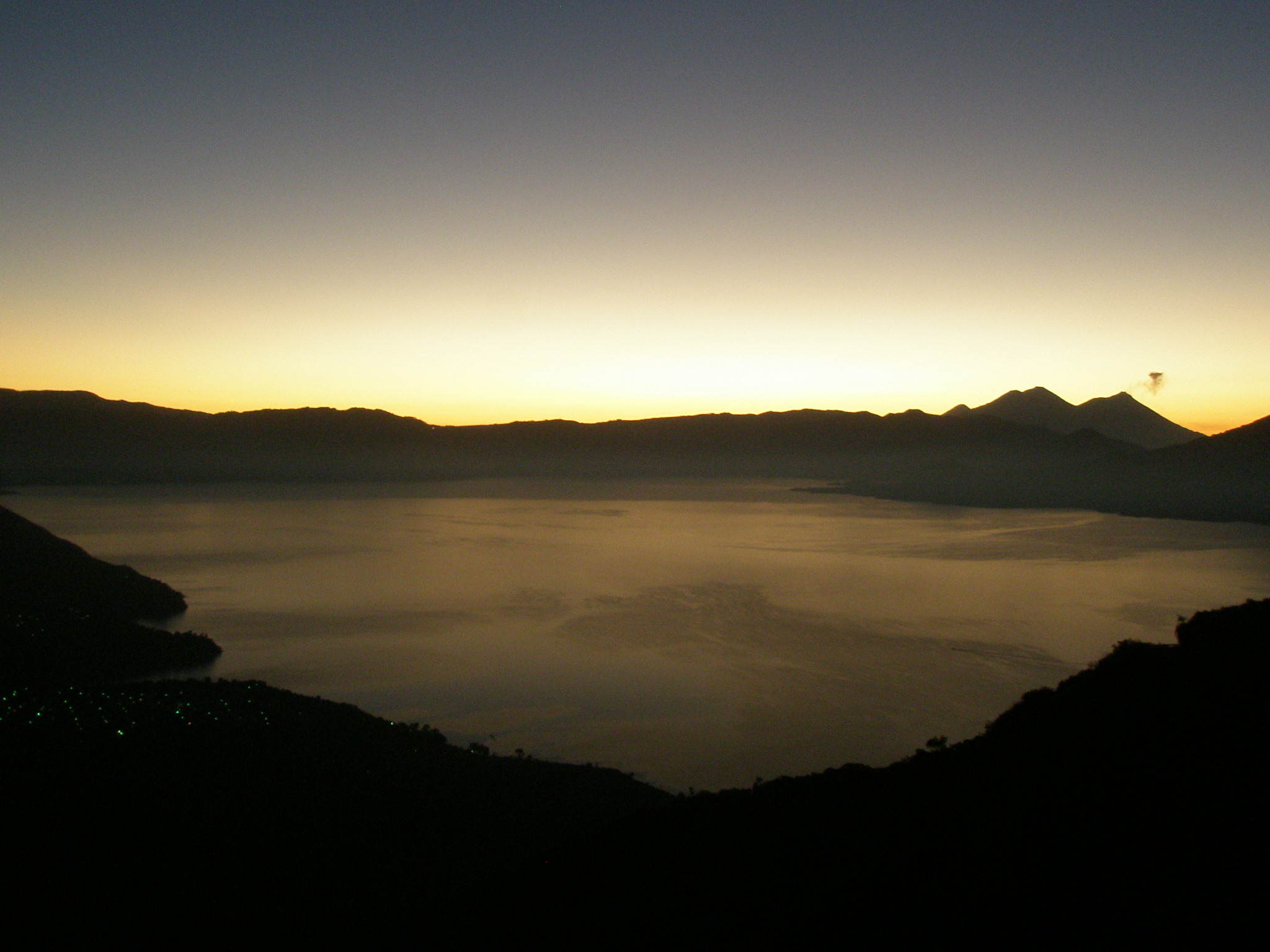
    Lago de Atitlan, Guatemala

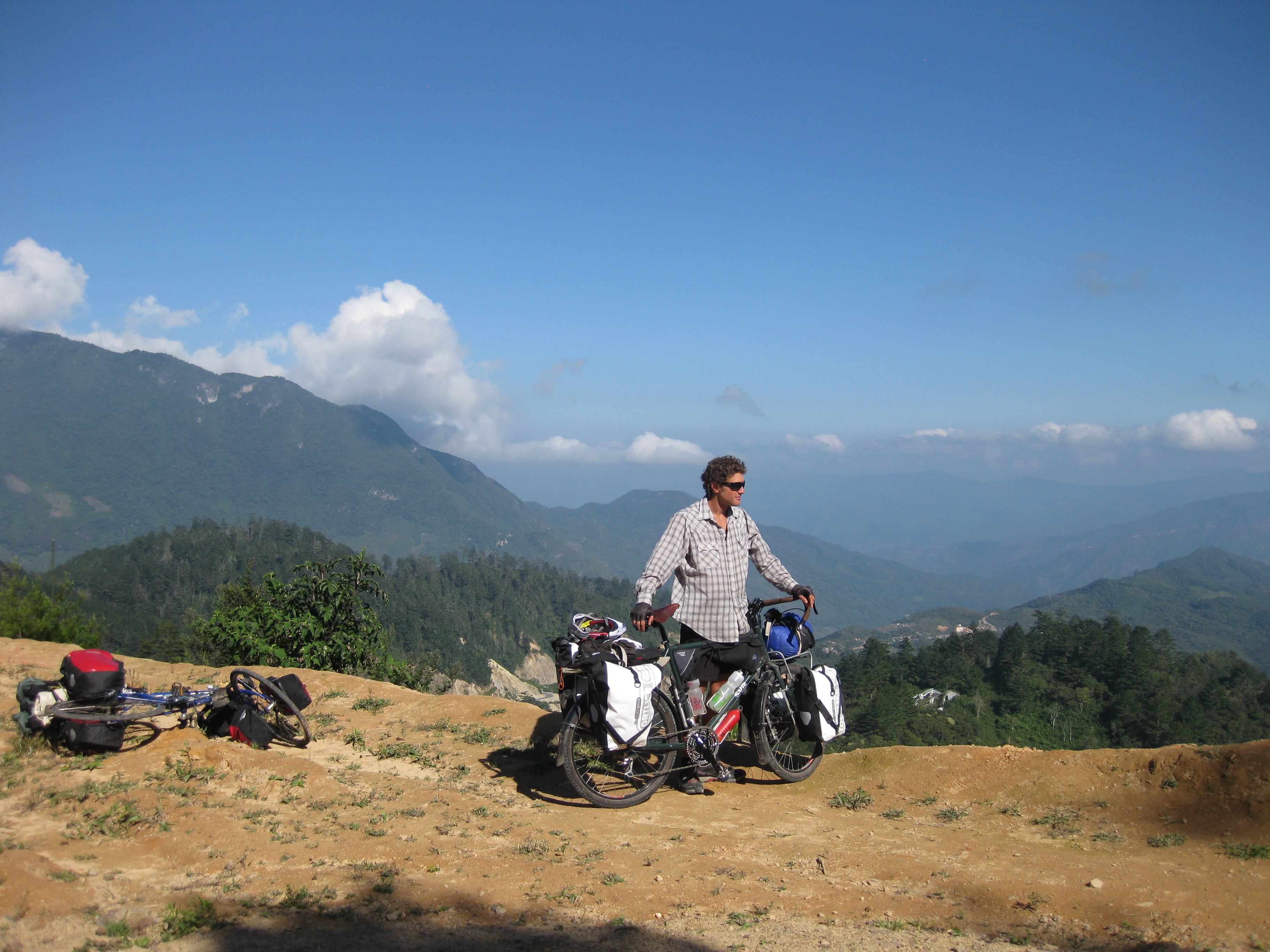
    I don’t even know where to begin with this day, somehow the idea of flying back to America has produced a fight or flight response; it seems as if I have already chosen flight once. So this story is about flight, through and through. I am going to be honest about my life: it hasn’t been normal for a long time, if ever. I don’t have any identifiable career path. I don’t have health insurance. I don’t have any money saved for the future. I have paid rent for a total of ten months in the past six years; I have essentially lived out of my backpack and car. I have been flying for a long time. I set off into the Sonoran desert two years ago by myself with a backpack. I felt like I needed to experience the world, to countenance the world as my bare self. I am not sure if I can explain this impulse to anyone who has never had it.  I came home to Utah after six and a half months, worked for six months and then I found myself crossing the border ten months ago into the unknown, or at this point, slightly familiar on a bicycle.

    I am not actually coming back to America yet, just visiting for a month, but I feel like a dog when it sees suitcases sitting by the door. The pacing and salivating start as synaptic maps light up in recognition of similar circumstances, physical stress manifests with an unclear referent. All signs point to change, point to uncertainty. Is the kennel going to come out?

    Lago de Atitlan, Guatemala

    The kennel? What is this all about? When I think about America, it evokes images of frantic energy, flashing lights, insufficient time and people that seem lost. I like tranquility and having time to do read, write, relax, meditate, converse, hike, run, ride my bike, cook. I like being challenged, physically, mentally, culturally, linguistically. The concept of America is somehow synonymous with a kennel that will deprive me of the freedom to do these things and losing the ability to do what I love obviously worries me. It is the time demand, time that seems invaluable to me, time that is finite and all that I have, flowing past continually.

    When I think about all of this and it is like when the kennel is brought out, suddenly the whining and panting begin, the urge to urinate on expensive rugs rises quickly. I want to run out of the house, into the street, into the unknown.

    Lago de Atitlan, Guatemala

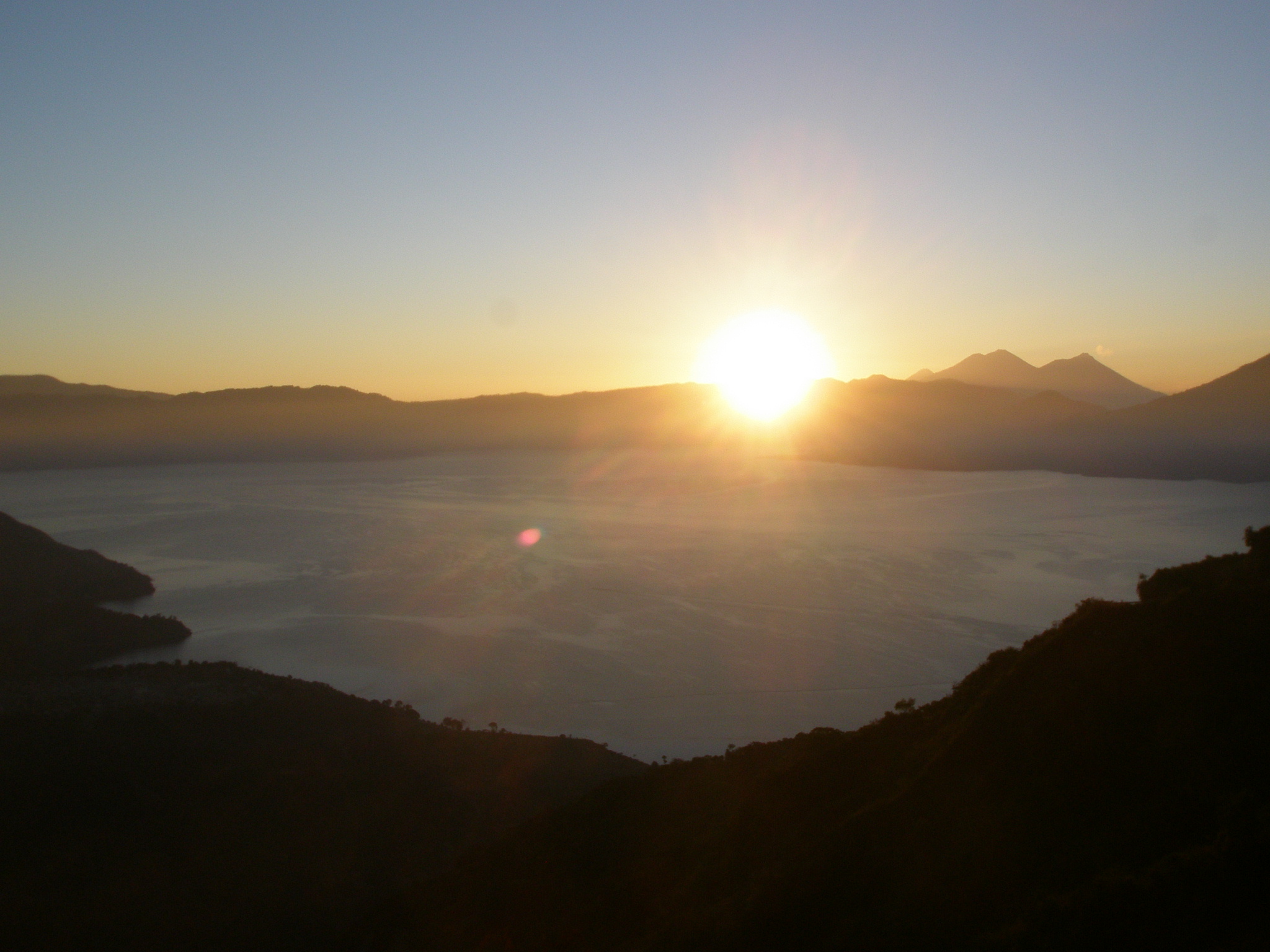
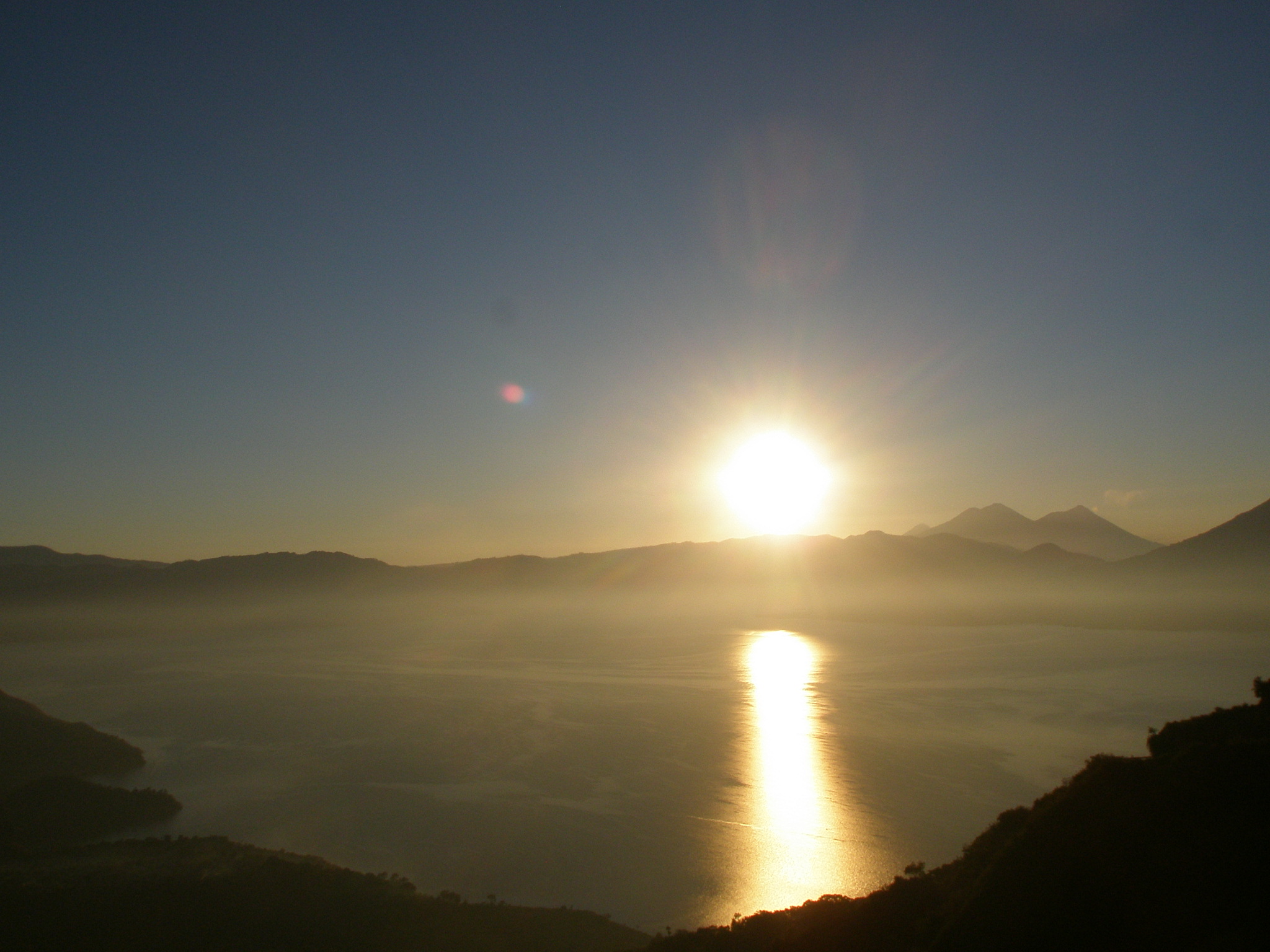
    I wake up to swim, sip coffee, meditate, take an excessively long hot shower, and ruminate on the banks of the emerald expanse of the lake. I watch all of the advancing and dispersing waves from the water taxis ripple the surface, they wink at me when they meet, the sunlight glancing off the shifting angle of their surface. I rudely appraise them as the mug touches my lips.

    I am languidly sipping my coffee with subtle alarms going off in the depths of my mind telling me to get it together, but I literally think like this: You are being irrationally anxious Alex. It will all work out, don’t stress out. If you act patient, calm and tranquil, then everything will be fine.

    This works until I nonchalantly check my email and see that my flight leaves two hours earlier than I thought. The alarms are bellowing and my adrenaline is spiking, yet I casually pack my things despite the sweat pouring down my body.

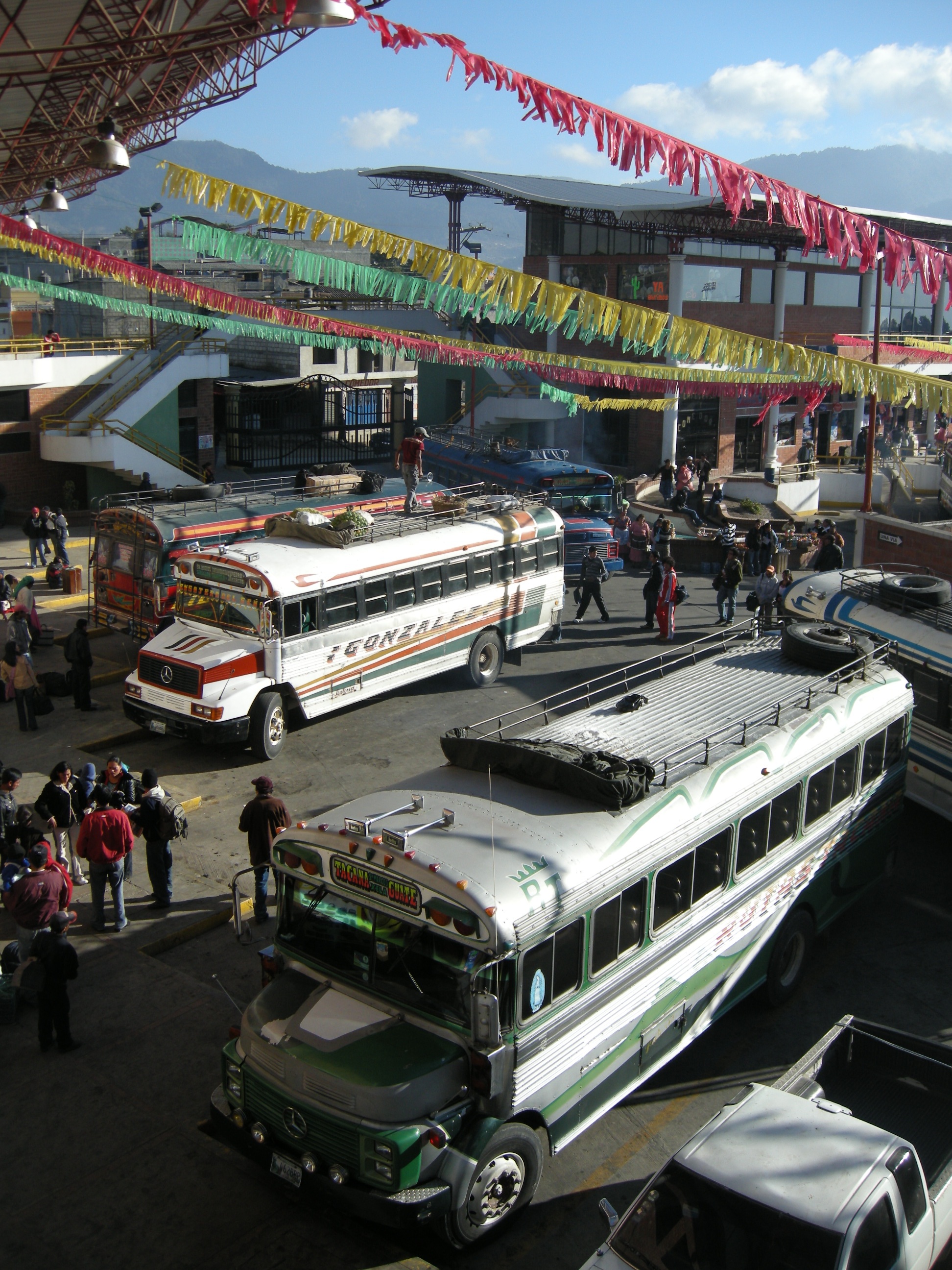
    I glide across the lake in a water taxi; I look outward, wishing all of the stunning scenery would pass by faster as it assails me with its resplendent beauty. I speed walk towards the bus stop, peeing on a fence that lines the road. The driver of the next bus mashes the pedal to build momentum for steep climbs, bracing himself against the window for the sinuous sections.

    Buses in San Marcos

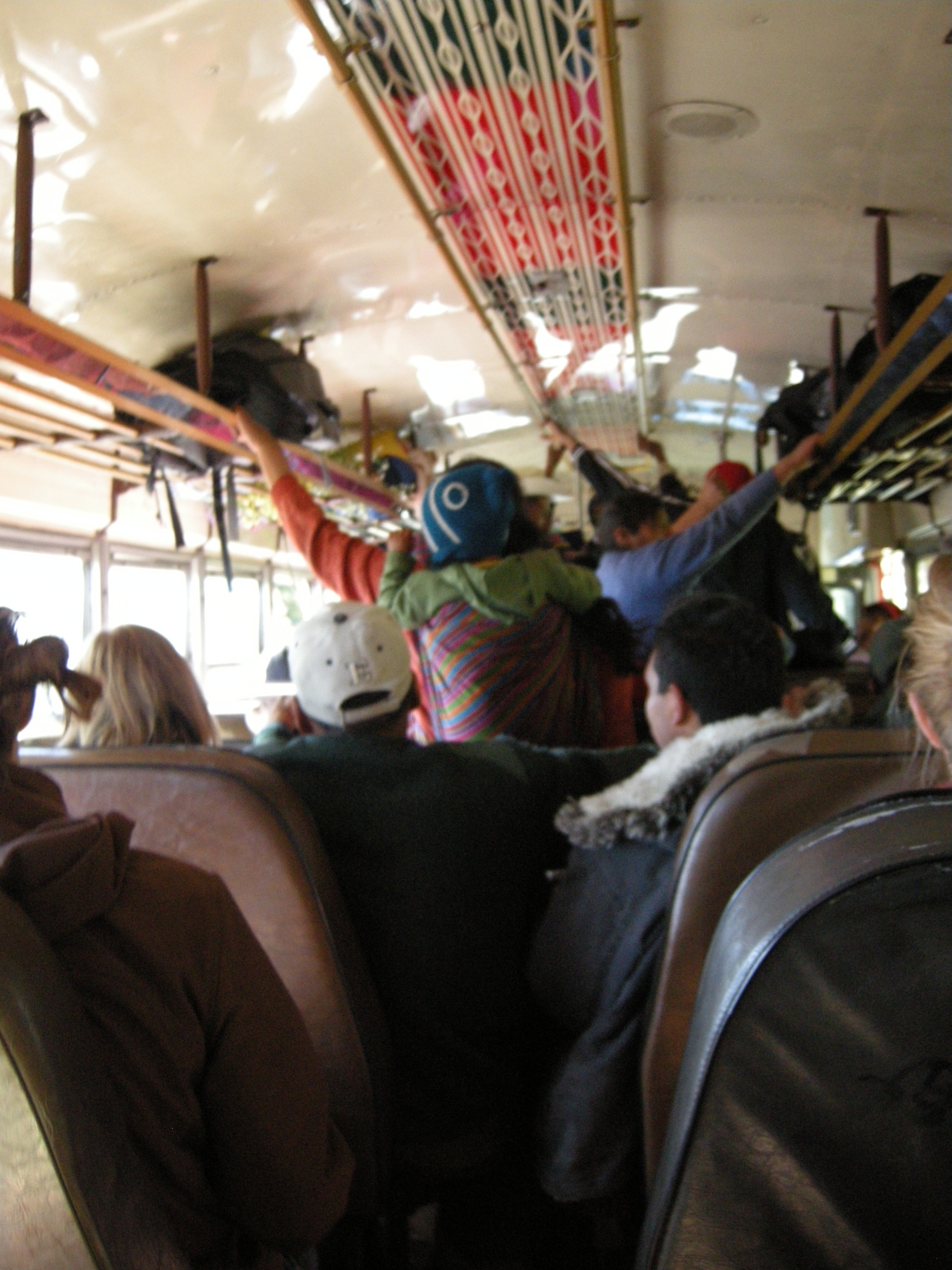
    The ayudante is in a perpetual state of manic motion, scrambling on the exterior and swinging through the interior; I can only liken it to how Curious George would behave if the man in the yellow hat had given him several grams of cocaine before putting him in the cage and loading him on a bus, but Curious had courageously chewed his way through the steel bars and begun to frantically evade hallucinated men in yellow hats pursuing him.

    There is still plenty of time. OH MY GOD THERE IS DEFINITELY NOT PLENTY OF TIME. I keep telling myself that it will be alright, that I am being irrationally anxious to fret each time the driver stops to pick up a
    Hood ornament on a different bus.

    person that materializes out of a cornfield or slows down to send a text message. An hour before the flight takes off, 22km outside the city the police decide to stop the bus and have a roadside discussion with the driver. Be calm. Be calm. BE CALM? The fucking $800 international flight leaves in an hour. I was supposed to be there, what, five hours before to have x-rays taken of my genitals? To be asked asinine questions and have my pathetic possessions pawed by the prying fingers of the ever expanding surveillance state? To….AHHHHHHHHHHHHHHHH……

    No, I don’t want your charity cookies or any of those fucking ice cream cones that somehow never melt and always look perfect! Aguas? Jugos? Frutas? No. Aguas? Jugos? Frutas? NO! STILL NO!

    Inside a Chicken Bus

    All of the chi infused into my 12 chakras by bathing myself in the healing and tranquil energy portal that is Lago de Atitlan has precipitated into fulminating anxiety when mixed with the reagent reality. We drop into the smog and traffic of Guatemala City and I get off the bus in front of a Walmart where I hail a cab. I manually force my charkas into order and calmly tell the driver that my flight leaves in 45 minutes and that I am therefore in a slight hurry.

    He whistles. ‘Do you lose your ticket if you don’t make it?’

    ‘I am not sure.’ I sit thinking for a minute as he weaves through traffic.

    ‘I think I will make the flight as Guatemalans are friendlier, more helpful people than Americans.’ I am definitely trying to convince myself here, while offering a compliment.

    I run out of the cab, thrusting sweaty money that I had been palming for the past 15 minutes into his hand. There is no one at the ticketing desks, although the screens still flash information regarding my flight that leaves in 30 minutes. I find out where the United Airline’s offices are located, run there, run past the door, run back and burst in amidst frantic gesticulations and panicked Spanish, likely conveying a level of urgency that would be expected of someone transporting a freshly harvested organ. After trying to persuade me to take a flight the following day, he accepts that I am not going to leave him alone unless I try to make this flight.

    ‘Can you carry those bags onto the plane?’ He asks quickly as we both look towards my massive bag stuffed with two handmade wool blankets and a kilogram of mole negro. I feel like this is a question that he should answer, not me, but I am definitely not going to say no.

    ‘Uh.. Yeah.’ I say this with one eyebrow raised and my head tilted.

    ‘Do you have any liquids in your bag?’

    ‘Uh…No.’ The  mole negro is somewhere between a liquid and a solid.

    ‘Okay, let’s go get you checked in.’

    We run downstairs and he frantically pushes buttons. I get to security and there is almost no line, I fill out my documentation haphazardly and approach the desk. The customs official calmly scans my passport and glances at my documentation. I see a red popup box start flashing on her computer screen that says something about ‘Illegal Resident Alien.’ My hear drops, but she closes the popup and slams down the stamp. I am sent on my way.

    I load my bags onto the conveyor belt and step through the metal detector. I watch the face on the woman monitoring the screen as my bags pass through. Come on, come on, come on. She halts the belt. She calls someone else over. Both of my bags are seized and pulled off to the side.

    ‘Are these your bags?’

    ‘Yes.’

    ‘Can I see your passport and ticket please?’

    Fuck! 20 minutes. The mole! The waterbottle! All of the strange shit that I am carrying back!

    After glancing at my ticket she looks up with a shocked expression on her face.

    ‘Sir! Your flight leaves in just a few minutes! You need to go! Run!’ She hands me my bags and sends me running. I want to kiss her and the ground of this amazing country.

    I run through the tile floored terminal, my cowboy boots clomping and echoing through a place that is already not Guatemala. I already had my documents checked to make sure I was acceptable to enter this organized, capitalized, surveilled, clean, hierarchical world. I am not even the last person to board. I stare out the window as the smog and disorganized sprawl disappear as we ascend into the clouds.

    There are TVs on every seat now, 100 channels of satellite TV that you can pay for with a credit card. It glares in my face. I resist looking at it, but it will not let me turn it off. Insurance, resorts, things, services. I briefly think about how one day they might just figure out that they should charge you to turn it off, to make the commercials stop, to have peace and quiet in your mind.

    The ground is visible; there is something wild about this, something that alters perspective, not just visually. There was a time not very long ago when humanity had never looked down upon itself from planes, from space. Nobody had seen the earth from this vantage. It looks like an outpost destined to be reclaimed as nature patiently bides its time against the impudent intrusion. Everything in Houston, Texas glimmers with steel and glass. There are tall buildings at the center, where it is the most dense and the least green, before gradually becoming less dense along the spokes of concrete that radiate out from the center. These arteries are flowing with cars, but occasionally clot with traffic, flowing away from the heart, the pulse and flow will shift the following morning. In, out, in, out.

    The identical houses on the outskirts remind me of a kindergarten project where we made a big model of a town and all of the houses and buildings were milk cartons. An empire boldly built out of milk cartons, one that lasts just until someone realizes that plastic bags or tetra packs are superior. It was just a project, just something that we had to do so that we could learn, but it held no importance beyond that, just a phase. Look what we can do! It was destroyed at the end of the year as we had no use for it anymore; we all moved on to do something else, we grew up and did something a little less crude, a little better, something with more meaning and more permanence.

    Traveling lifts you out of the routine into the completely novel; everything is vivid, sounds are louder, smells are stronger, light is more beautiful. I marvel at the people, the fashion, the seriousness, the technology, the opulence. The smell of cookies and perfume pervades throughout.

    Going through customs to enter the United States is one of my most outwardly despised, but inwardly relished activities. I make up my flight number on the entry form as I can’t find my ticket. As I wait in line I hear a security official speaking aggressively to someone. I look over to see a Muslim woman wearing a hijab being singled out and escorted away. She follows obediently, but her four year old son is not compliant. He is at the perfect height to run under all the elastic line dividers, laughing and dancing as he goes. The government official sternly orders him around to no avail, the mother looks on with indifference. He paces and tries to maintain his cool as the kid taunts him from just beyond his reach. This goes on for several minutes, the kid oblivious to all of the cold technology watching him, to the global inequalities, problems, terrorism, security, bureaucracy, religions… They finally corral him and then they are led away. He is wearing a diaper that I imagine to be full of feces that he similarly accepts with utter indifference.

    I reach the customs official, he has a shaved head and greets me with stern formality. This conversation is authentic and occurred in front of a massive line of people, but seems like a hilarious parody of many that I have had previously.

    ‘What were you doing in Mexico and Guatemala?’

    ‘Riding my bicycle South.’

    ‘What do you have some sort of goal or mission? Are you out to prove something?’

    ‘Nope, just riding my bicycle because I like to ride.’

    ‘Yeah sure. That is cool and all. Yeah. Maybe you will have some story to tell your grand kids if you make it, if you don’t die. You need to start thinking though, you need to think about safety, you only get one life and you need to be careful, be careful with it.’

    ‘Yeah, but if we only get one life, then we need to live it, right? We only get one shot, one experience. I want to make it a good one.’

    ‘None of it matters if you are dead.’

    ‘Hmmm…..’ I figure I will be the one to end the discussion, better not to escalate.

    ‘Just be careful. You are all set.’

    Salt Lake City

    Many people feel the need to comment on my lifestyle in inappropriate contexts, as if they are threatened by it. This man and I view life as incredibly important, but reach different conclusions given this premise. This man concludes that he should avoid risks and sit behind a desk, calling it a life lived. I think that I do need to slow down, find peace and contentedness in a more stable life; I feel some exhaustion, some wear and tear, but my philosophy will never be shared with this man. I think about the neatly groomed dog in the SkyMall catalogue wearing a ThunderVest that ‘eliminates 90% of house pet anxiety,’ that looks like its eyes are bulging out as the vest forcefully constricts its breathing to calm it.

    What is a life lived? It sounds like me and this guy are both suffering from the same delusion: that any of it matters. You can fight it until the bitter end, you can give in early, you can cryogenically freeze yourself, you can make monuments in your honor, you can leave a prodigious brood, you can write incessantly, you can just float along. Embrace the cage, howl at the moon, eat Alpo, eat butcher shop scraps, get neutered, chase bitches in heat, have a huge litter, hump a table leg, chase rodents, bark at the television, get rabies, get fleas, get groomed, stick your head out the car window, get put down by the man you worship or get hit by a car.

    Salt Lake City

    I refuse to live a story that has already been written, a story that is not my own and has a dubious ending. I think that life, that our one chance to live an incredible life, to sculpt our experience like a piece of art is bewildering, but it is the gift I have been given.

    Then I land and it is turbulent; I am a mess of anxiety and indecision. What the fuck am I doing with my life? Does everyone here know something that I don’t? What am I going to do in the future? How will I afford to live? Why do all of these people have so many shiny things than me? I have no plan. Where am I going to live? Are all of these people just going to laugh at my dreaming, at my sincerity as some type naivety? Does anything that I have done matter? What is wrong with me? I am as lost as ever. I cannot believe all of the specious bullshit that I pontificate from a cloud pulpit that disperses as soon as the wind blows. I make choices and then get unhappy with the results? Anxiety about things you cannot change? What am I, a child?

    I fight for a while, until I accept it all and let it go. We ultimately have the choice of how we perceive everything, of how we react. The mind can make hell out of paradise and find light on the darkest of nights. Life is a free gift that we should gratefully accept and do whatever we want with.

    Salt Lake City

    America is clean, safe, violent, opulent, unequal, prepackaged, natural, processed, beautiful, frantic, serene, creative, homogenized, paved, wild, free, a prison, corrupt, stable, transparent, a monster, a beacon of hope, growing, faltering, surveilling, protecting, bellicose, racist, integrated, religious, materialistic. America is a concept that emerges from the people who live here, it is all of these things.

    Everything, all of it fades when I am immersed in the love of my friends and family. After all of this I am slightly less domesticated, a little more wise and none the richer.

  • My Mind In The Clouds

    My Mind In The Clouds

    I decided, once again to the chagrin of everyone in my life, to abandon my course, to follow my instincts and remain in this place so vastly different from anywhere else on earth, a place that felt like home the moment I arrived years ago, a place that gives breathing room to my mind and dreams. The pulse of the beating heart of the Maya can still be felt in the highlands of Guatemala. I am on some acknowledgedly interminable quest search for something that I cannot phrase in words, something that I experience in fleeting moments that arise under unreplicable circumstances.

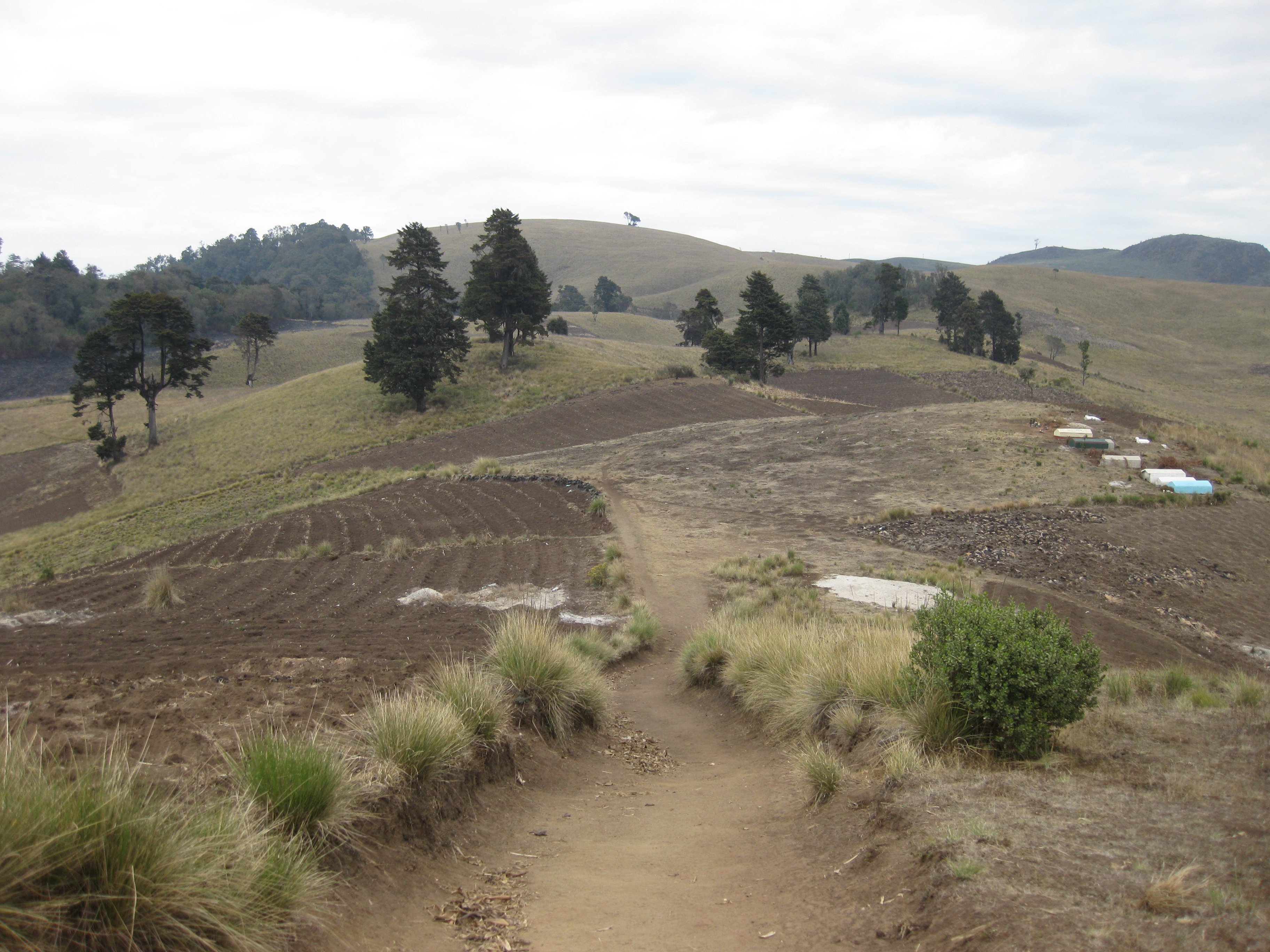
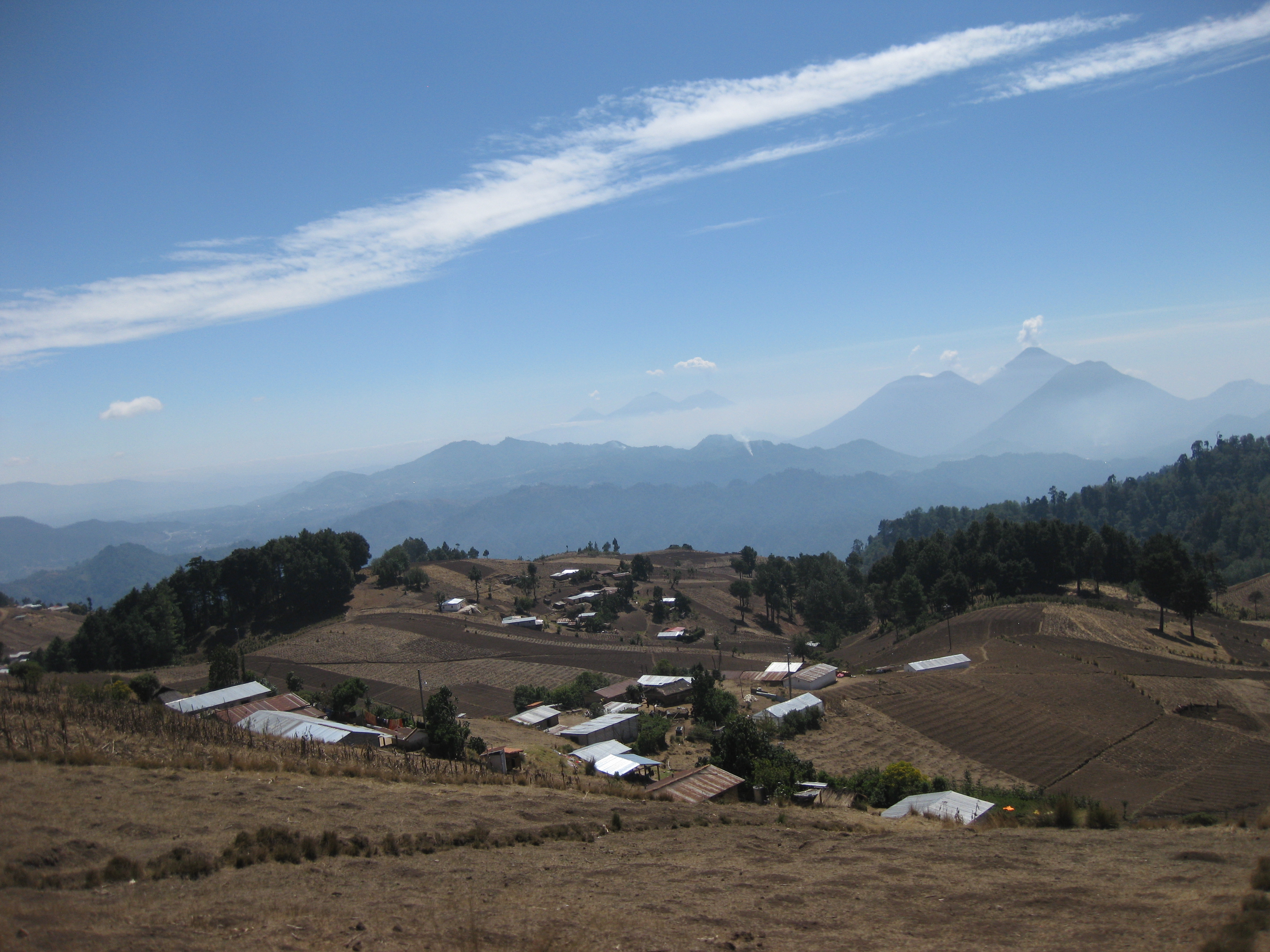
    I stare out the window, maybe a little bit high on diesel fumes, of an old American schoolbus that moves to the beat of reggaeton. Guatemala is an amazing and strange intersection between traditional culture and modernity, I watch a woman board the bus carrying a basket on her head with a cellphone against her ear. In Xecam, I hop out the back door, something that still makes me giddy after enduring a childhood of prohibition, and begin hiking my way upwards towards Nueva Xetinimit. This trail has been used since time immemorial to traverse the highlands, it was hewn by the feet of thousands of K’iche’ villagers, the feet of guerillas during the civil war and the well shod feet of those who want to see a Guatemala from a different perspective. The K’iche’ are an indigenous cultural and linguistic group numbering an estimated 1.3 million people spread throughout the highlands of Guatemala, one of over 23 extant native languages. The long dry season is nearing its end; dust billows out from under my feet with each step. I step to the side of the trail into the pines as mules pass, straining under loads of firewood that arc over their backs. Men hurry alongside with machete in hand, we smile and greet one another with a long drawn out Buenos deeeeas that I learned to mimic after spending months crisscrossing the altiplano as a guide for a non-profit, volunteer run trekking agency that supports local social projects called Quetzaltrekkers in 2008.

    The trail opens up into fallow fields furrowed and sown with maize that await the rain. A few moribund pines dot the landscape, the sheetmetal roofs of Nuevo Xetinimit shimmer in the distance. I walk thinking about how to capture this place that I love deeply. I greet a family working in their milpa and gaze out over the fields blotched with cloud shadows. I love this place because… grrrr….FUCK! I feel something clamp down on my ankle and instinctively break it loose and drive my foot directly into the cloud of fur and dust whirling around my feet. I shout obscenities, pick of a fistful of dust and impotently fill the air with a cloud of dust aimed at the retreating dreadlocked mongrel. The family dispassionately shouts as a friendly gesture, but we quickly break out into laughter after a moment. No rabies..no rabies..The only casualty is my sock.

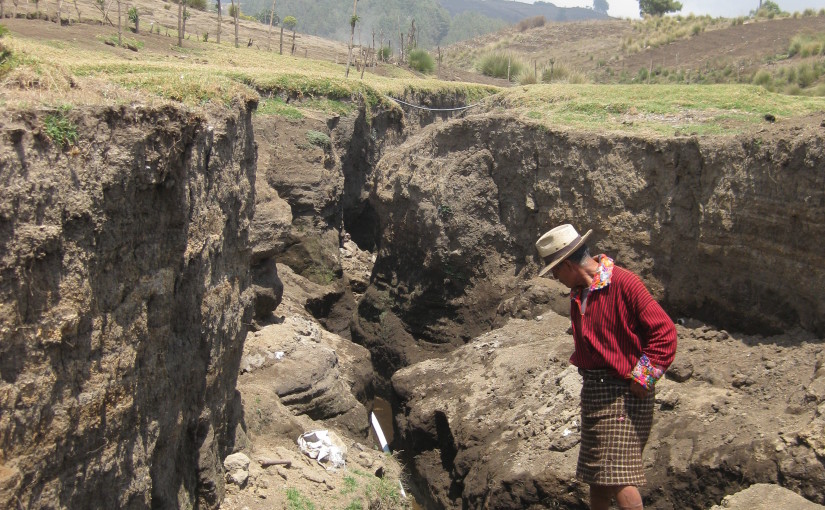
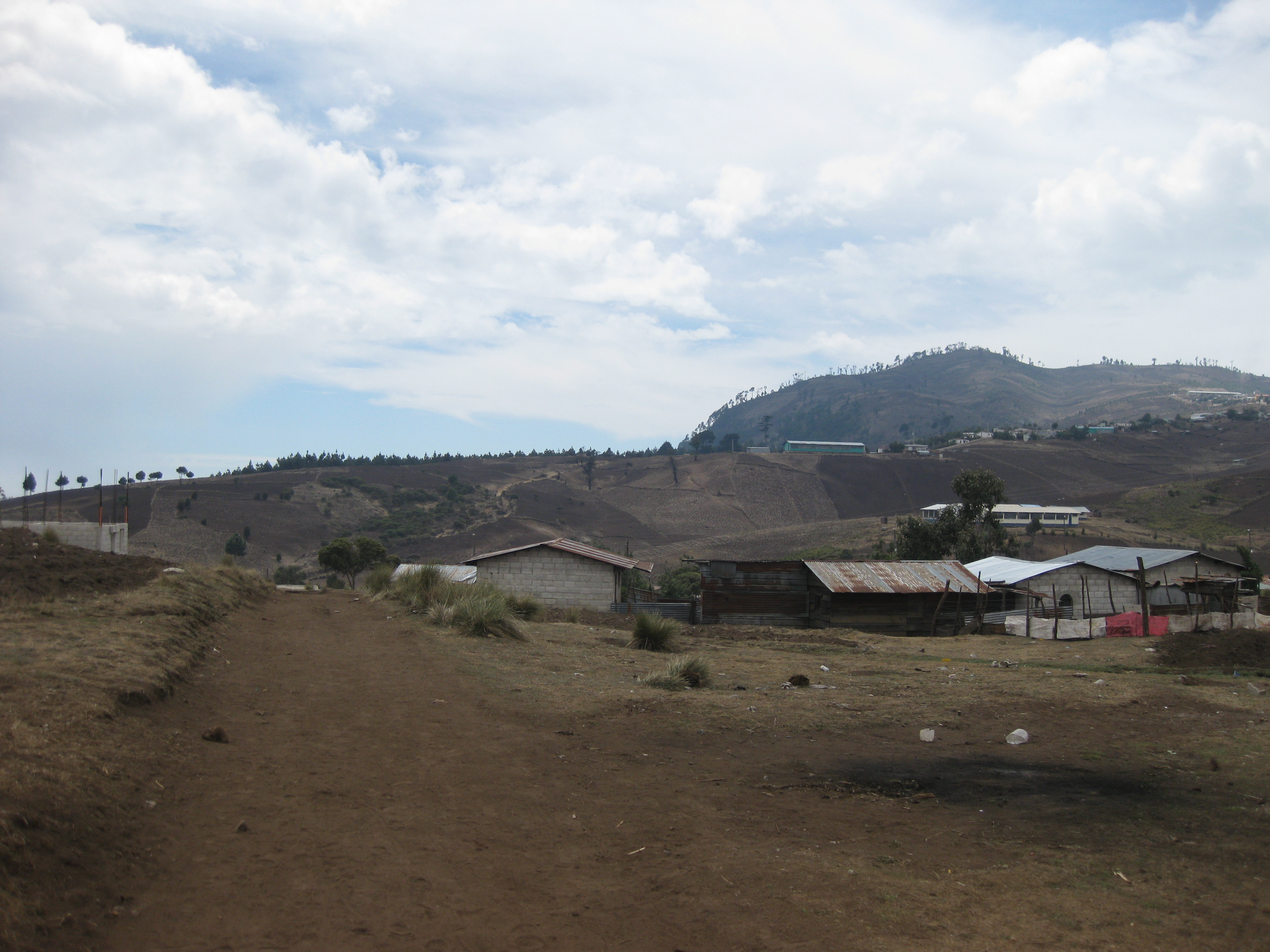
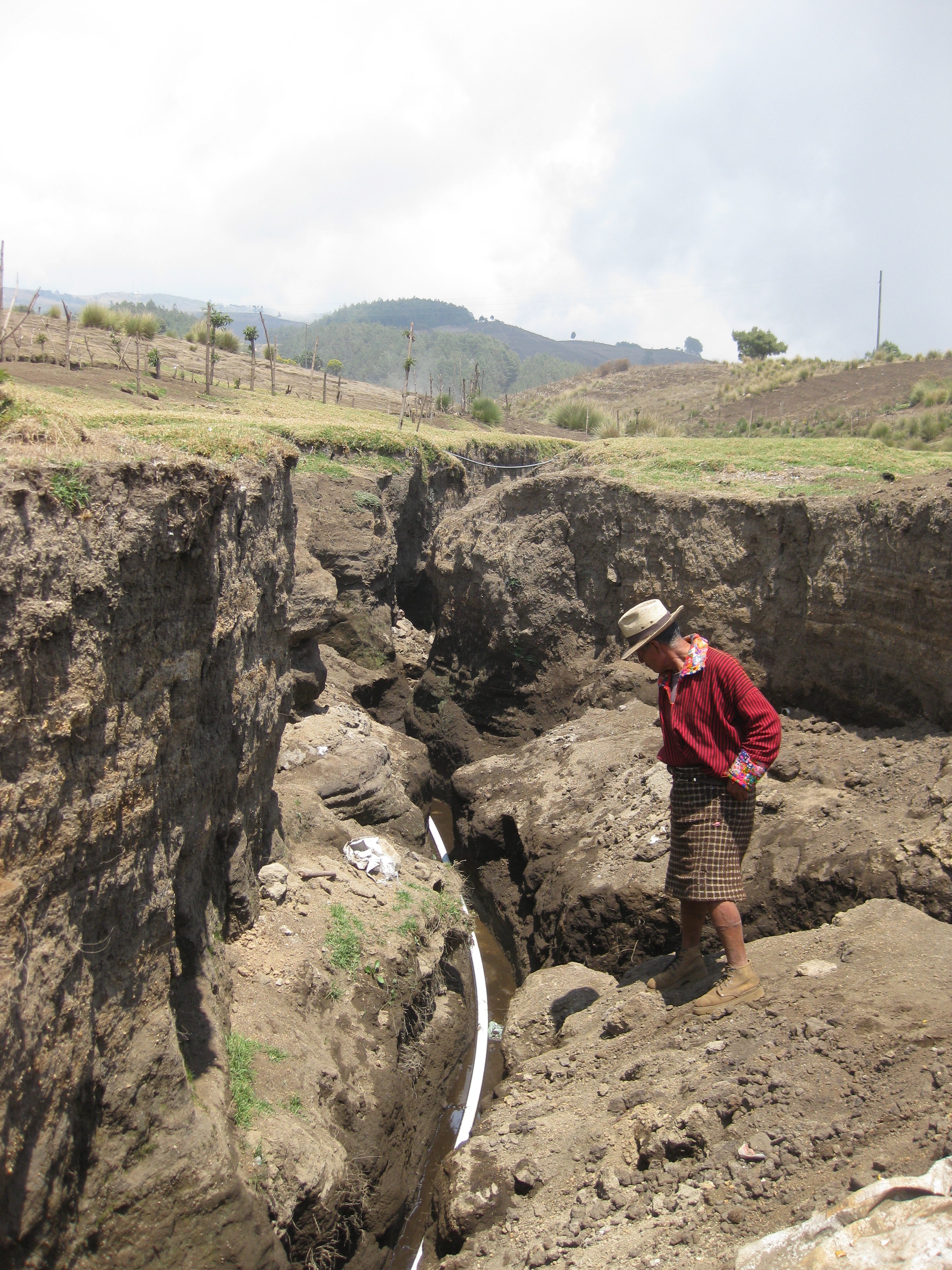
    I walk into Nuevo Xetinimit and approach two women sitting alongside a deep, dusty scar that cuts through the overgrazed and overworked plain. I greet them in one of the few K’iche’ words that I know, saqui’rik. I ask them how they are doing and they respond in K’iche’ accompanied with a hand gesture that says someone is going to come who speaks Spanish.

    The farmers here, as in much of the highlands, scratch out an existence by planting maize, beans and potatoes in marginal soils on steep mountainsides. They hand plant, harvest firewood for cooking and live in simple adobe or block homes. They lead a precarious existence; it is a harsh landscape where there is either too much water or not enough. In the end of October 1998, Hurricane Mitch dropped a years worth of rain that fell nearly horizontal with high winds. The cornfields that provide the year’s sustenance were destroyed by the wind and water. Above Xetinimit the deforested landscape and sloped fields gave way, unleashing a torrent of rock and mud that left dozens of houses destroyed and two lives lost. Central America was left reeling.

    Most of the villagers left to try again elsewhere and Nueva Xetinimit was born. Multiple families shared small houses for years as they tried to get back on their feet, there was nowhere else to go. Several children from this area have have passed through a school for children who would not otherwise have access to education called Escuela de la Calle in Quetzaltenango. Escuela de la Calle and Hogar Abierto are the primary projects that the funds generated by Quetzaltrekkers fund. Quetzaltrekkers maintains close relationships with many of the communities through which trekking trails pass: in Nueva Xetinimit alone guides have joined forces to build a bridge, donate bicycles and provide school supplies.

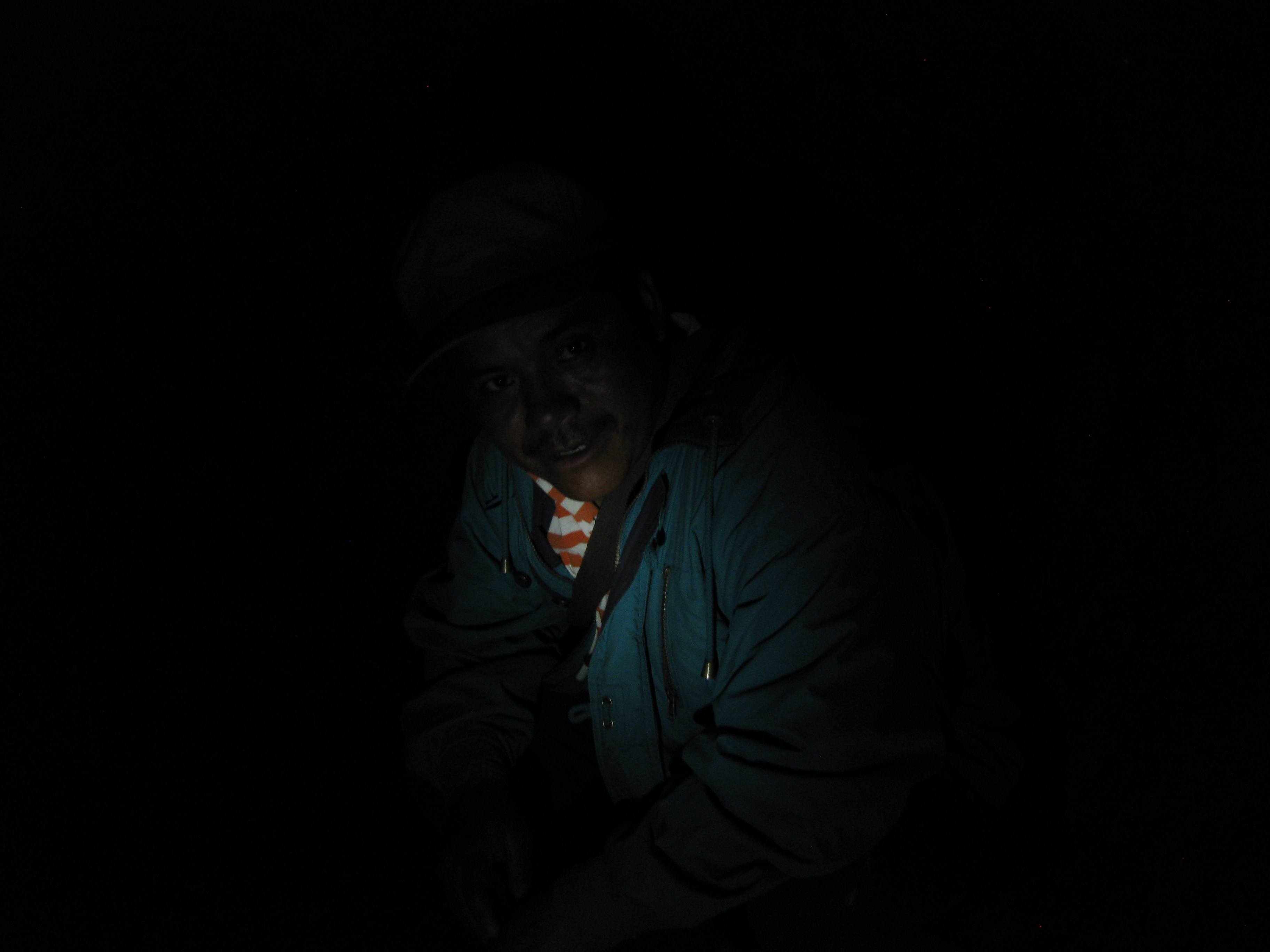
    Manuel Grinning in the Tunnel

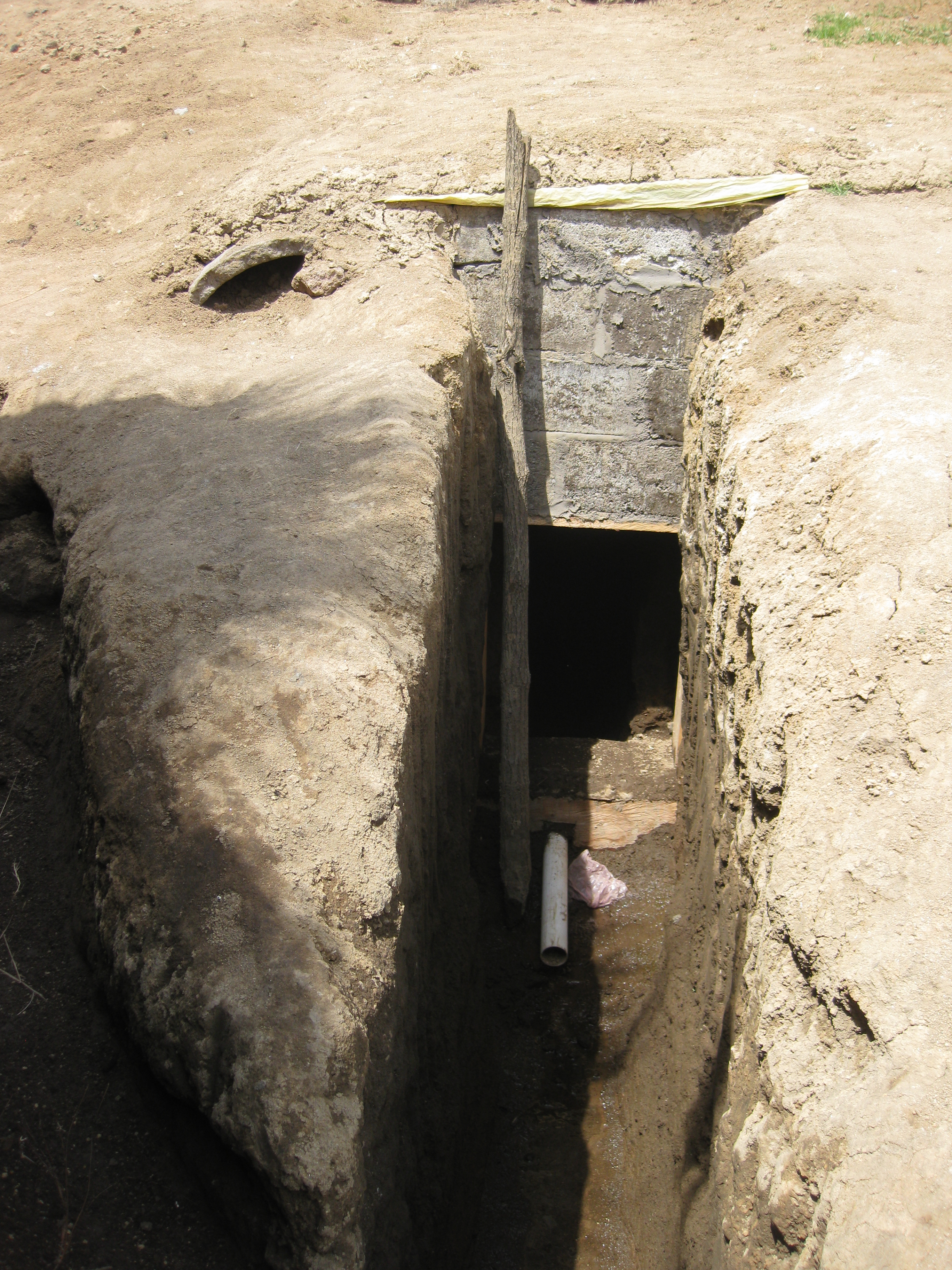
    What am I doing here? The village has spent that past 240 days working collectively to carve tunnels into the hillside in search of potable water. A project they undertook on faith, someone had an intuition that they would find water here. They dug two tunnels between 5-10 meters in length into the hillside, each one 1.5m high by 1m wide, before they found two trickling veins of ground water. Manuel, our liaison with the women’s committee tasked with building the project hands a candle out to me and points towards the tunnel. It feels like an affront to my manliness, I grab the dainty candle and plod my way through the running water, crouching as I move further into the darkness and feel a rising panic as I think about the mass of earth towering over my head. Here, right now? In this tunnel? What if I died? They spent months in this tunnel, it is fine. But everything is fine until it isn’t fine anymore! I am too large! I feel like Alice. I try and balance myself against the ceiling and walls, but worry that this will only weaken the structure. I look and see Manuel’s grin lit by his cellphone at the end of the tunnel. He points to the water as it emerges from nowhere. I awkwardly turn around, quickly moving towards the light. Always move towards the light.

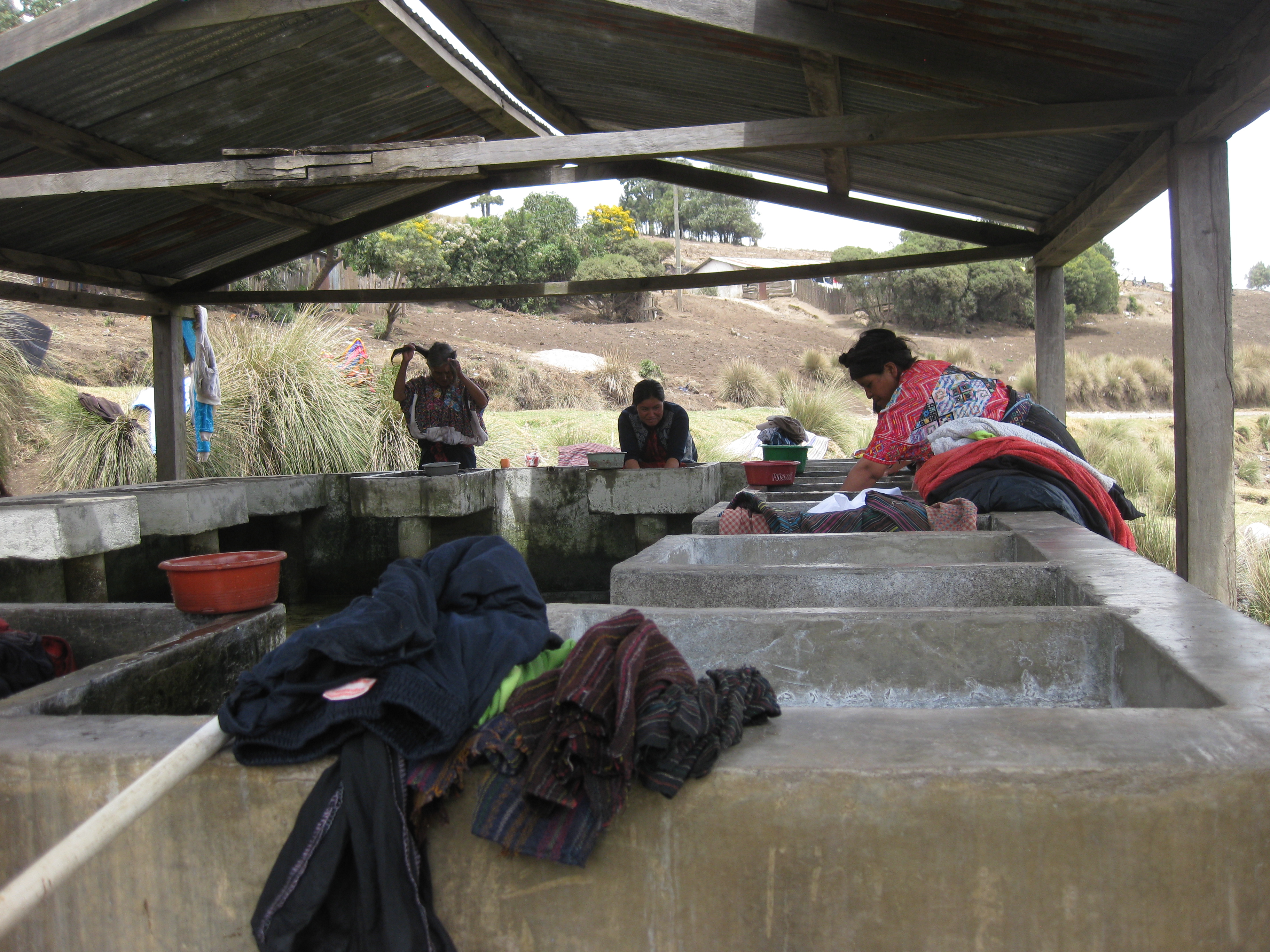
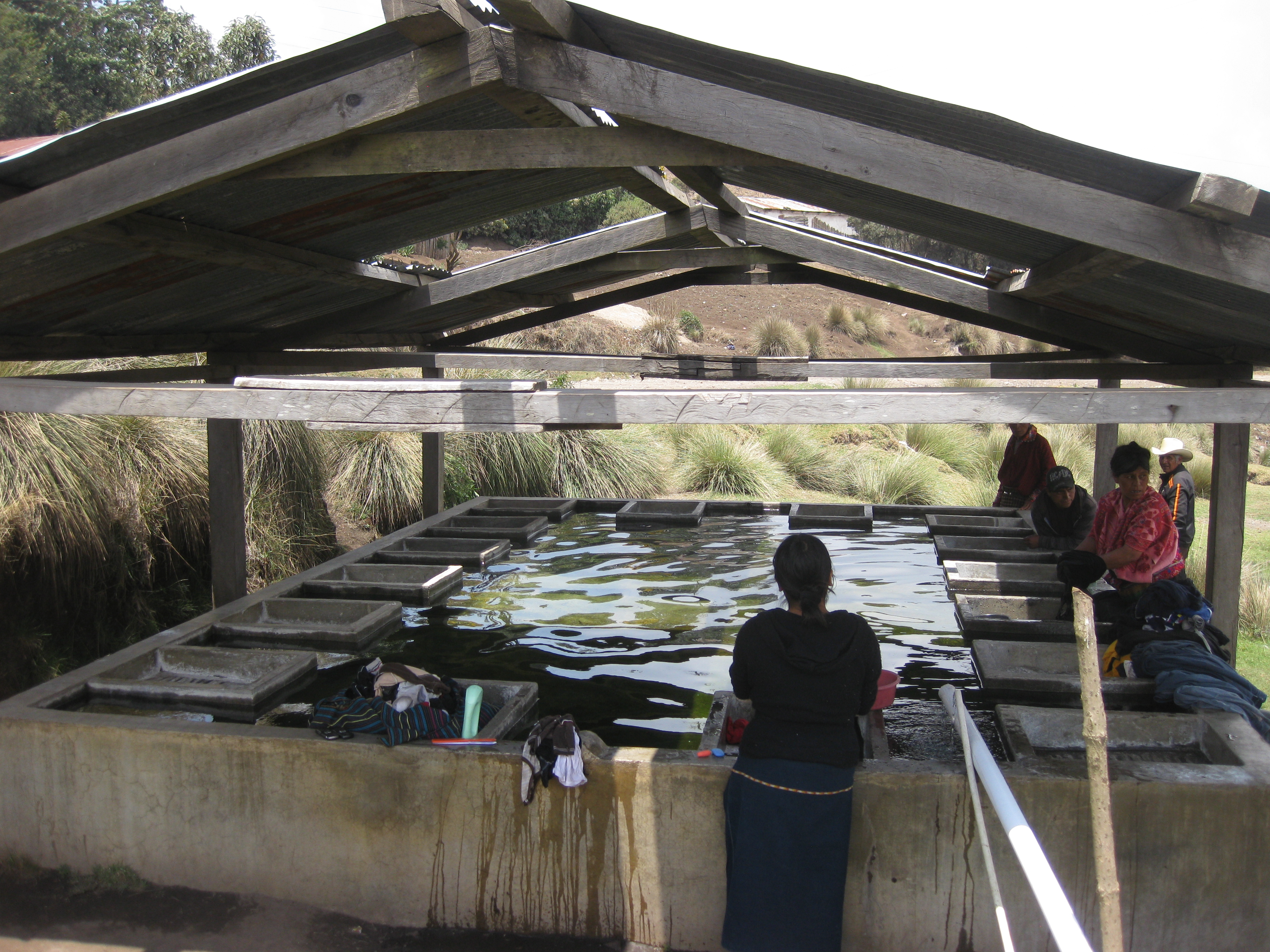
    La Lavadera

    The guides from Quetzaltrekkers have agreed to provide the necessary materials to fortify the water source and carry water to the lavadera below. I am there simply to help facilitate the project. The lavadera is a washing station that currently sits almost empty, but will serve as a source of water for household consumption for several dozen families who currently walk several hundred meters to retrieve water.

    Six women are clustered around the washing station as I approach, soaping, rubbing and rinsing the days wash. I am often cynical about aid from a theoretical perspective, critical about dependency and the inability of aid to achieve lasting results, yet I look on and imagine clear, potable water pouring out of a pipe and the effect that it will have on these women’s lives; it is a beautiful image.

    I run back down to Xecam with a rock in each fist, ready for the cantankerous cur that never appears.

    Victor

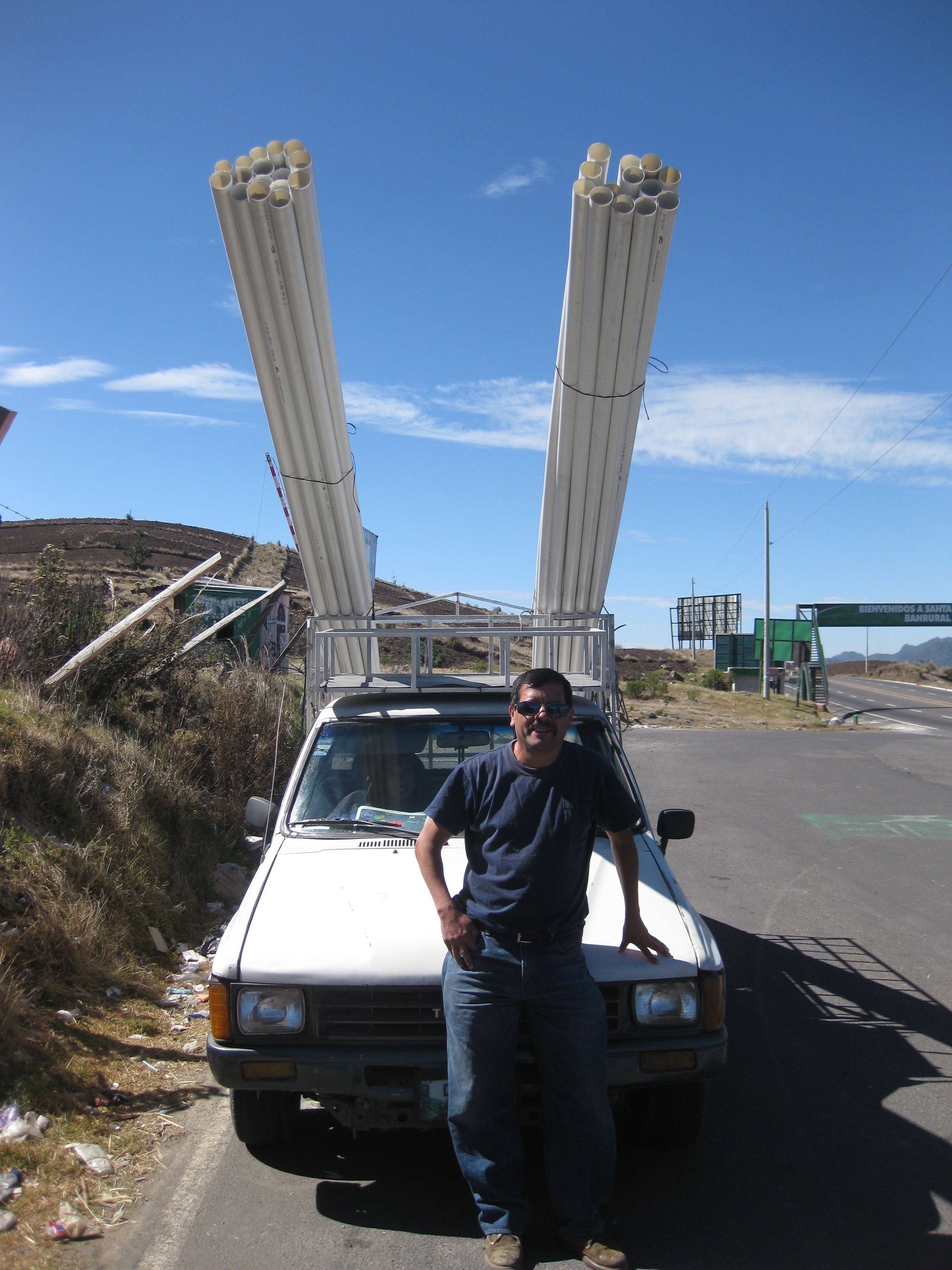
    On a crisp and clear Xela morning I walk out the door of Casa Argentina with Santi, a guide, to find our friend Victor leaning against his pickup truck with a new dapper mustache above an unsmiling mouth and mirrored shades. He says nothing as we approach, until I stick my hand out.

    ‘Les gusta el new look?’ He bursts forth and starts cracking up.

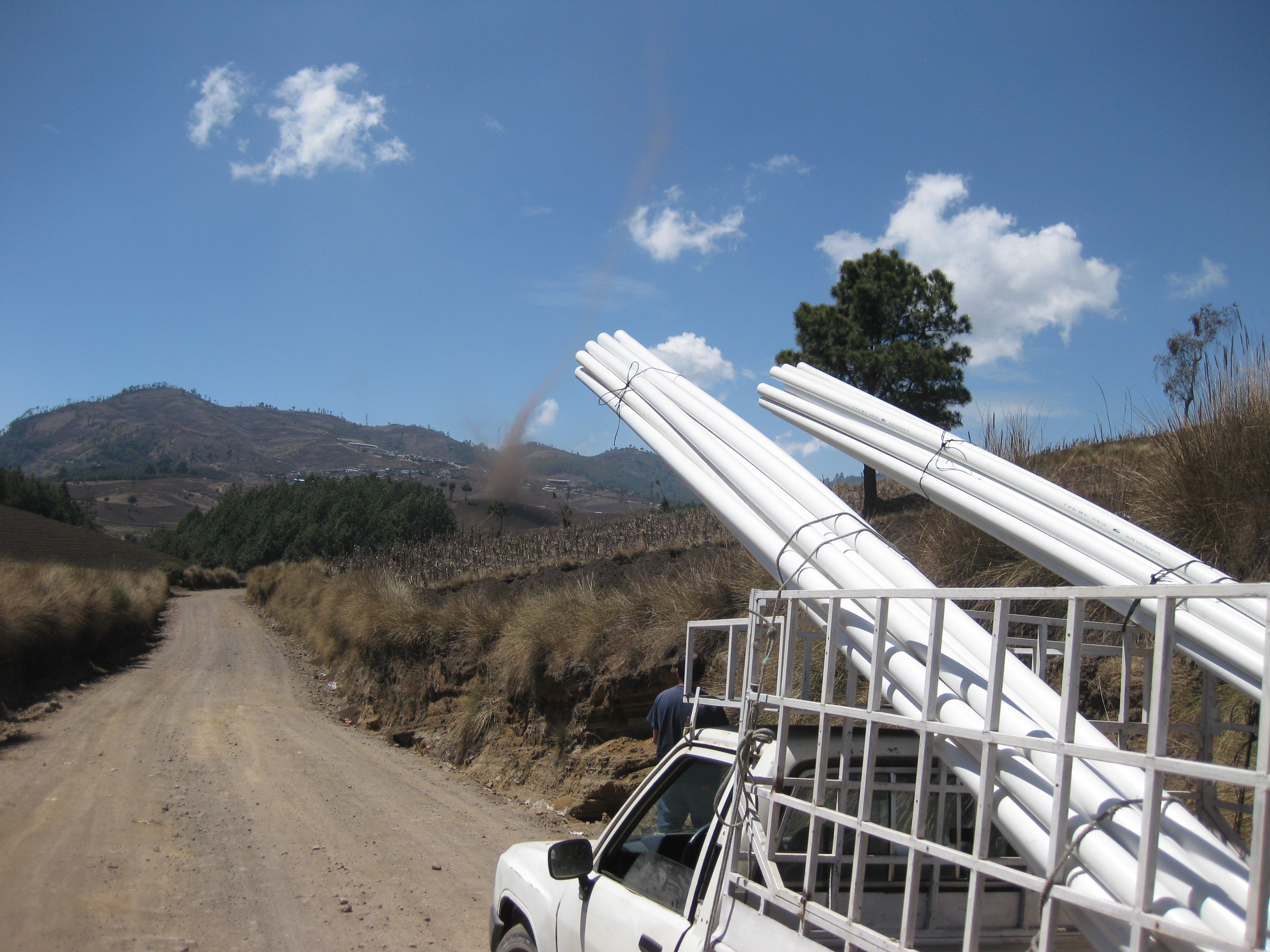
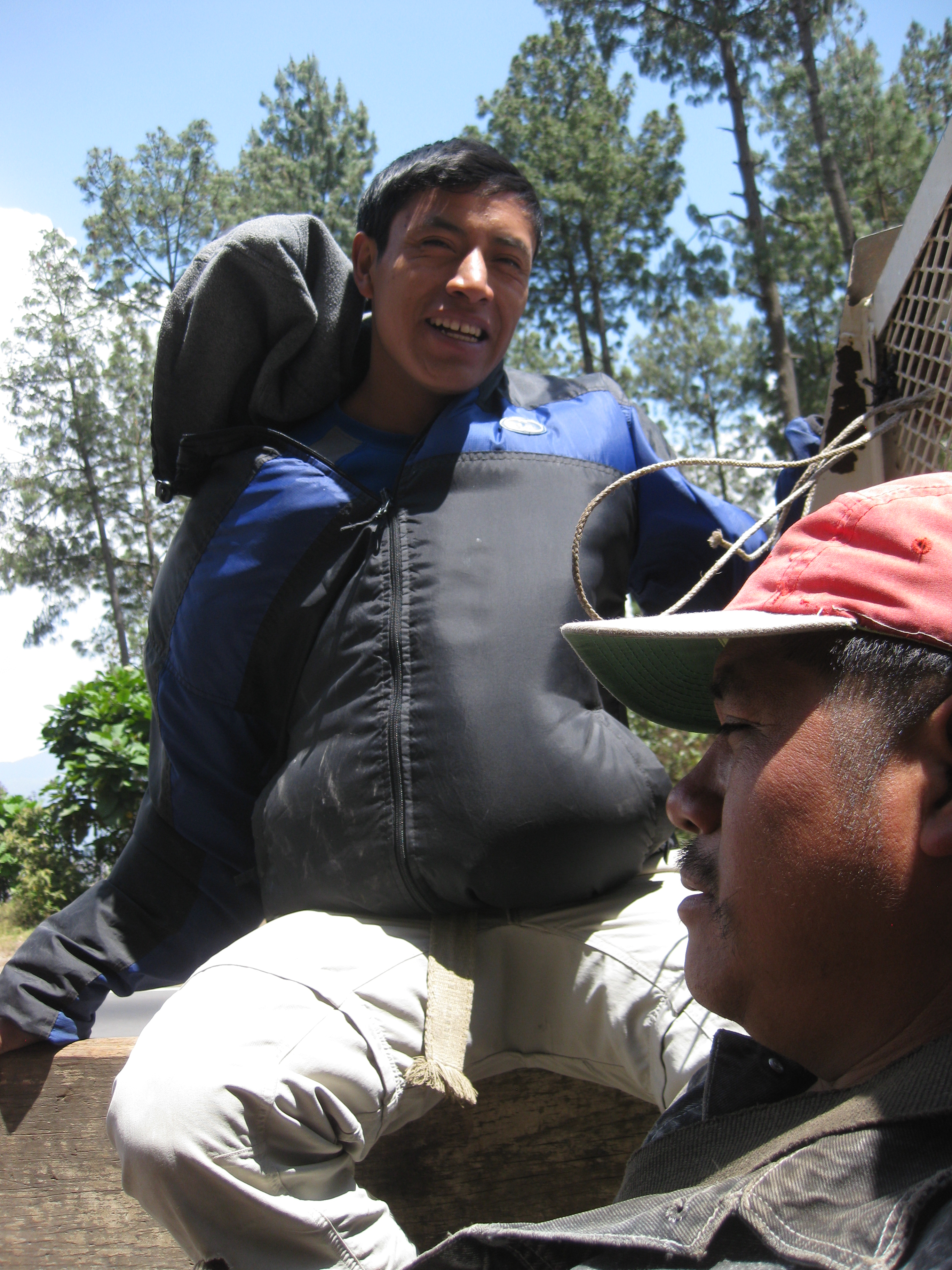
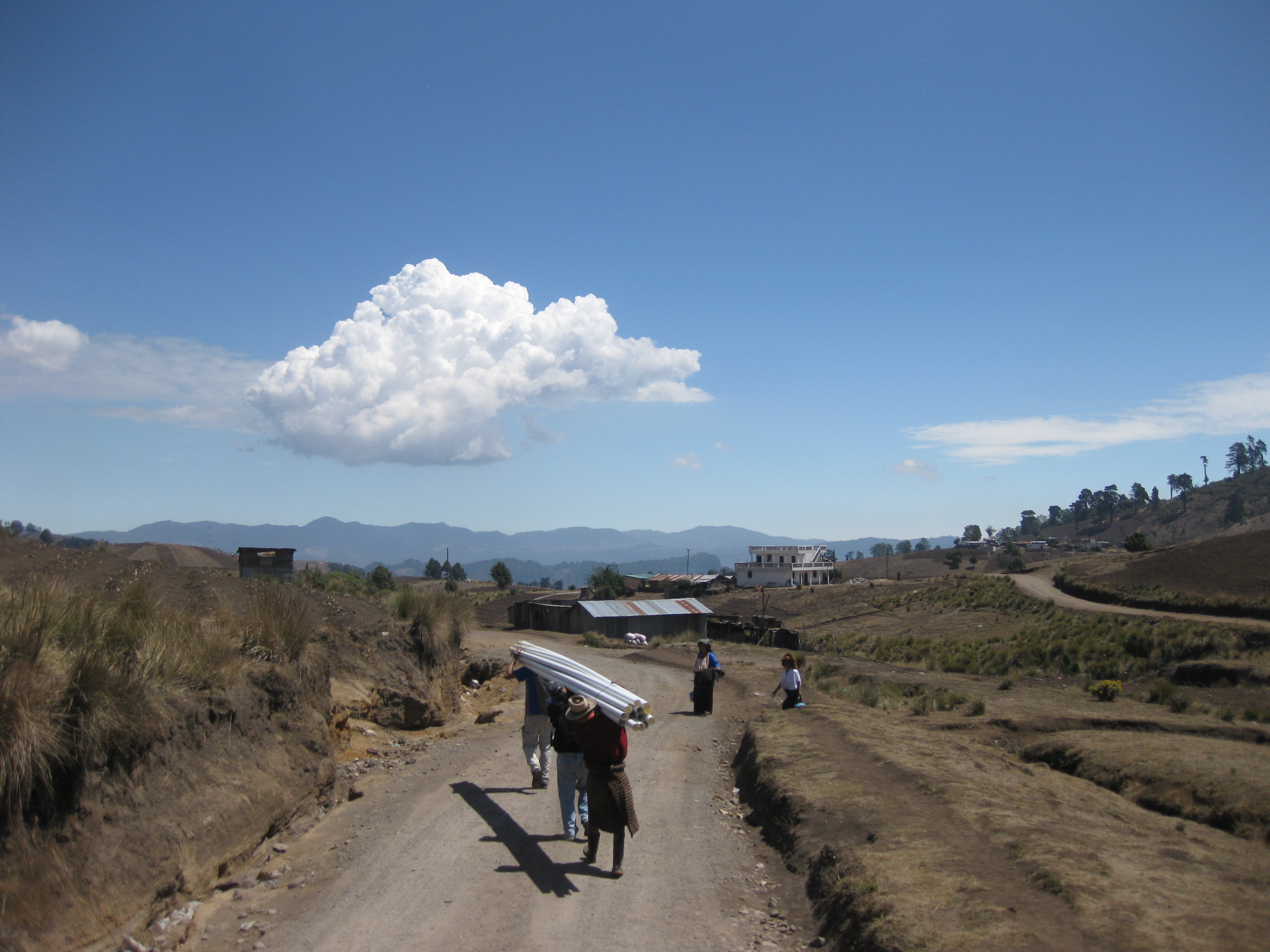
    We pile into the back of his pickup truck and head out to Tubofort. I think about the name Tubofort on the ride there, going back and forth: pipes are definitely sold there, but it isn’t a fort. Fort is also not a word in Spanish. I ultimately decide that the name is great: succinct, yet it has some flair. We wrangle and rope three dozen 6 meter PVC tubes into the back of the truck I sit in the back and watch Xela fade away as we head up to…Alaska?… the strangely named highpoint on the entirety of the Pan-American highway.

    Dust devil sweeps across the landscape as Victor takes a leak.

    Manuel stands on the roadside grinning as we approach. He piles in and we drive into Nueva Santa Catarina Ixtahuacan to buy the rest of the materials. There is also a Santa Catarina Ixtahuacan where most of the locals here used to live; they had the chance to change this name that could only be described as cumbersome and unwieldy,  but kept it and added three more syllables.

    Santi and Manuel

    We arrive in Santa Caterina (the town will be referred to by this name to avoid adding several extra pages to this post) only to be informed from the woman at the hardware store that the estimate she previously gave us was wrong: someone from the city called yesterday and the global price for steel rebar went up. Her gilded teeth wink at me as she explains the unfortunate position in which we find ourselves. I invoke the image of pitiful, dehydrated orphans to no avail.

    We arrange for another pickup and a truck to carry materials. We load them down with cement, blocks and rebar before caravanning along dirt roads towards the project. Through the cloud of dust I look out on the volcanoes around Guatemala City and Lago de Atitlan stacked in the distance, clouds gently rising on their flanks. I only catch glimpses through pines as they blur past. I spend half of the time airborne while trying to hold together the rebar bundles that are coming undone without pinching or crushing my hand. Classic Guatemala.

    I once read about a study by Geert Hofstede on the cultural dimensions of different nations around the world, where Guatemala ranked as the least individualistic country with a mere 6 points relative to the most individualistic country, the United States, with a score of 91 points. This can conversely be interpreted to reflect the degree of cooperation, or collectivist ethic, within a society. I feel this when I am here, it seems to permeate society and I think it may be what keeps bringing me back.

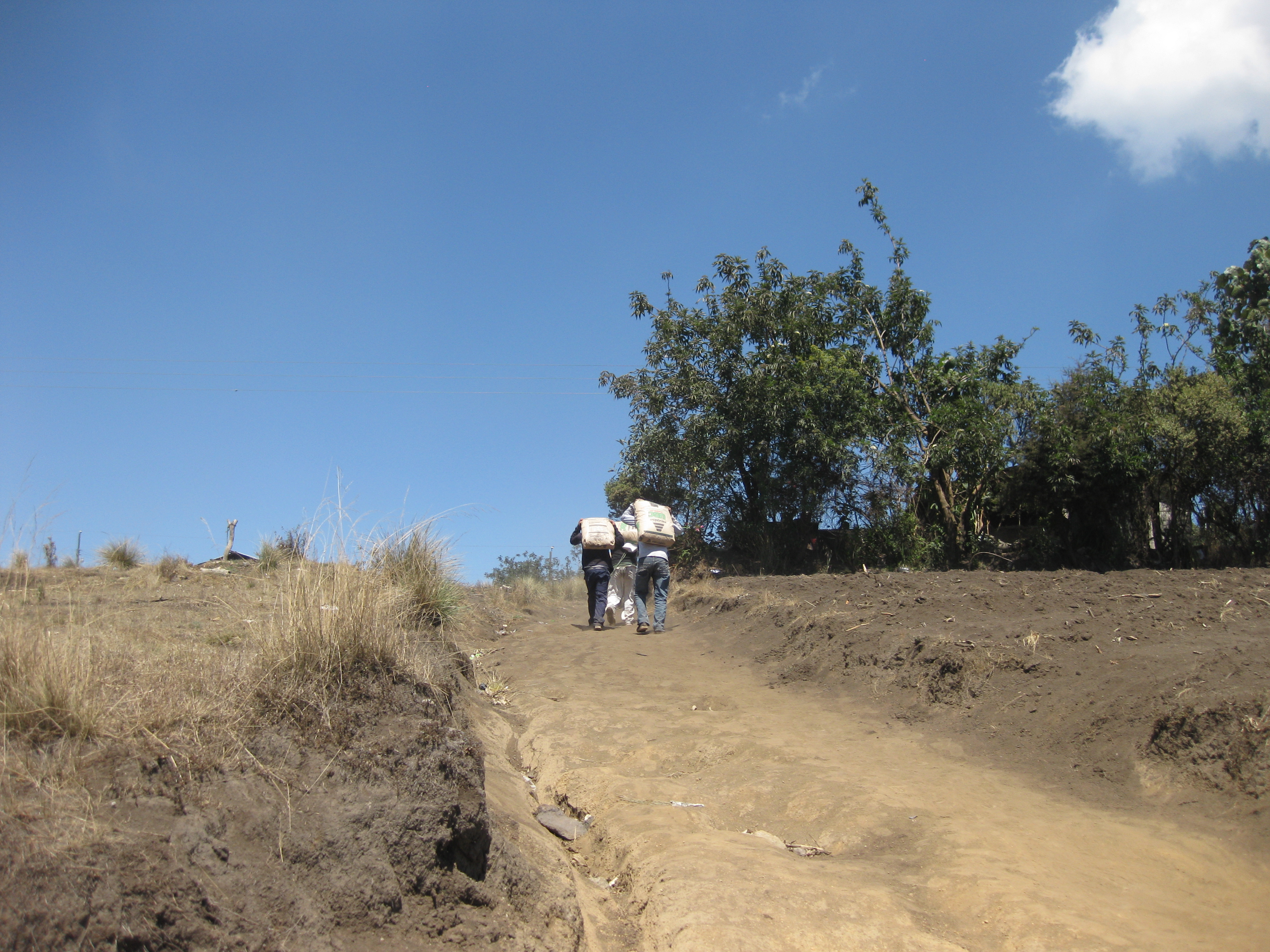
    We arrive with the materials in Nueva Xetinimit and dozens of villagers hop to their feet, ranging from old women to young men with gelled hair. Blocks are stacked on backs, bags of cement are passed from person to person, rebar is carried in pairs, bundles of tubes are snaked up the hillside. Thousands of pounds of materials are unloaded in just a few minutes. The trucks leave and then I begin the descent to Xecam on foot with Santi.

    The Inauguration

    Traditional Male Dress

    I am out working on other projects for a couple of weeks; the only news that I hear from the project is that it was short two sections of PVC pipe, which Santi carried up from Xecam on his back.

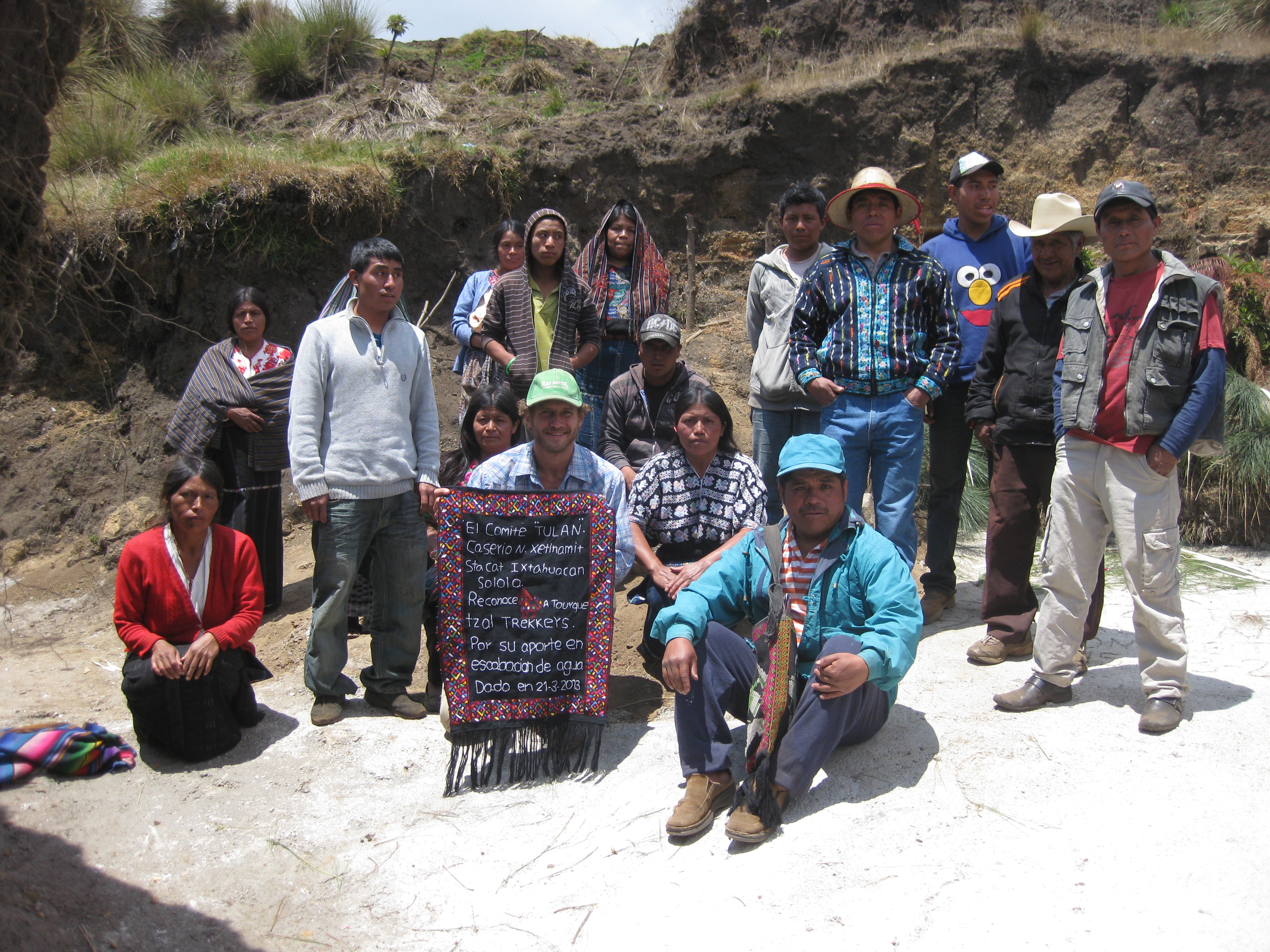
    On a chilly, clear morning, I arrive slightly before the other guides from the organization for the inauguration; old men and women in traditional dress, teenagers in second hand clothes from the United States and little kids wearing a mix of the two lie around in the grass as I approach. We all sit admiring the project with mugs of atole de maiz in our hands. Manuel steps forth to express his gratitude for our collaboration on the project. One member of the women’s committee stands up and says the following in K’iche’, which Manuel translates into Spanish and I transcribe roughly:

    ‘Aqui tenemos la voluntad y estamos bien organizados. Terminamos con el proyecto en pocos días, pero no se pudiera hacerlo sin la ayuda de ustedes. Gracias a dios que hay personas con corazones como los que tienen ustedes.’ ‘Here we have the will and are well organized. We finished the project in just a few days, but it couldn’t have been done without your help. Thank god there are people with hearts like yours.’

    Another woman steps forth and hands me a hand knitted sign thanking the organization to hang in the office. I also receive a diploma to add to my ego wall, once I have a wall that I can call my own and can afford to have it framed. We walk the length of the project and I see the sight I imagined weeks before: clear water gushing forth into the full lavadera. A few women look up and smile as they knead their clothing against the washboards already worn down from just a decade of use.

    Guatemala is incredibly rich, it has taught me much about life. I want to give back and support what I see as right in the world; projects like this show the beautiful side of humanity. It is about coming together and working towards a better future one step at a time. Each step moves more than just a foot. Write that down.

  • Until The Day It Stops

    This scene, this day, has run through my head thousands of times. Over and over again, every action, every moment, trying to understand it all. It is one of those moments that unexpectedly and indelibly changes your life. It fades though, for better and worse, like any other event in one’s life. It seems important to me to write this down, for both personal catharsis and remembrance.

    South towards Cottonwoods, 2011.

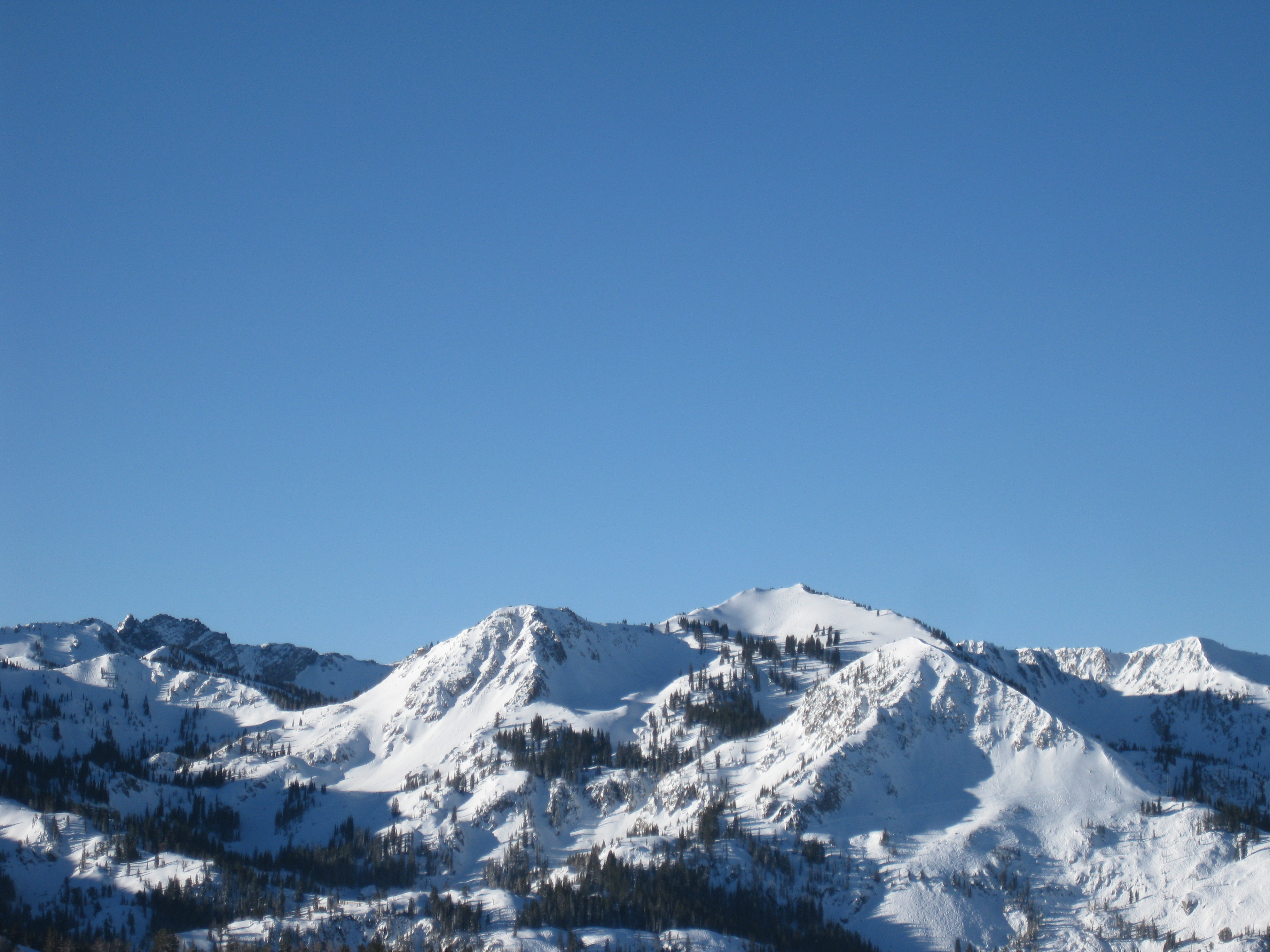
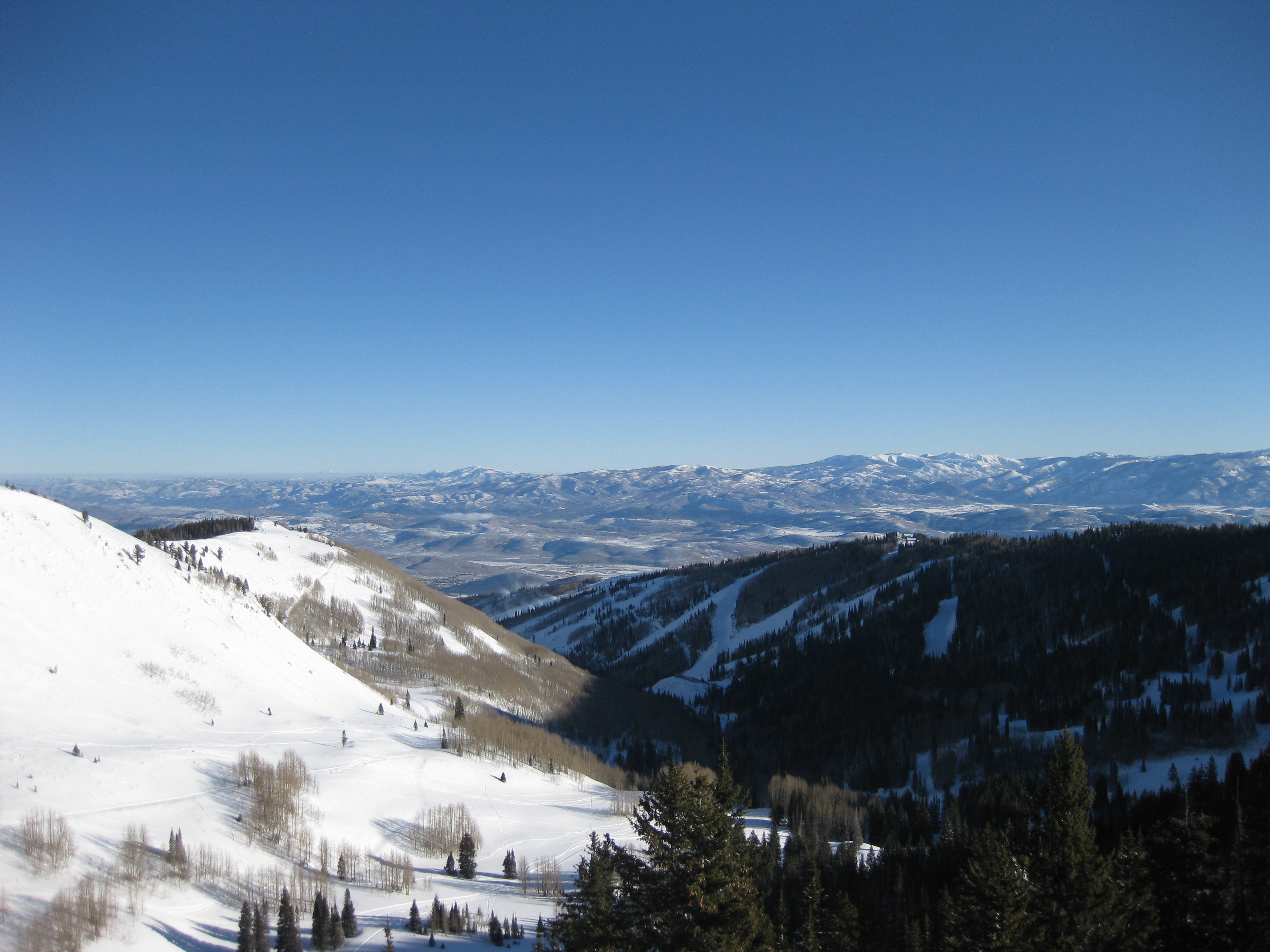
    March in the Wasatch Mountains is invariably perfect; the mountains are either being blanketed in fluffy powder by heavy spring storms or bathing in the spring sunshine. I worked as a ski patroller for several years Park City, Utah and always looked forward to March, a month that arrives like dawn after the gloomy frigid night that is February. Work starts picking up, but everyone’s mind is on summer and the levity of silly season builds.

    I ended up doing this job as a result of a strange series of events, but in hindsight it seems like something that had to happen; how could I not have worked a job that involved throwing dynamite to set off avalanches with the sunrise, getting paid to ski, and helping people under physically challenging conditions? I got an EMT certification in college on a whim and it became the credential that helped me get every job that I had after college for several years as I was unwilling to go into the mundane grind with obeisance.

    Park City, Utah 2011

    The people that I worked with ski patrolling will never be far from my mind, as they were some of the best people I have ever met, especially the team that I worked with for my first year. We maintained a perfect balance between getting our work done safely and efficiently, freezing our faces in grinning rictuses with the fine spray of S-turns made through  untracked champagne powder, barbequing, and witty banter while sipping coffee.

    March 12th, 2010 was a Friday, the end of the work week for my team. The sun broke on a high pressure day with no fresh snow, a cold morning under a deep blue sky. I rode up the chair in the morning to the station where I was working, eying up the overnight grooming job and feeling the sting of the mountain air on my face. The main run descending from our shack had been groomed and glistened in the morning sun; it is a steep straight shot that doglegs to the right near the bottom. From our shack I could look out onto the rest of the Wasatch range, over into the Cottonwood canyons and into Park City itself. There is a ritual each and every day: each day we all arrived at the shack an hour before any customers rode up the chair and dispersed to check our area at face numbing speeds. We followed up with coffee time in the shack, a time of discourse on subjects ranging from relationships, to bicycles, to This American Life, to backcountry skiing, to summer jobs, to who brought what food to cook for the day. This is the most tranquil time of the day.

    We alternated taking laps through our area during the day, but everything had been idyllic all week, no accidents. Spring was in full effect; the restaurant deck was full of people lazing in Adirondack chairs with layers of clothing draped nearby, sipping beers and reveling in the sun. We fired up our barbeque and sat outside our shack maintaining a running commentary regarding every person who stepped off the chair lift as we ate tubular meat products of uncertain origin. Life as a ski patroller is challenging, a blase attitude towards everything is created by the universally acknowledged reality amongst every individual patroller that nobody, including coworkers, is as cool or righteous as you are. There is nowhere to go from here; it can paralyze you unless you arduously keep this insidious attitude at bay, as relationships with other human beings become nearly impossible. After eating and ruminating deeply on this concept,  I decided to take a few laps with another patroller named Mike R. before we finished out the day.

    Wasatch Mountains, Utah 2011

    We were hiking up a nearby ridge discussing where we should drop into the trees for a session of combat skiing, a form of ski destroying, sadistic skiing under bad conditions that becomes a weird fetish for anyone required to ski under any and all conditions. I let my skis hang over the edge, ready to drop in when a call came in over the radio from a patroller, Mike T., notifying us that he had just witnessed an accident on a nearby run. The call seemed routine and there were a few other people who were in position to second respond to the call, but we decided nonetheless to wait and see what resources were needed before dropping off the ridge.

    A moment later a panic tinged call came in for every resource that we had available, except for a defibrillator. Mike R., and I chattered our skis down the irregular and hard ridge as quickly as possible. I arrived at the shack first, in perfect time to grab some of the equipment that the other patrollers were unloading out of the shack and begin descending. My heart was already pounding; something was very wrong.

    I took the fast groomed run down from our shack as quick as I possibly could while carrying a backboard and a trauma pack; I fought to maintain control as the backboard jerked me from side to side as it caught wind with each turn. I was worried that I would overshoot the spot where the accident was, as it was called run left, in the trees. There was no missing it though; I saw a few people standing on the side of the run, popped off my skis and launched down into the trees where a young man looked up at me with blank eyes, copious amounts of blood staining his face and the snow around him. He had lost control near the start of the dogleg and collided with a tree. EMT training is about teaching you routine, as you need the ingrained steps to be able to approach a situation like this. Mike T. and I haltingly ran through a rapid, adrenaline spiking assessment; there was something resembling breath, a very faint wheezing and a weak, virtually nonexistent pulse. He had severe blunt force trauma to his head and chest. I remember thinking that this can’t be happening, this isn’t happening. I remained surprisingly calm in a detached way, watching myself go through the motions.

    We called in a code red; patrol’s signal for anyone in respiratory or cardiac distress. We began CPR. Claire, someone who was accustomed to situations like this, had arrived with a defibrillator, quickly followed by Mike R. and Randy with a toboggan. Claire took charge of the situation and everyone quickly integrated themselves, continuing CPR, as I fumbled with the defibrillator. With shaking hands I attached the electrodes of the defibrillator, which mechanically announced in a neutral voice ‘No shock advised.’ I futilely pressed the little button with a lightning bolt several more times. It all seemed like it was happening slowly and through a lens smeared with Vaseline.

    We alternated giving CPR, breath and compressions; I looked down into the pale face of someone who looked just like me, my same age, before giving each breathe, felt the laterally unequal response from his ribs with each compression, only pausing when  surprised by the quick arrival of the helicopter. Amidst much yelling and exertion, postholed up to our hips, the five of us lifted him onto a backboard – he was incredibly heavy in a way that seems inexplicable – and out of the tree well. We loaded him into a toboggan with Claire kneeling over him continuing CPR. I frantically dug the toes of my boots in, running alongside and giving Mike R. an unnecessary push downslope towards the helicopter and more advanced care.

    Then it was completely quiet. I looked around for the first time and immediately realized that the group gathered was his ski buddies. I shifted my gaze down to the snow, I didn’t say anything, couldn’t say anything, in the end nobody did.  Randy, Mike T. and I started picking up all of the equipment that was scattered about, aimlessly moving it from place to place in transfixed shock. I looked at my hands, my fingers wore ripped rubber gloves coated in blood, they seemed suddenly frozen with cold. I became needlessly preoccupied with the loss of my work gloves, aimlessly searching, ultimately to no avail. We slowly skied down the run without saying anything; as if we wouldn’t have to deal with what lay at the bottom if the run never ended.

    We came across the helicopter in the middle of a run and looked on momentarily as the flight medic and nurse worked diligently, using last ditch efforts as a few patrollers assisted. It set in at that moment; I took off my skis, turned my back, and began walking up the run towards the chairlift, to get back to the shack and finish the menial tasks that mark the end of each day; there was nothing else left to do. I seemed to be in some sort of postictal state; everything seemed surreal and obscenely lit by the afternoon sun.

    Randy, Mike and I rode the chair back to the shack together. I looked over at them and then tears ran down my face for the rest of the ride up. I began shivering, the cold cutting to my core. It began, the unrest, the replaying, the constant oscillation between many different thoughts; trying to grasp it all; trying to convince myself that I, that we, had done the best we could; pitying him, me, us all; images painfully bursting forth, provoking unrest.  For a long time I just wanted it all to stop, but it comes from somewhere deep, like the tears, somewhere so deep that it isn’t controllable; it just washes over, completely taking over.

    Death is there like the sun, taken for granted, ignored, but occasionally we become aware,  forced to acknowledge its blinding brightness, its ubiquity; in these moments it passes through the temporal, transparent pettiness that characterizes our lives, to illuminate more profound, substantive truths about existence. It transmutes our perception as we watch its light suffuse everything that abounds. It is what defines life; it is the very fountain of beauty and love.

    When we cry about death it seems to be equally about those who remain as those who were lost; none of us truly understand it. There might be something to learn from it though.

    Until the day it stops.

  • Suffused With Silence

    2009 Lost Coast California

    I started down a path many years ago of trying to understand my mind, a need that arose out of necessity. I was mired in the past, in the future, in desire, in aversion, in uncertainty, analyzing, dreading, wallowing, churning, drifting, dreaming; all of this genuinely impeded my ability to lead a good life, to find peace and genuine happiness. My consciousness appears to need a constant stream or feed by its very nature, something that either comes from within or without. For years I ran from my mind into distraction through substances, through entertainment, through quite frankly anything that could occupy my consciousness, permitted me a momentary modicum of freedom. This type of escapism begins a misery generating cycle of its very own, one of never ending craving and aversion.

    It seemed to be an axiom from looking at the world around me that this is the way our minds work; that this is existence. I was living my life groping through a labyrinth after phantasmagorical carrots, until one day it all suddenly appeared Sisyphean and unbearable.

    On this day a strange journey akin to unraveling or slow dissolution began; it was not clear in the moment, but something broke in my mind. The initial question, the very moment in which something ruptured, sent dendritic and incisive questions echoing through my mind; questions that could no longer be contained, the opening of a Pandora’s box. In this moment I began palpate the labyrinth of my own mind for the first time.

    My own journey into the depths of my mind is exactly that; there is only a vague outline that can be conveyed through intellectual understanding, but I am going to write about a recent foray into my mind nonetheless.

    There are many avenues to explore the mind; altered states of consciousness and meditation seem to be the most incisive. There are many different conceptions of what mediation is, it may or may not involve the following: hovering; extreme suffering; abhorrent boredom; flowing robes; removal of all body hair; lighting oneself on fire; mental dissociation to the point of a dronelike existence; mindless acceptance of precepts delivered through a hierarchical structure, such as a cult; enlightenment to the true relation between mind and matter, permitting oneself to live a liberated existence; robe soiling ecstasy; indulgent Western self importance; dissolution of spaciotemporality and a consequent renunciation of all that is material leading to one living in a cave with unacknowledged colonies of spiders breeding in one’s arm pits.

    I remember the first time that I tried meditating seven years ago after delving into beat literature for the first time: I sat on the floor allowing my mind to range freely from small preoccupations such as looming assignments, an argument I had with my girlfriend, my lack of money before spiraling quickly into uncertainty regarding what I wanted to do with my life. My pulse quickened, my stomach knotted and sweat prickled my forehead before I arose with a panicked start, running away. Always running to the next thing.

    2009 Lost Coast, California

    There came a day when I was committed to a job and a life; I had to find peace within these confines. I had learned more about meditation, about the mind, in the years following my initial foray into idle sitting. I decided to start meditating seriously, to start a daily practice after reading a book entitled Full Catastrophe Living by Dr. Jon Kabat-Zinn written about the Stress Reduction Clinic and the Center for Mindfulness in Medicine, Health Care, and Society at the University of Massachusetts Medical School. There is a completely nonsecular field within traditional Western medicine, called Mindfulness Based Stress Reduction, a treatment used for terminal illness, chronic pain, addictions, anxiety, depression, hypertension, stress, psoriasis… many ailments that affect humans have been treated and seen positive results with MBSR. The approach is similarly practicable for anyone interested in living a better life, to anyone who would like to be more mindful of each moment, which should be anyone and everyone.

    The difficulties that I encountered previously were still extant, yet I began countenancing them for 45 minutes a day, regardless of what my life circumstances were, which often meant getting up as early as 3:30AM to sit in the cold, darkness. I was faithful with this practice for four months before it faltered with some job/life changes. My mind changed though; my stress evaporated; I found myself experiencing everything more richly; my food tasted better; I saw beauty where there was nothing before; I found myself living calmly and tranquilly; I found myself watching my mind in wonder rather than pursuing the same objects or sensations, a process that had become perceptibly futile.

    2009 Lost Coast, California

    Often times I have turned back towards meditation as a way to swim out past the breakers and look back at the agitated ebb and flow of my mind and my life, no longer unconsciously caught in the tumult. I found myself seemingly riding away from my life last November towards something uncertain. In the months before the trip I was looking forward to the idea of spending eight hours a day on my bicycle with my thoughts. The reality of meditation, whether on a bike or sitting on the floor, is that it isn’t always pleasant. Every memory, every possible future contingency, every relationship, every desire, every aversion arose over the four months I was riding. Everything disintegrated, again. I launched off in another direction.

    2009 Sam McDonald County Park, California

    I found myself in Guatemala perpetually ill from parasites, with a demanding job, a new relationship, dwindling money, and an uncertain future. A familiar darkness was assiduously creeping in from the sides, slowly blotting out the brightness of each day. I watched myself searchingly flailing. As I was riding through Mexico I met several people who had taken a ten day silent Vipassana meditation course, it sat there lingering in the back of my mind. I started my meditation practice again this summer and decided to register for one of the courses in Oaxaca de Juarez, Mexico.

    Vipassana International operates on a donation only basis teaching the meditation technique used by Gautama Buddha through meditation centers and courses organized around the world. Attendees of the course are required to refrain from any form of communication amongst themselves, but are able to question the assistant teacher regarding the technique or the volunteer coordinators regarding health issues or issues with the facility. Attendees are asked to forsake all religious practices, of any form, for the duration of the course. Attendees are required to stay within the confines of the facility. No electronics, books, or writing implements are permitted. The course is divided by gender. Ultimately, one is asked to accept five basic precepts and to work diligently within teachings of the technique for the duration of the course.

    1. To abstain from killing any living creature.
    2. To abstain from stealing.
    3. To abstain from sexual misconduct.
    4. To abstain from false speech.
    5. To abstain from intoxicants.

    The technique is simple in a sense, but complicated as it not something one can learn or appreciate through discourse; it requires work. The intensive nature of the course – 10 hours a day of pure meditation for ten days – is required to demonstrate the veracity of the teachings on a personal, experiential basis. The course, in its best light, merely offers guidance as one goes through a personal, yet surprisingly universal, experience of self exploration.

    The schedule:

    4:00am – Wake up call.
    4:30-6:30am – Solo meditation in hall or residence.
    6:30am – Breakfast
    8:00-9:00am – Group meditation in hall.
    9:15-11:00am – Solo meditation in hall or residence.
    11:00am-1:00pm – Lunch and rest.
    1:00-2:30pm – Solo meditation in hall or residence.
    2:30-3:30pm – Group meditation in hall.
    3:30-5:00pm – Solo meditation in hall or residence.
    5:00-6:00pm – Tea and rest.
    6:00-7:00pm – Group meditation in hall.
    7:00-8:00pm – Discourse on technique and Buddhist philosophy.
    8:15-9:00pm – Group meditation in hall or residence.

    The first three days are spent working with Anapanasati meditation, a form of breathing focused meditation used to prepare oneself for work within the Vipassana technique for the rest of the course. Both forms of meditation are essentially the cultivating mindfulness, of impartial, concentrated self observation.

    I looked forward to the course with nervous anticipation, seemingly preoccupied with the challenges that would arise to my current life, realizations that could disrupt the precarious balance of my life or the lancing of a heretofore latent misery that would begin suppurating…or something.

    We arrived at the convent where we would be imprisoned for the next ten days with roughly 100 strangers. I talked briefly met a few people before silence descended. The rest of this is a weird collection of jumbled observations and experiences from my addled mind.

    Day 1

    Cataract Canyon, Utah 2012

    The gong rings and I step out into a frigid and lightless desert morning. I feel like a boxer ready for a fight; this is a mistake. We have a 7m by 10m courtyard where we can walk, I pace under the star speckled sky before retiring into the meditation hall. The day passes in struggle as I try to maintain a rigid posture in half lotus with the piece of me that is asking why I am doing this, doubting whether I can, constantly redirecting my attention to my back and legs that burn ardently, and striving to quell the uprising of thousands of thoughts relating to life.

    Here the illusion of cohesive, flowing thought is apparent; for me it is a meaningless wallowing. There is no catharsis, no one directing, a shifting and muddled stream. I am deeply focused one second, shaking and sweating as I focus on the breath passing through my nostrils, and then a throbbing pain in my back grabs my attention and then a thought arises regarding a problem that I have at work which forks into questions about my future, which catalyzes questions about my relationship, which makes me wish I could talk to Lauren, which makes me realize these are going to be ten long days….My consciousness is easily diverted by this wayward thought that morphs into another and another. I feel my breathing quicken, the sweat run down my skin, my blood pressure rising, my stomach tightening. I bring focus back to my breathing assiduously as soon as I realize it has been lost, which sometimes takes a minute and becomes more difficult as the physical agitation seems to build and remain.

    Day 2

    2009 Wild Cat Ridge, Wasatch Mountains, Utah

    I stretch constantly each time I leave meditation. I pace in the courtyard wondering when or if the pain will abate. I fight through several sessions, waiting in quiet desperation for the gong to ring before sprawling out on the floor in release. I am aware that the very craving, the desire for the pain to cease is exponentially increasing my suffering. Minutes seem to endure for hours; time appears to be completely nebulous.

    There is one man who has bronchitis and coughs incessantly without covering his mouth; he is a challenge to my equanimity and meditation in many ways.

    Day 3

    The pain, although I have realized that the very notion of calling it pain is part of the problem, is more manageable. I am learning how to objectively view it and not let it drive my thoughts.

    I lay out in the courtyard in the afternoon, feeling the sun on my face. I focus on the sensation and it grows; it becomes stronger with each passing second until it almost overwhelms me. It feels like my face is on fire, I realize that the sun is on fire, it is on fire right now and then I get the urge to remind everyone by running around screaming ‘THE SUN IS ON FIRE!’ I lie on the ground chortling, imagining that everyone would completely lose their meditative state and equanimity, the retreat devolving into sheer chaos as everyone ran frantically screaming in panicked horror at the realization of the true nature of the sun. The afternoon is characterized by levity, everything suddenly becomes funny. I stop fighting and ruminating.

    Day 4

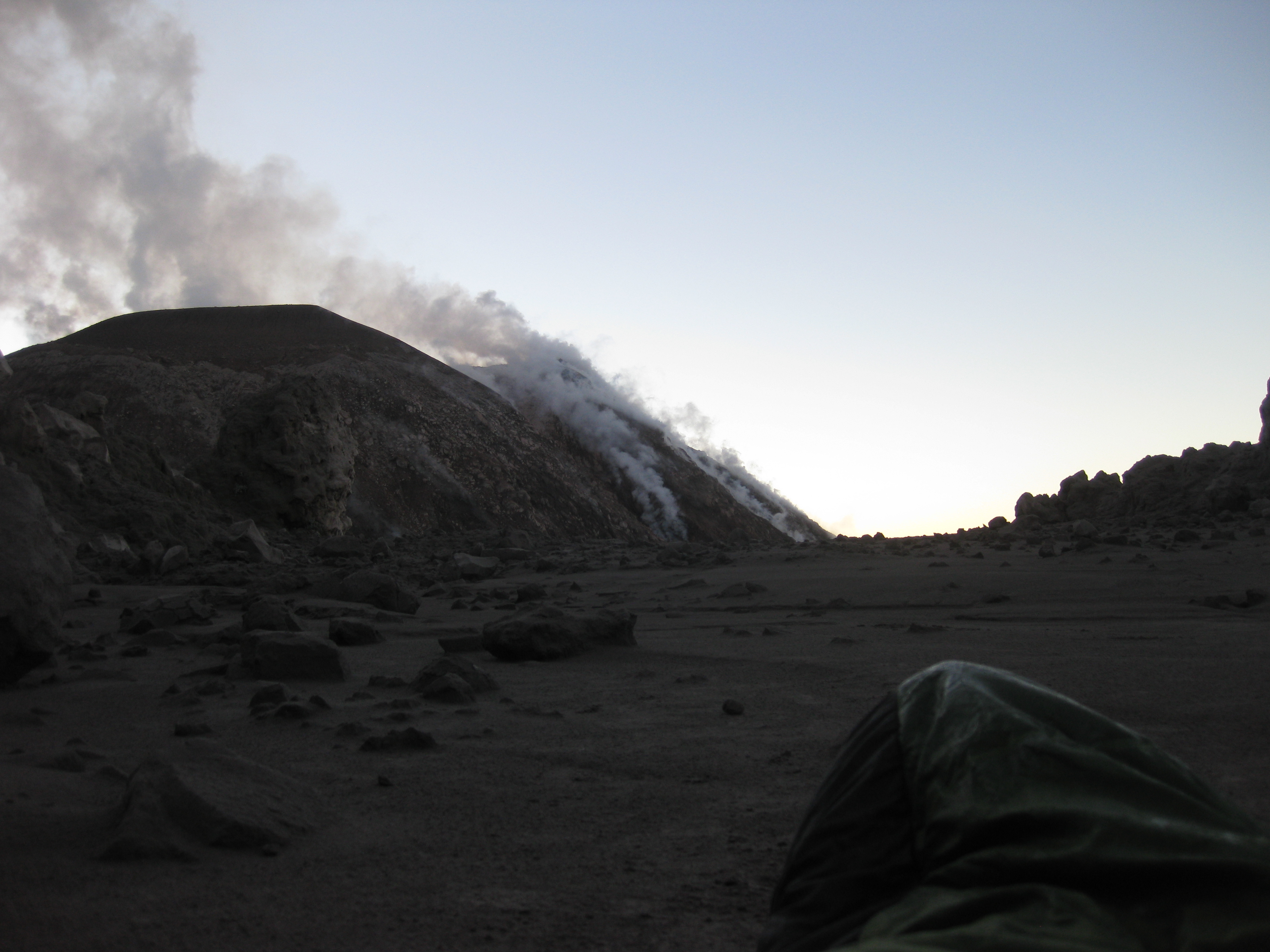
    2013 Volcan Santiaguito, Guatemala

    Vipassana meditation is introduced. The technique consists of learning how to objectively observe all of the sensations that the body is continually generating in every area where there are nerves. The theory: all thoughts are catalyzed by sensations, often times they never even enter into our consciousness as such rather only as thoughts generated as a byproduct. Our mind’s very nature is to react to these sensations, to characterize them as positive or negative. This process leads to the creation of cravings for positive sensations and aversions to negative sensations, our minds try to hold on to these sensations. The most fundamental law of matter is that it changes and therefore every sensation inevitably arises and disappears. Craving and aversion towards something constantly in flux leads to suffering. Through Vipassana meditation one can observe this process and begin to break this cycle through impartially observing sensations and the world around us in the proper light of change; to let it all arise and pass away.

    I lose my concentration for a long time in the afternoon as I intentionally fart as loudly as I can and then childishly laugh about it.

    Day 5

    The morning passes pleasantly, the pain completely disappears for half an hour or so and is replaced by a feeling of flowing energy throughout my body. I feel an immediate release as I understand this as some sort of breakthrough. In the afternoon I painfully realize just how perceptive the concept of craving and aversion really is, as the pain returns with the next sitting. I become preoccupied with it, my attention being pulled to the strong sensation. It gains strength and I am quickly mired in aversion to the pain and in frustration that the pleasant sensations of before have gone. The hours drag on.

    I suddenly see myself in the midst of this process. I take a deep breath and then the following dialogue happens in my head:

    ‘This pain feels like it is eating away at my soul, eating away at me. Maybe I should take a break.’

    ‘That is just the ego speaking, the pain doesn’t really exist, it isn’t going to hurt you. It will arise and pass, let the ego get whipped for a bit.’

    ‘Listen to you talking to yourself you fucking idiot!’

    Then I sat with a blank mind wondering where all of this comes from. You, me, I, ego, who, what? Where does this come from? Is there something cohesive behind all of this? I worry that I have begun a spiral into some sort of madness only previously experienced with drugs.

    Day 6

    2009 Sam McDonald County Park, California

    I work diligently. I pace in the courtyard in between meditation sessions thinking about the ego, the ego that drives me, this conception of Alex, this delusion of a cohesive person. I sum up meditation in my mind in the following way:

    ‘Meditation is you fighting with yourself until one of you gets tired.’

    My mind now easily remains concentrated for longer periods of time; it is losing its reactionary nature. I no longer wince in Pavlovian response to the ring of the gong. My breathing remains steady; I sweat less; there is no more shaking.

    Day 7

    My practice continues to deepen, time easily slipping away along with the dominion of the pain in my back. As this state reigns, memories freely rise from my childhood that have not surfaced in over a decade, from previous relationships, from friends and family lost, from the recessed folds of the mind. There is a slight melancholy with all of this as I feel like it all slipped away without me every appreciating it, without me ever knowing, and I can never have it back. Ultimately, I realize that I want to live more mindfully, more aware, more present with what I currently have in my life as there is nothing more.

    In the afternoon I am sitting and a mosquito passes my ear. I observe the following passing: I hear the sound of the mosquito passing my ear, which causes my muscles to tighten and my breath to sharpen, which gives rise to a negative thought regarding the mosquito, which derails my focus and simultaneously gives rise to other negative thoughts. I calmly return to my breath and then the sensations in my body.

    Day 8

    2013 Eggs in a Bowl, Xela, Guatemala

    I am sitting in the early morning meditation session, sitting in deep concentration. I am accustomed to feeling subtle sensations all over my body and this is generally what I experience. I am scanning up and down my body trying to feel sensation in every part. Suddenly I am observing myself rocking side to side, my entire body moving. Woah, what does this mean? Is this some sort of profound moment? Am I reaching enlightenment? Am I now a god? My attention shifts to the ground below me that is rocking, moving back and forth. I hear a distant siren wailing. EARTHQUAKE! I realize that everyone is silently running out of the meditation hall and I do the same. It is important to react to some sensations. This was the first earthquake that I have ever felt in my life, although I have been present for hundreds.

    As I lay in bed at night a beautiful particolored moth flies into the room and I watch its circles spiral in around the fluorescent light bulb dangling from the ceiling in the middle of the room. It frantically flies in circles around this singularity, careening into the bulb, likely injuring itself. Moths use what is called transverse orientation, which is using a bright fixed celestial object as a point of navigation. There essentially were no artificial lights until recently and their terrestrial location means that moths that are circling them perceive themselves as flying in a straight line. They are unable to see that they are flying in circles as they are inherently trapped within the confines of their perception. There is a profound concept here. I turn out the light.

    I wake a few hours later and the moth is beating its wings against the window above my head. I gently catch it in my hat and then release it out of the window.

    Day 9

    Each person will see a direct correlation between the effort that they put in and the progress that they make with the technique. I dedicate myself to working purposefully, earnestly for the entire day. My concentration builds throughout the day; I do not stop meditating when I take breaks; my mind is undiffused, fixated. I walk outside after one sitting and find myself staring unwaveringly at the wall until the gong rings again. I feel subtle sensations rippling through my body, there is no more pain. I still have constant proprioception and body awareness. I pass hours feeling them flowing up and down before moving onto sensations that are passing internally. I feel air passing through my trachea and into my lungs. I feel movement in my bowels, methane pushing through my serpentine guts. I feel behind my eyeball. I feel my inner ear cavity. I feel my heart beating and each pulse of blood drumming on my finger tips, on my cranium. I feel strange sensations throughout the inside of my body.

    Then the form to my body gradually disappears. I pass through my legs, my torso, my arms, and ultimately my head and they only exist as subtle sensation without form. I no longer have any awareness of the position of my limbs, of any sort of separation from the matter that surrounds me. There exists only some sort of indescribable faint sensation with no location. I am aware of this process as it unfolds, but it is not something that evaporates with this awareness. My mind is pure awareness; I sit with a blank mind for an indeterminate amount of time until the phrase ‘surgir y desaparecer’ begins repeating in my mind, appear and disappear. The gong rings.

    I perceive all of my possible lives. Not specific jobs, or wives, or houses, or places, rather where I will end up if I let myself be dominated by greed, by drugs, by lust, by fear, by hate. I see where these motives, if decisions are made over and over again with them in mind, will lead me; it is nothing but misery. I have a hard time sleeping.

    Day 10

    The pain returns faintly in the morning and I lose my strict adherence to the technique. I play with the sensations in my body and visualize the chopping of my body into small pieces or the amputation of limbs, sensations from these areas disappears as I do this. It is strange and amusing.

    After breakfast we will break the silence, something that I anticipate will not make much of a difference. I imagine everyone slowly coming back to life, some process of gradual reentry. Instead, the compound erupts with conversation and laughter the moment that we finish. I hear myself talking and it is loud, it vibrates and echoes in my ears.

    We discuss our experiences, our reasons for being there, what we have learned. I have never discussed my feelings before with a group of 40 year old men.

    Summation

    2013 Sierra Mixe, Oaxaca, Mexico

    This is my life. This is my insane mind.

    We have nothing but the actually moment that is passing; the past is exactly what it is and the future will soon be as well. This is not a trite expression exhorting Dionysian dissolution; it is quite the opposite. I am earnestly expressing an idea that I have circled around like a moth around a lightbulb for years. It could be artificial light, but it seems real to me. Through cultivation of moment to moment awareness, one can be aware of all that is passing within one’s body, everything exterior, and how this relates to the past/present in order to mindfully make decisions that enrich the series of moments and sensations that our minds artificially string together into a cohesive narrative that we call our life. We can learn to live in and appreciate the present, which is ultimately all that we have.

    Our moment to moment decisions are the footsteps determining the direction of the path that we walk, the one upon which we look back and project into the future. Wisdom is being aware of how these decisions are made and being able to perceive where they will ultimately carry us.

    I emphatically believe in meditation, travel, education, conversation, essentially in challenging oneself and one’s values continually, as a means to cultivate mindfulness, nonjudgement, renunciation, and acceptance in our daily lives. The exercise of these virtues is taught by most philosophies and religions as they are recognized as a means free ourselves from the suffering created by an existence in a material world that is morally neutral, in constant flux, and ostensibly devoid of purpose. In each of our lives we currently embody these ideals to varying degrees.

    I would recommend a Vipassana course to anyone who is interested in meditation or living a better life, but I feel the need to attach several asterisks. Vipassana teaches a universal concept, but situates it in context that, despite all of the proclamations to the contrary, is dogmatic and secular. The most damaging dogmatic concept is that one can only reach ‘enlightenment’ or ‘freedom’ through strict adherence and practice of the principles of Vipassana. There is the presentation of many Buddhist concepts as truisms that are wholly incompatible with other religions, despite claims to the contrary. In one sentence the founder of Vipassana International will rail against ritual or rites, but will staunchly adhere to esoteric and culturally relative concepts such as never pointing the bottoms of your feet towards the place where your teacher sits, regardless of whether the person is there at that moment. There is chanting in Pali, a dead and therefore inaccessible language for the layman, at the beginning and end of every group meditation session; chanting to which the majority of the people chant ‘sadhu’ three times in blind obedience and acceptance. It is no longer presented as something universal in this form; there is absolutely no reason that the teachings cannot be completely abstracted from Buddhism and religion in general. Approach it with an open mind; take what you like and throw away the rest.

    Start learning about yourself, about your mind, about humanity, about existence. As far as meditation and the mind goes, accept nothing that cannot be self realized. The only reason to mediate is that it will improve your life, if this is not the case, then don’t do it.