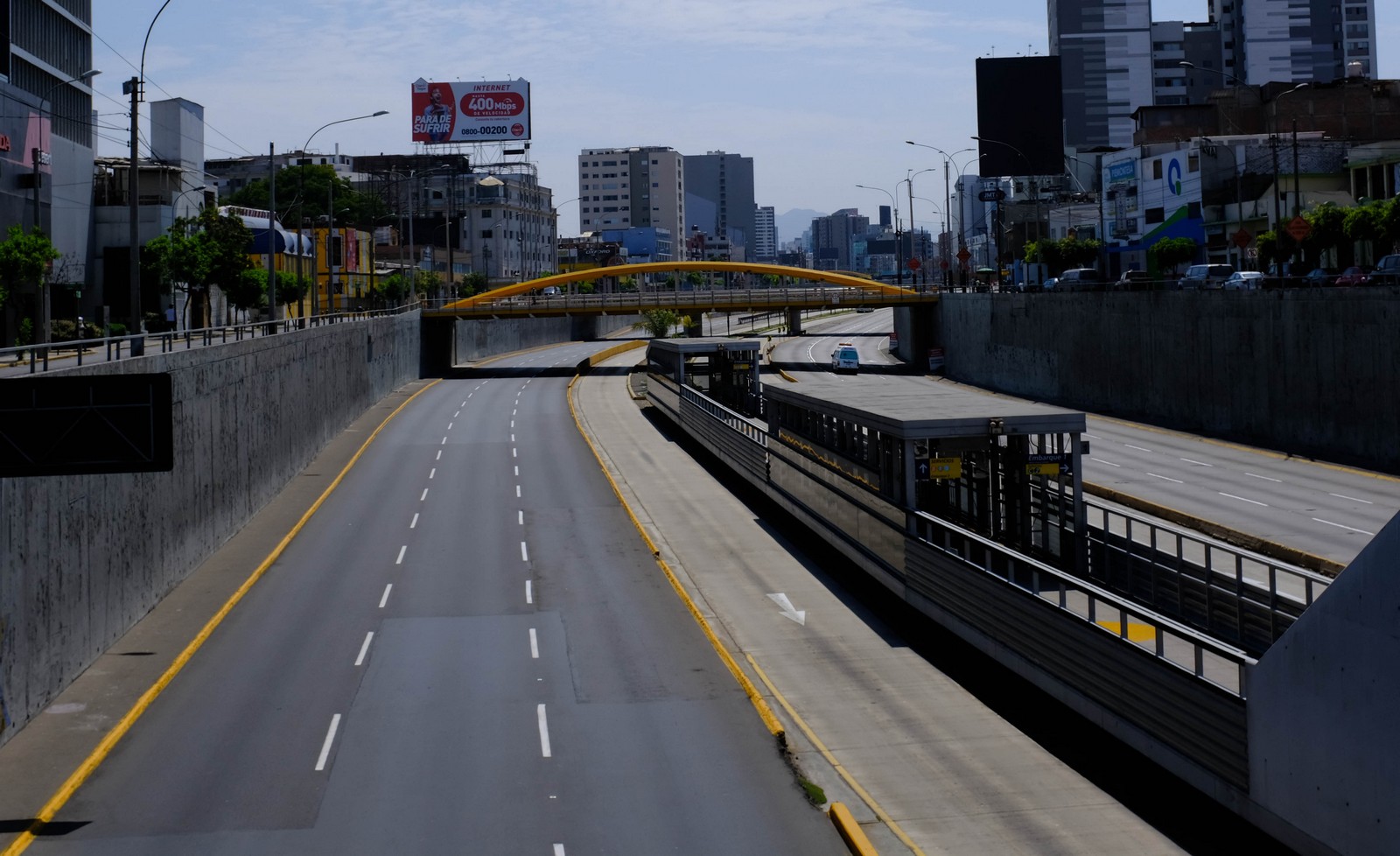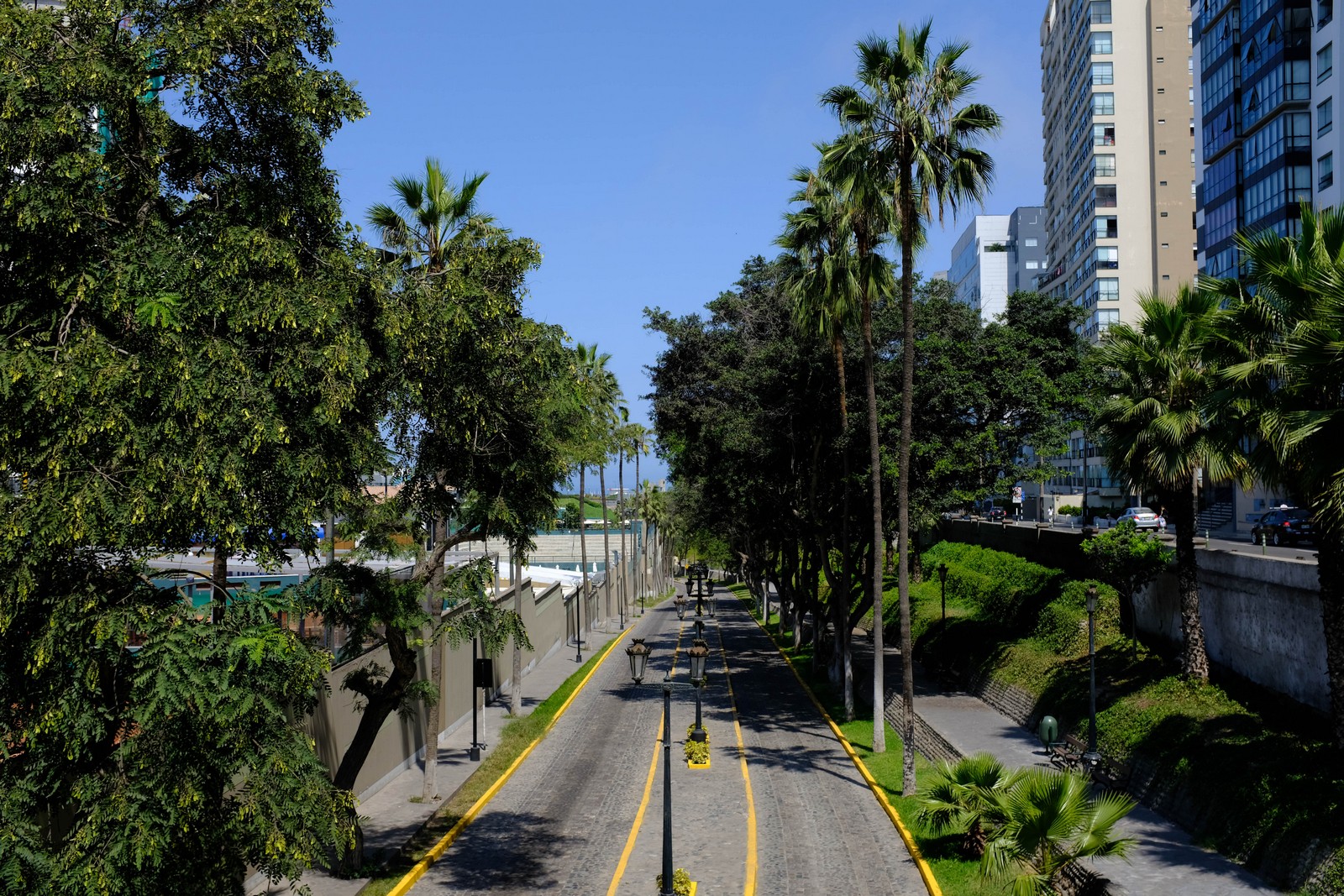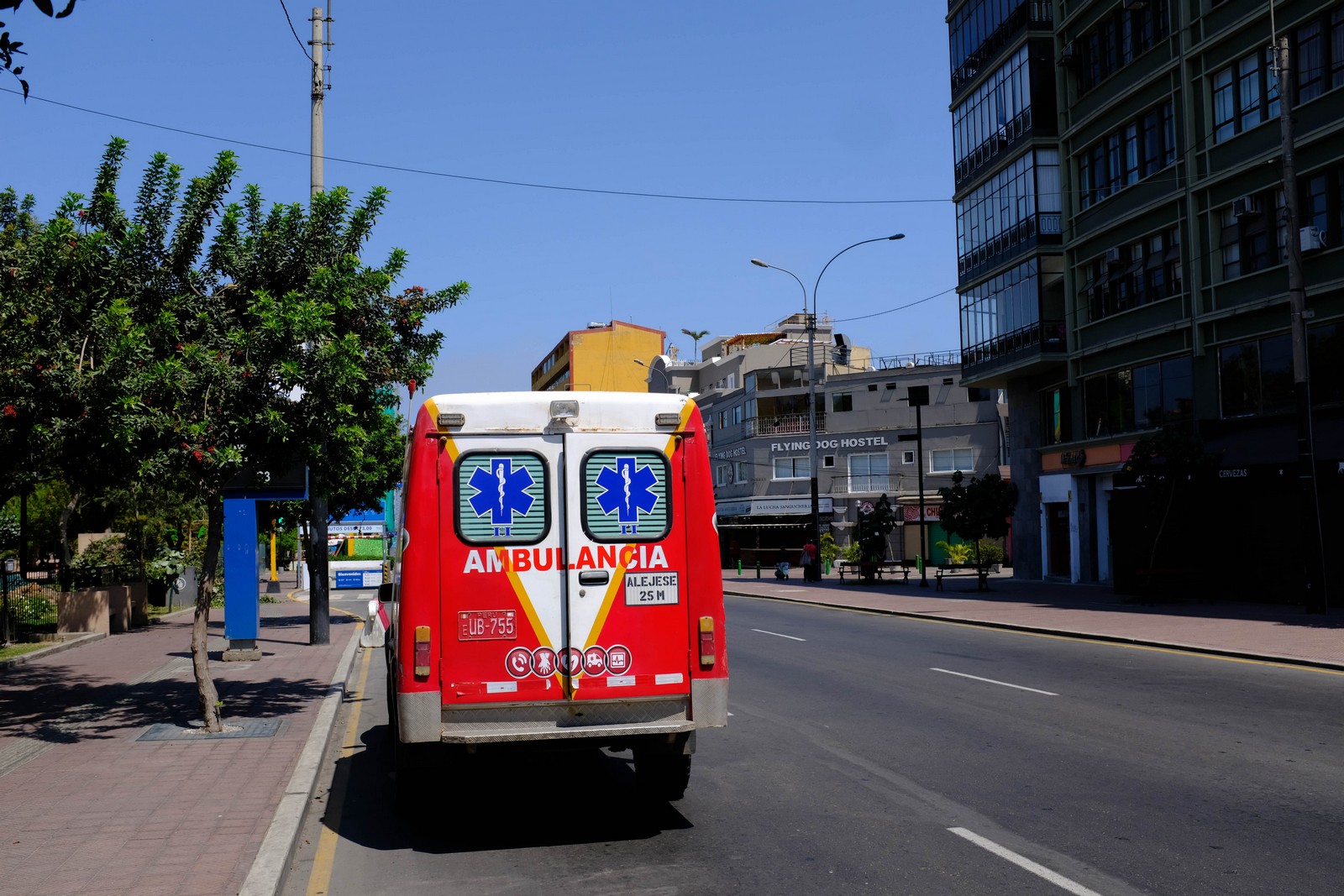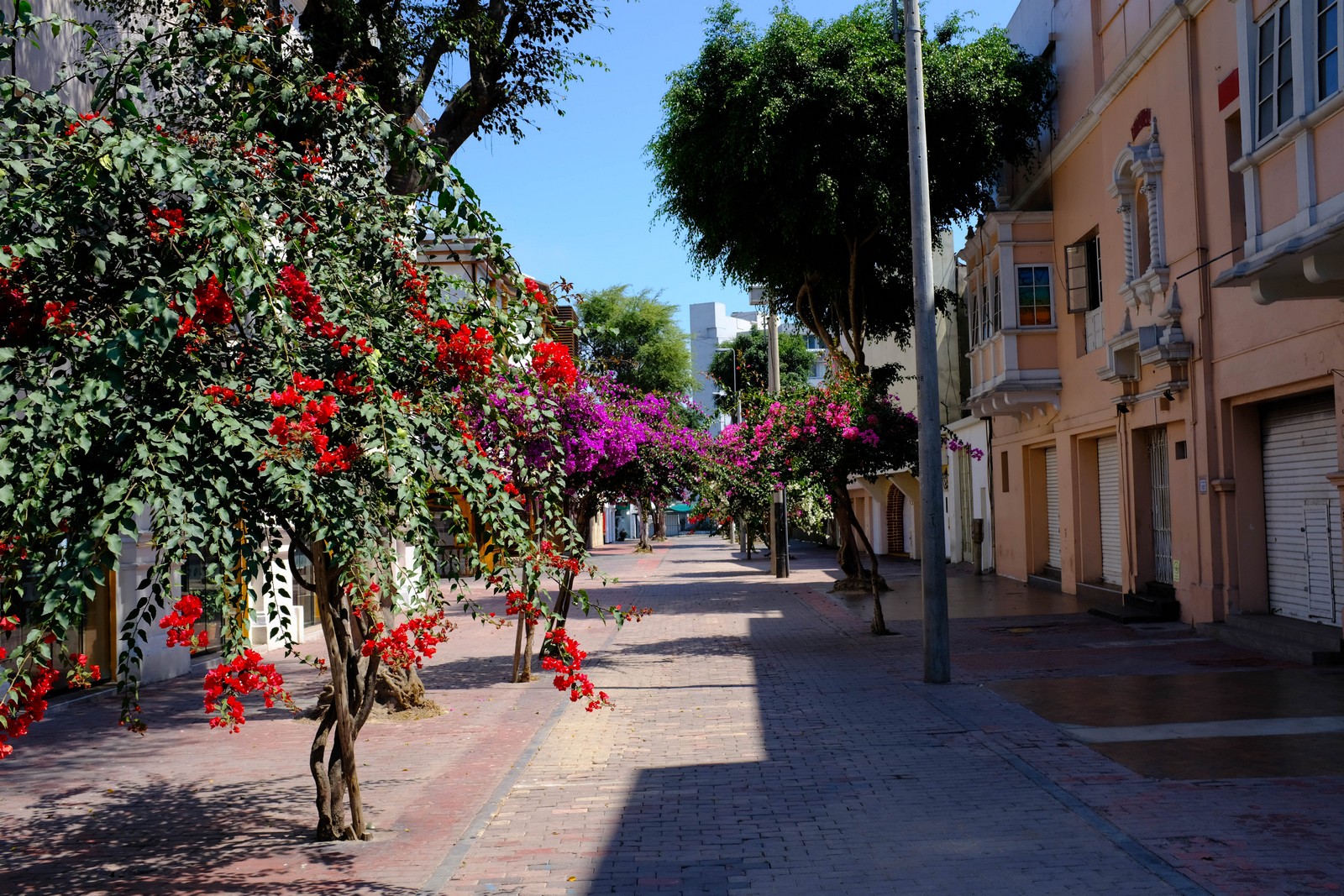
As I write the only sound that I hear is the dull roar of rocks perpetually tumbling in the surf. A month and a half ago the energy of the city was such that my windows rattled day and night as a steady stream of traffic passed below. Then on a Sunday night the quarantine was declared and on Monday the world was different.
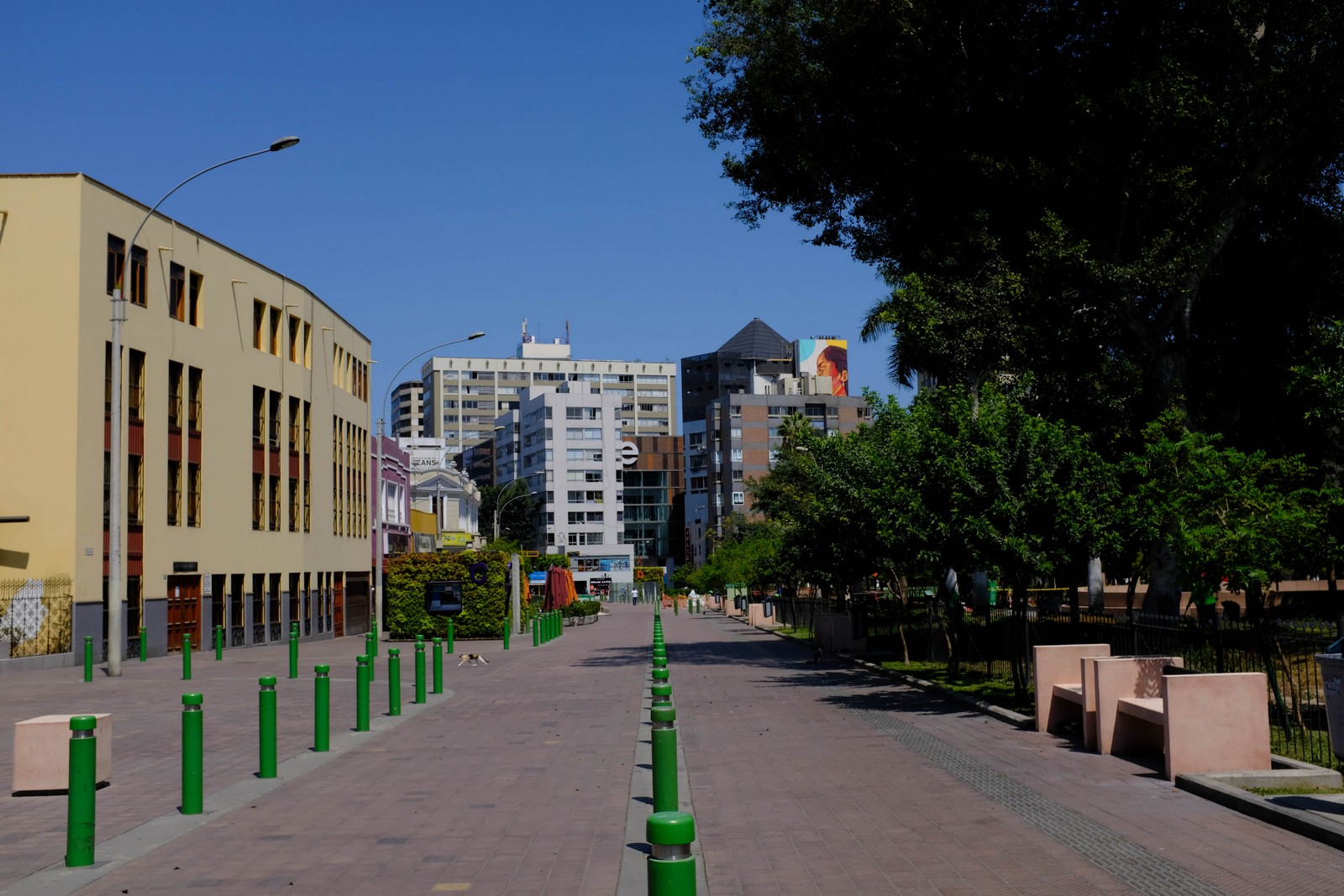
I awoke on the first day to a chorus of birds in the trees that line my street, but gone was the old man who wheeled a cart full of fresh bread around, the call and response of taxi horns and the knife sharpener who roamed the streets whistling with his grinding wheel in tow. The rapidity with which public spaces had cleared created a surreal anxiety-inducing ambiance. I imagined myself in the empty streets of a Western with an invisible enemy that would only fight at a range closer than ten paces.
In every crisis, I imagine that there are moments that would appear tranquil to an outside observer, but the individuals who are living those moments rarely feel anything resembling internal peace. As the city slowed, my mind was still attuned to its now absent frantic rhythms, but there was nowhere to go and no way to expend that energy. My lesser developed lizard brain told me to flee or fight, but prefrontal cortex worked assiduously to keep me at home. I found myself indulging somewhat in hoarding impulses (I went to the store for wine and peanut butter), calling long lost friends and reading the news incessantly. I found myself pacing the apartment, organizing and cleaning to keep myself occupied. I couldn’t concentrate on work tasks and I couldn’t read the stacks of books that I dreamed the week before of having time to read. Writing was out of the question.
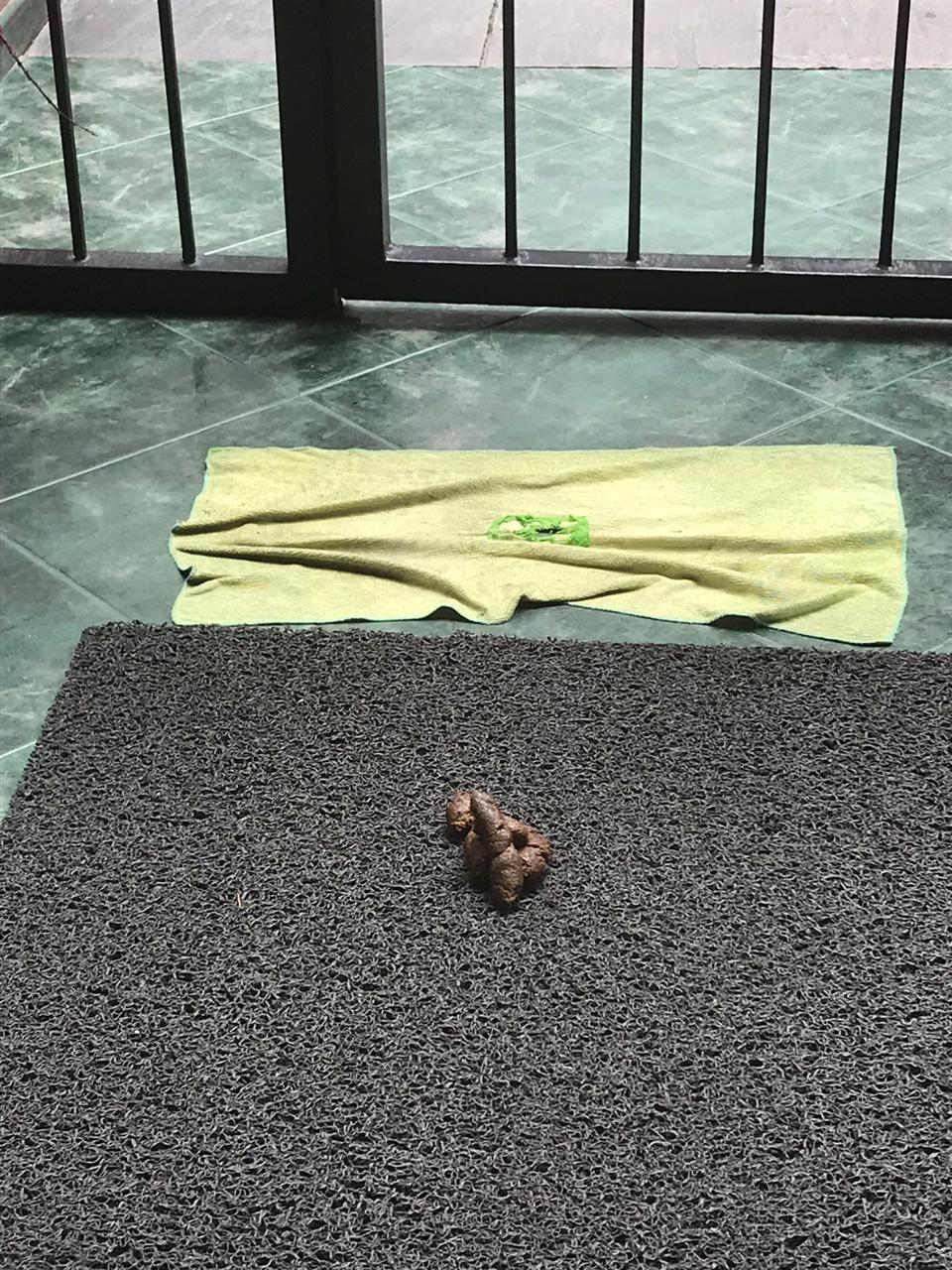
Then I got an unexpected text message – the other residents of my building somehow managed to get my phone number and included me in a group chat. In the three months that I had lived in the building, I had only exchanged pleasantries with a few of the elderly couples that live here. I knew not one of their names. There was an effort at coordination and overall concern for other people in the group, but I became focused on the way that the crisis appeared to have activated their base instincts: they shared videos – without condemning them – of the military brutalizing people for violating the quarantine restrictions, propagated rumors of snake oil cures, mused about the prospect of a crime wave from jobless hoards, demanded that all surfaces be doused in bleach each day, declared that no resident should leave the building unless it was a true emergency, mounted an aggressive inquiry after a dog turd of unknown origin was discovered near the front door and idly speculated about the couple across the street whose kids cry constantly. I felt like these people were panicking and I worried that it could turn against me. I vowed to go out each day for a walk and to continue seeing my friends.
I did not dare say anything as I hoped to maintain a low profile. I contemplated pretending to not speak Spanish if they tried to engage me any further. It all reminded me of an expression that is commonly used in the rural areas of Peru:
“Pueblo chico, infierno grande.”
From the roof
Almost immediately my apartment felt confining but as soon as that feeling arose, a thought came forth from the ether in response: maybe there was a way to get access to the roof of the building?
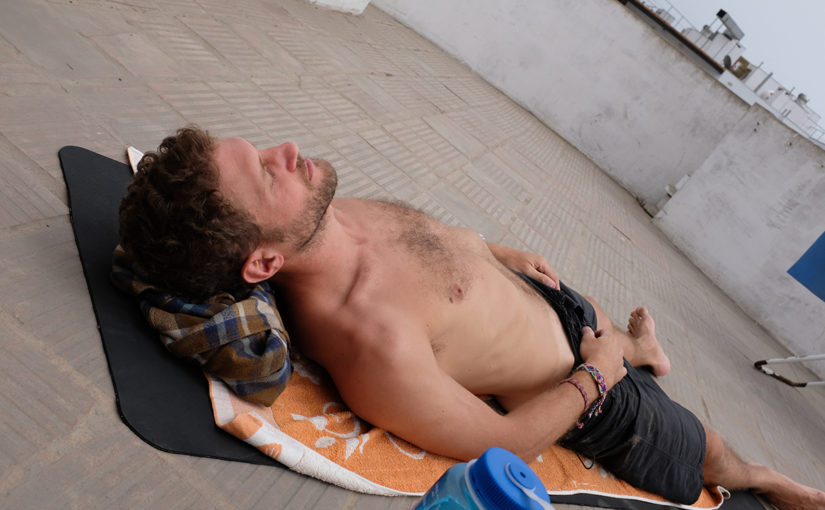
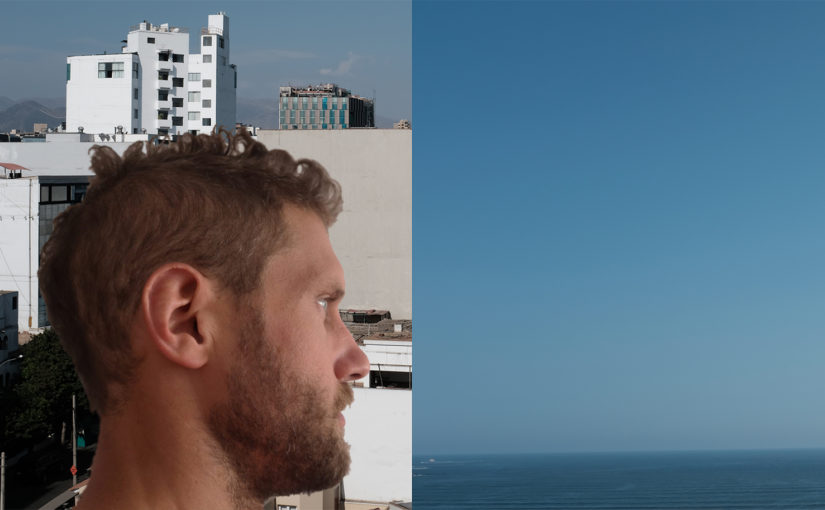
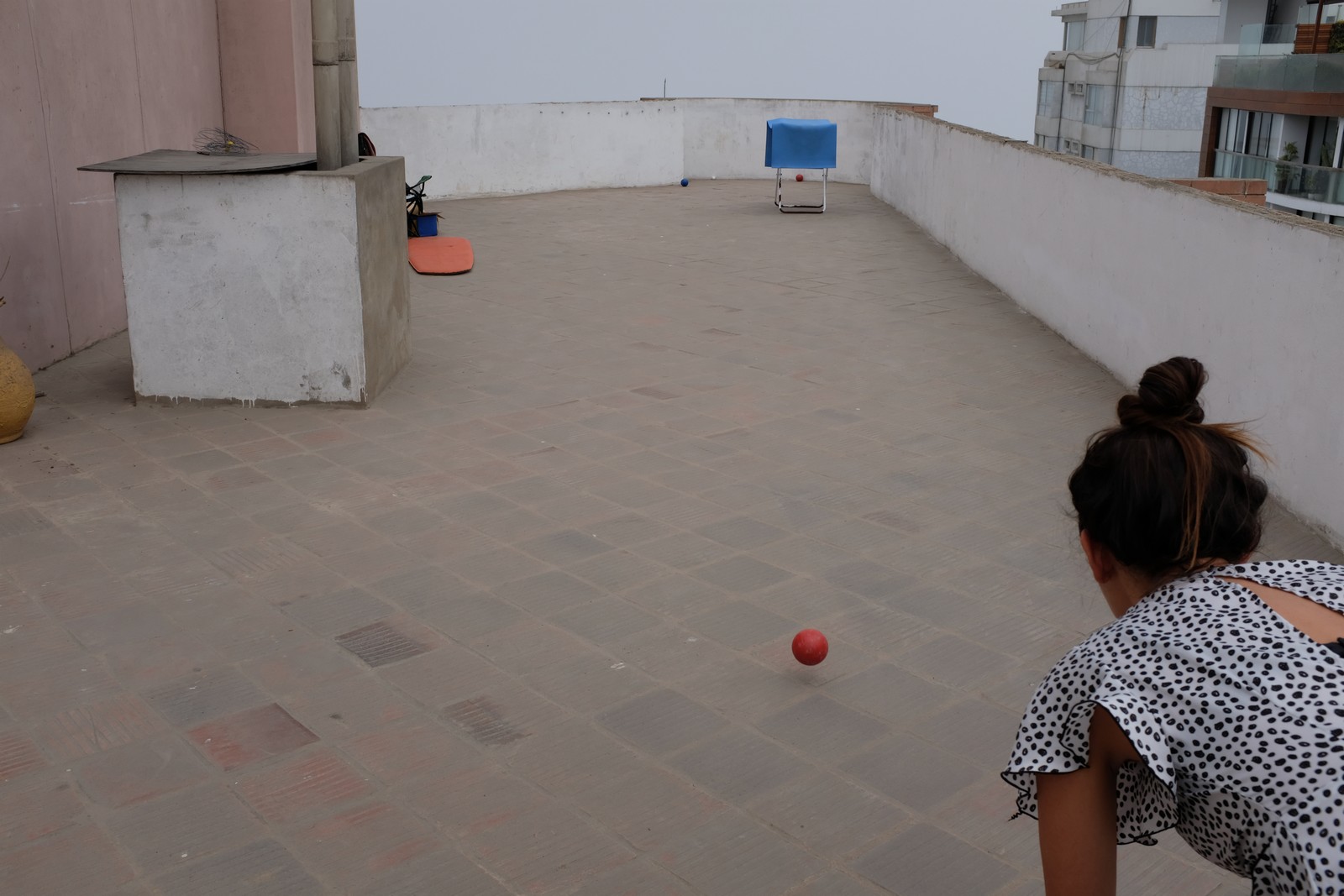
I furtively ascended the stairs to avoid creating suspicion and arrived at the eighth floor. There were two doors – one was clearly for an apartment. I gently tried the other knob and it opened. The roof! The sun was radiant and had transformed the color of the Pacific into that of the Caribbean. I carefully repressed the joy that I felt with the covetousness of a child who has just discovered something and wants to make sure no one else finds out about it. I marveled at the view as I paced the abandoned roof amidst broken wires, pigeon shit and scattered pieces of concrete. I swept the roof and found a camping chair with an awning at the grocery store that I began sitting in for hours each day.
As the days went on, I gradually adjusted to the slow and repetitive rhythm of the quarantine. I found myself far more present and conscious of my environment, especially the living things that I shared the space with. What I remember from this solitary week on the roof: a mass migration of seabirds bobbed and weaved past. Vultures perpetually stood perched on corners of nearby buildings like gargoyles. Boobies dive bombed and feasted upon a shoal of sardines that a pod of dolphins encircled. I saw a Grey squirrel – a recent immigrant to Peru – for the first time running on the powerlines in my vicinity.
In my apartment
I realized that I wasn’t alone in my apartment either. I share the space with one variety of fly on a full-time basis and two others that come and go as they please. The family of permanent residents, which have laid claim to the bathroom, is quite adept at ignoring me. They would let me get so close with my eye that it blurs without even the slightest reaction. Nor were they willing to respond to English or Spanish – I wondered if I was being hoisted by my own petard. The occasional lonely mosquito or moth was drawn in by my bedside light and arrived to provide me company through the night.
I began eating my breakfast standing up, because I spend the rest of the day sitting down. I stand in front of the window, looking out upon the street and the building across the way. I just watch each day begin without any expectation that it will be very different from the last.
One morning I heard a voice shout in English, “Do you live here or are you stuck here?”
It was the woman that lived across the street. I answered her and we introduced ourselves.
I had been wondering about her as I had only seen her by herself in the apartment since the quarantine started, but there was always a man with her before. I asked her, “How are you doing? Are you getting by alright by yourself?”
I instantly liked her when she defiantly responded, “Hah. I have never been busier. I am just writing all day.”
These meetings have continued. I eat my breakfast and she reads on her balcony. Sometimes we just wave to one another and say hi, but other days we talk about writing (she is a screenwriter), about her husband who is trapped in Minneapolis, about how our lives have changed and about how beautiful the city has become. We are only occasionally interrupted by the passing of a car, something that now seems like an insufferable intrusion.
On the roof
During the second week of the quarantine, I was drinking wine on the roof when Giaconda from 503 arrived with her daughter Alejandra. I knew from the memos around the building and the group chat that she was the president of the building. I assumed that I was going to receive a lecture for being on the roof; I assumed a standoffish posture. This did not come to pass. We chatted briefly in English and my plan to feign ignorance of the Spanish language fell apart. Then a few days later, another couple – Jorge and Luisa – arrived with a bottle of wine just before the sunset. Then Andrea and Jose came with beer and a joint. Then Pierre, Rafael and Aldo with his boxer. I put faces to nearly every name from the group chat over the coming days.
When Pierre arrived, he asked a few of us on the roof – with a straight face – “Do you know what rule I have implemented to make sure the virus doesn’t make its way into my apartment?”
No one said anything. I awaited an answer about dousing your doormat in bleach or putting soap under your fingernails.
He said with a grin, “Whenever any of my girlfriends come over, I make them take their clothes off at the door.” We had entered a different space than the group chat.
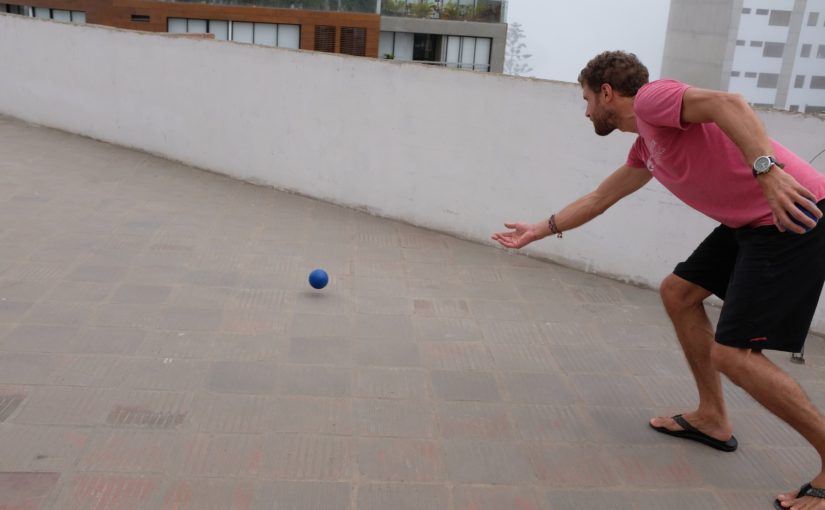
The quarantine has entered its sixth week and a constantly varying group of us has continued meeting on the roof each evening (while continuing to practice safe social distancing of course.) The crisis managed to lift the depressing grey blanket of pollution from the city, but it also parted the curtain upon a world that I did not know could exist. A space was created on the roof in which complete strangers gather in this socially fragmented city for the simple joy of having company. Sometimes we merely sit in silence and inhale the rich smell of the sea being swept up off of the bluffs. When a new piece of bad news surges forth – a significant jump in cases or hospitals reaching their capacity – the fear that grips everyone’s lives is palpable. But most of the time we have conversations that veer off into the intimate and deep as we discuss our families, our passions, our childhoods and our plans for what we will do if we can ever do it again.
One night I went up to the roof and Rafael was already up there looking at the stars.
I mused aloud – “There is probably no one alive that has ever heard Lima this quiet. Maybe 80 or 100 years ago it was like this.”
Rafael thought about my remark for a moment before responding – “There were long periods of curfew when I was young, during the years of terrorism. It was different back then, far quieter even, because you might get shot for setting foot outside. We would have parties that were called “de toque a toque” (from curfew to curfew) because you would start drinking and dancing when the curfew started at night and continue until it ended the next day.”
This conversation led to many others about what Peru used to be like. I am reminded how the majority of people in this world have endured significant crises beforehand. This country only emerged from decades of violence and economic hardship at the start of the millennium. These people who are decades older than me have endured food shortages (there were shortages of even basic necessities like flour, sugar and oil) and car bombs in the streets (Both Rafael and Giaconda have friends who lost eyes due to flying glass). I learned that the cross that shines brilliantly over Lima is constructed out of downed electricity transmission towers that the terrorists dynamited decades ago to cut power to the city. These people are resilient and take pride in handling the crisis stoically through solidarity, humor and mutual aid.
I look forward to the sunset each day, to passing time with these people that I would never have had time for otherwise. It creates a sense of normalcy and comfort amidst isolation and chaos.
In the streets
Each night, the windows and doors of the apartments that line my street slide open and the silence of the city under quarantine is shattered by raucous applause, music and piercing whistles. It began as a means to show our gratitude for everyone that is risking their life to keep us safe, healthy and fed, but I think that the nature of it has changed over time.
I read articles about the resolve fading in other cities as the quarantine drags on; that fatigue eventually silenced the streets. This has not happened in Peru. And in my case, I have become even more dedicated about the practice as time has passed. The cavalier attitude that I had at the start of this crisis has been replaced by empathy for the stress that my neighbors are enduring and a serious concern that I could potentially put one of them or all of them at risk through my actions. The nightly applause is a small gesture that I feel enables me to acknowledge and express my gratitude for the efforts and sacrifices that my neighbors are making to ensure our collective well-being. We are not alone in this.