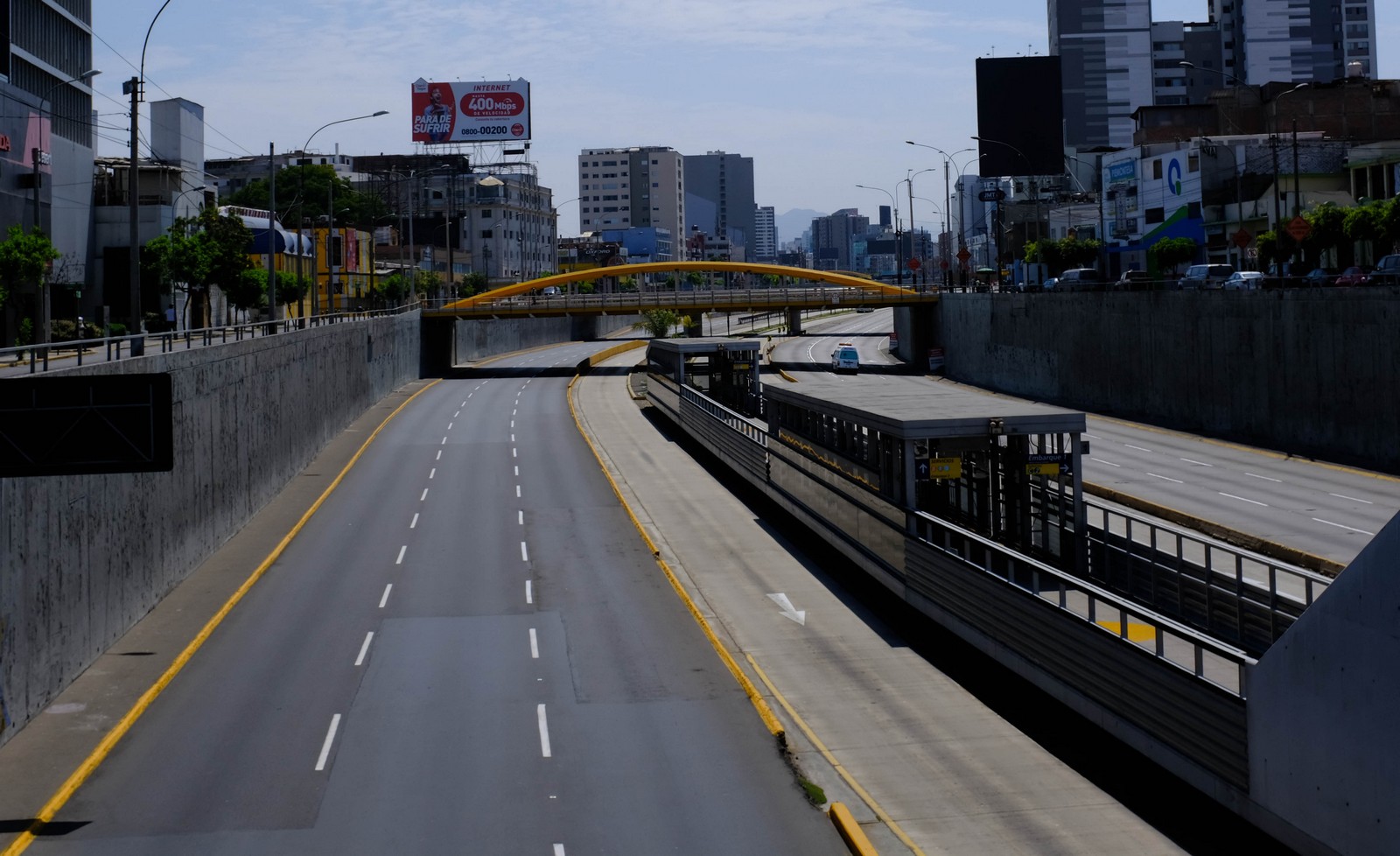
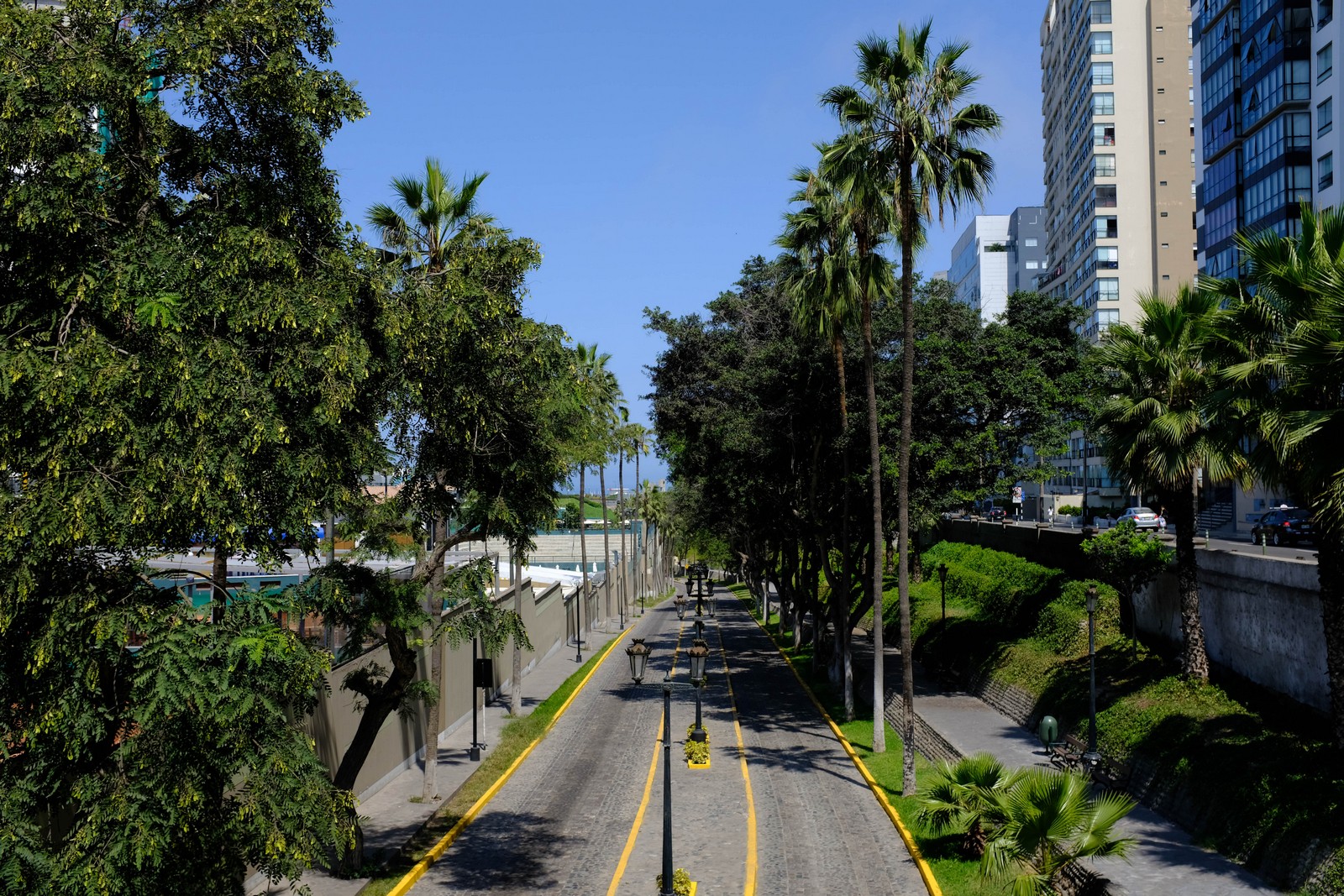
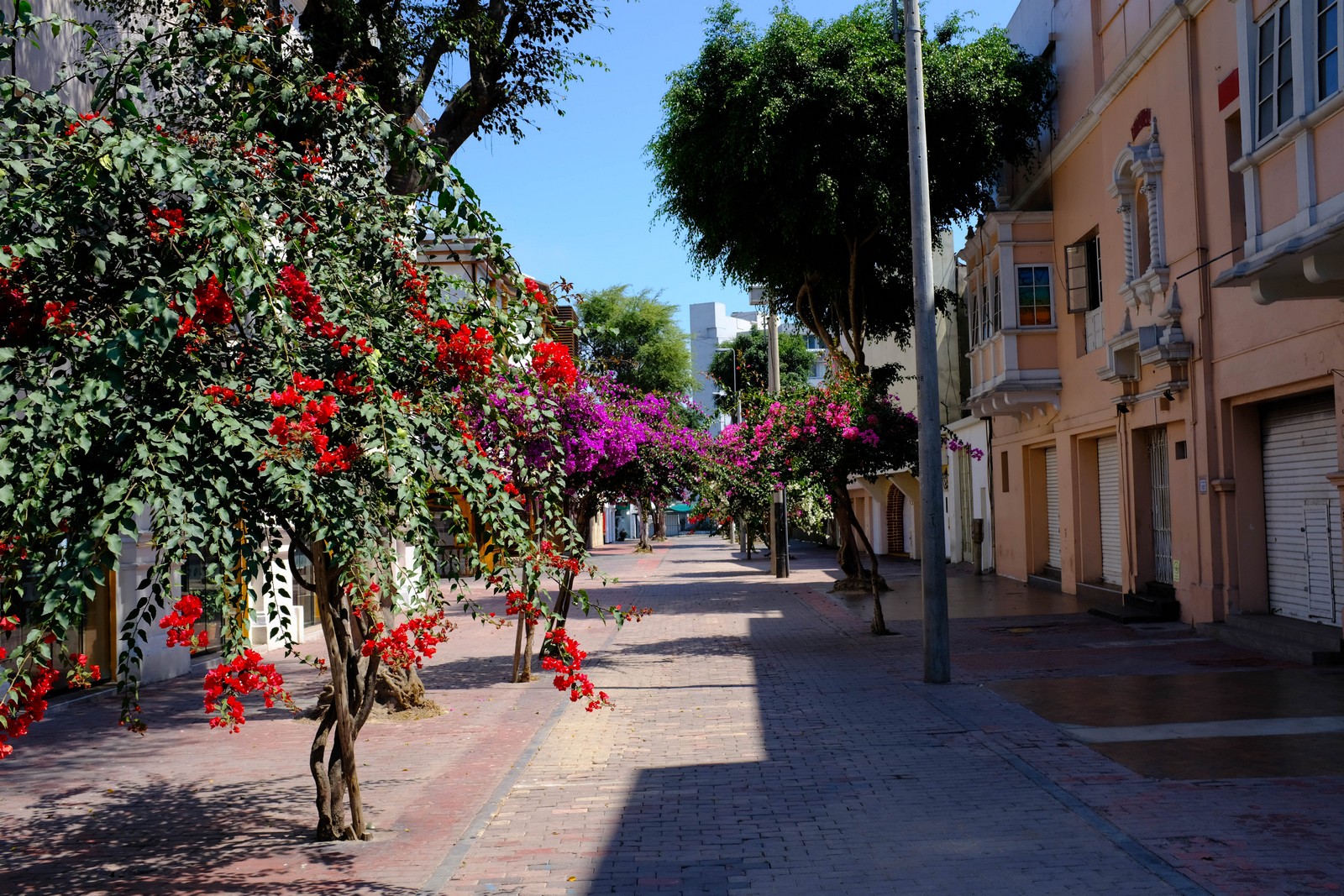
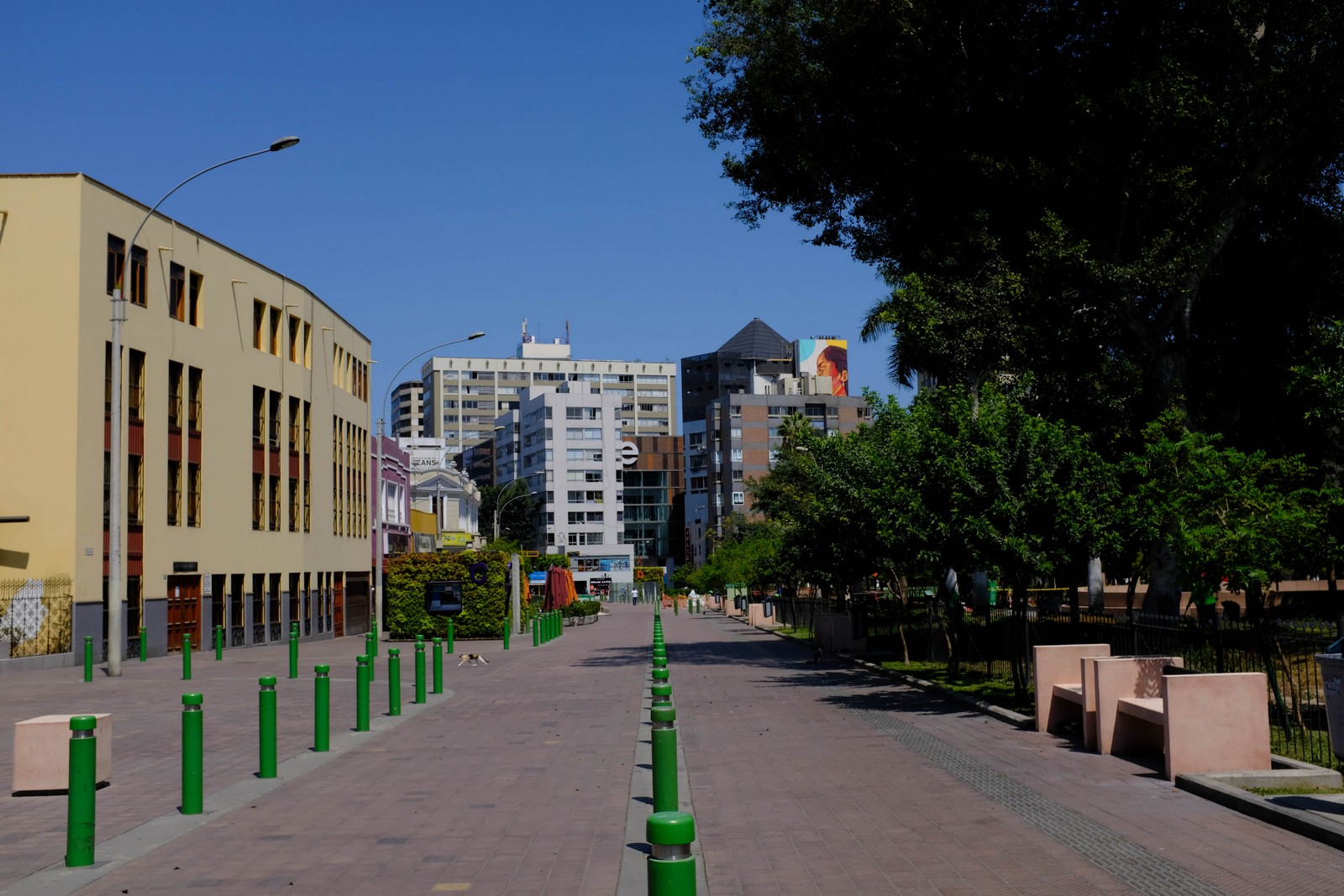
The destructive rhythms of Lima have ground to a halt.

I lay on the couch,
sit on the floor,
pace on the concrete roof,
and dream
of floating through a redrock desert on a swollen river;
of walking though a verdant forest under towering trees;
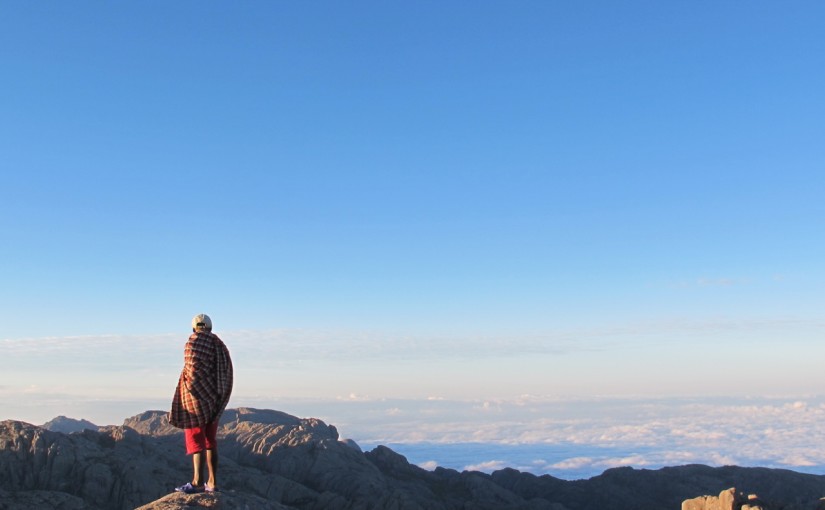
of sitting on a ridge line looking out upon endless ranges.

I don’t want to go back.
A rainforest can appear vacant and silent, but there are some people who say that there are more eyes than leaves, that you just have to keep your mind blank in order to see and hear the life.
Madagascar is a small continent, massive and isolated from mainland Africa for over 70 million years. Geographic isolation and a variety of unique ecosystems ranging from desert to rainforest have led to the evolution of an incredible array of diversity, the likes of which exists nowhere else on earth. 90 percent of the reptiles and amphibians are endemic – a number which accounts for two thirds of all known chameleon species in the world. 80 percent of the 10,000 known plant species are endemic, as are roughly 50 percent of the birds. Oh and the lemurs have radiated into dozens of species filling a broad variety of ecological niches – some are the size of mice and others the size of children. The beauty of the adaptive radiation exhibited by the lemuroids and the rodential tenrecs make Darwin’s finches look like a flock of inbred sparrows.
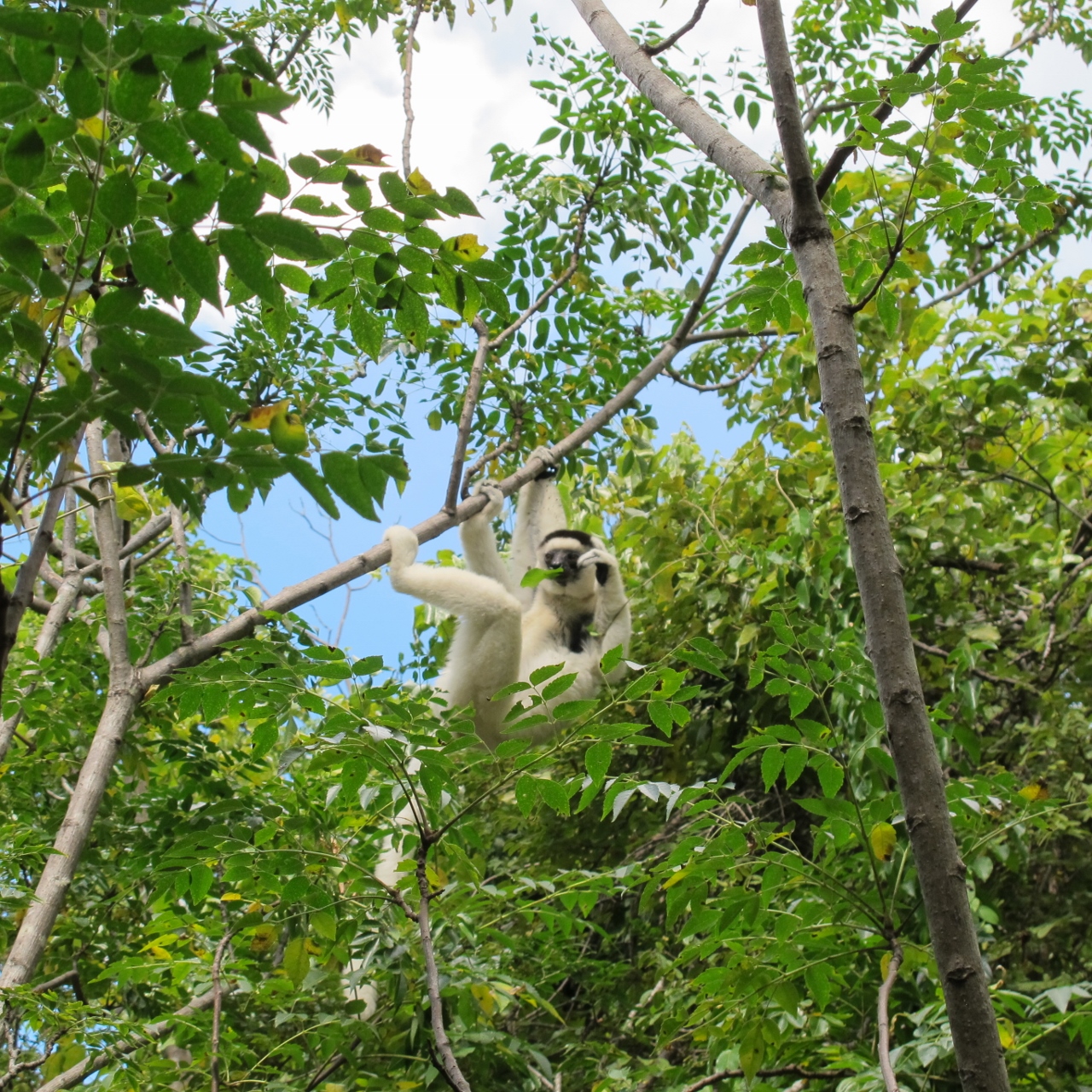
Seeing an animal means recognizing a sound or animal form that fits a pattern latent in the mind. This process is innate, but takes cultivation. Maybe it is a set of golden eyes or a rustle in the canopy. Or the strange, beautiful humming noise a Milne-Edwards Sifaka makes just before launching sideways from one tree to another until it disappears through the jungle. Possibly the haunting horn-like wail of the Indri Indri cascading through the forest.
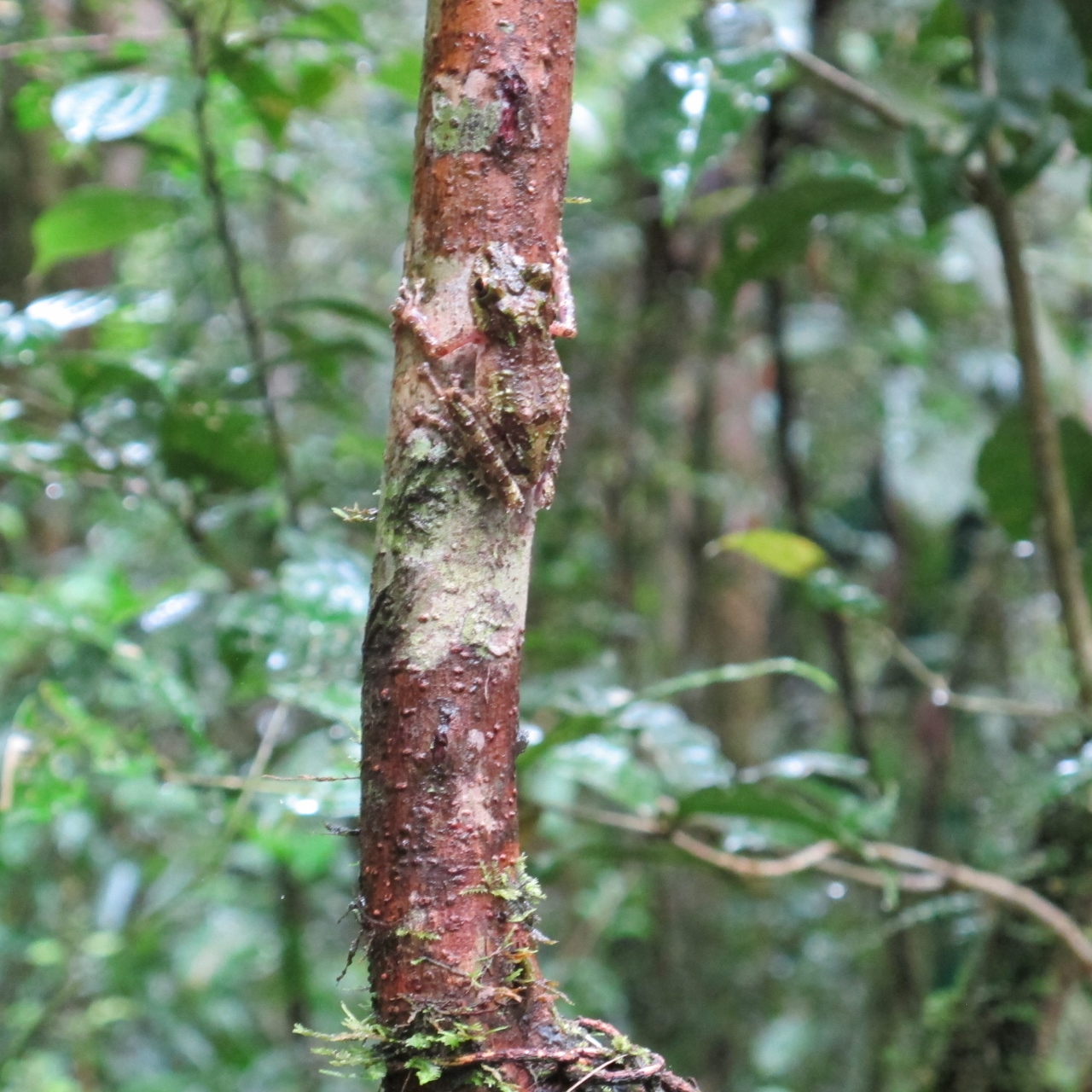
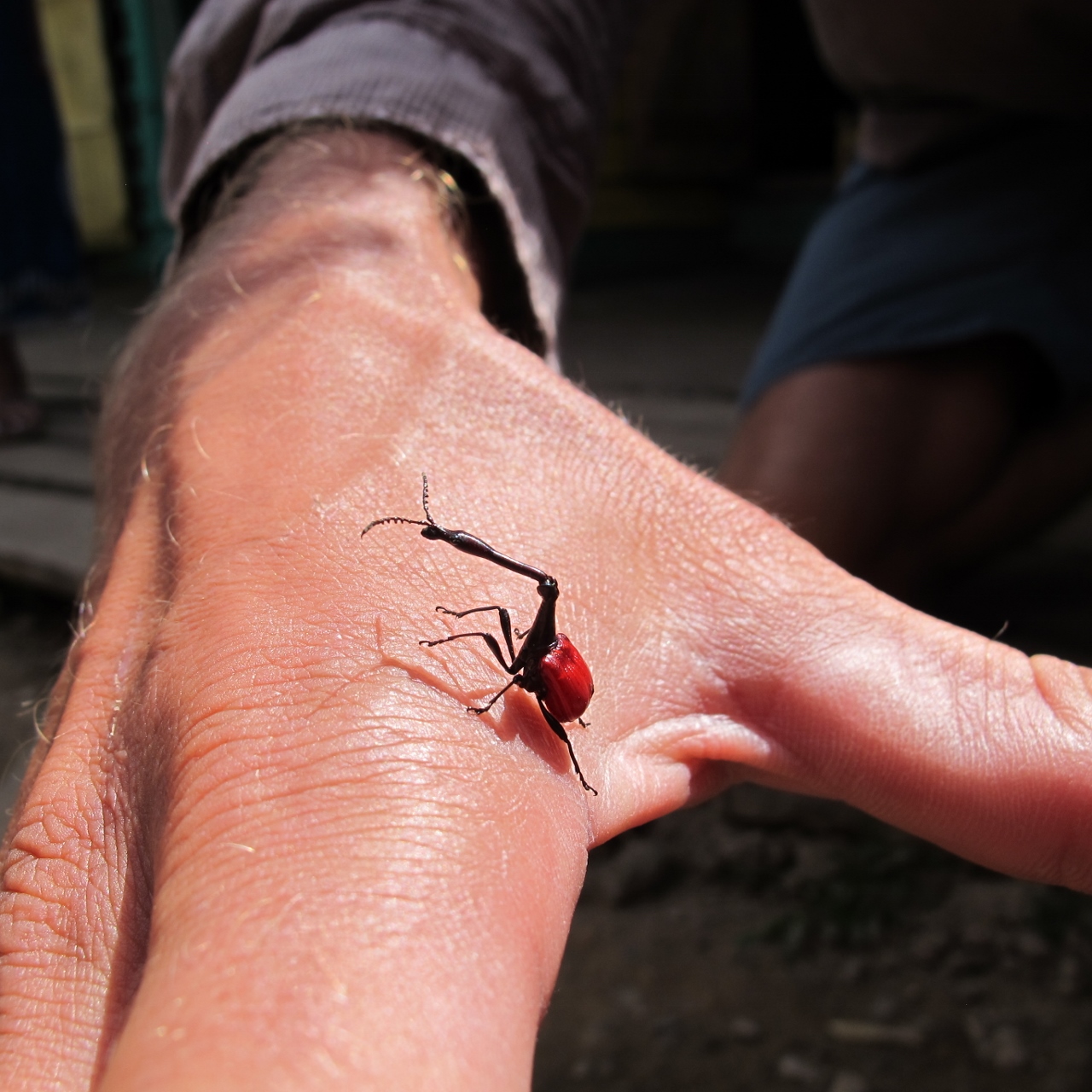
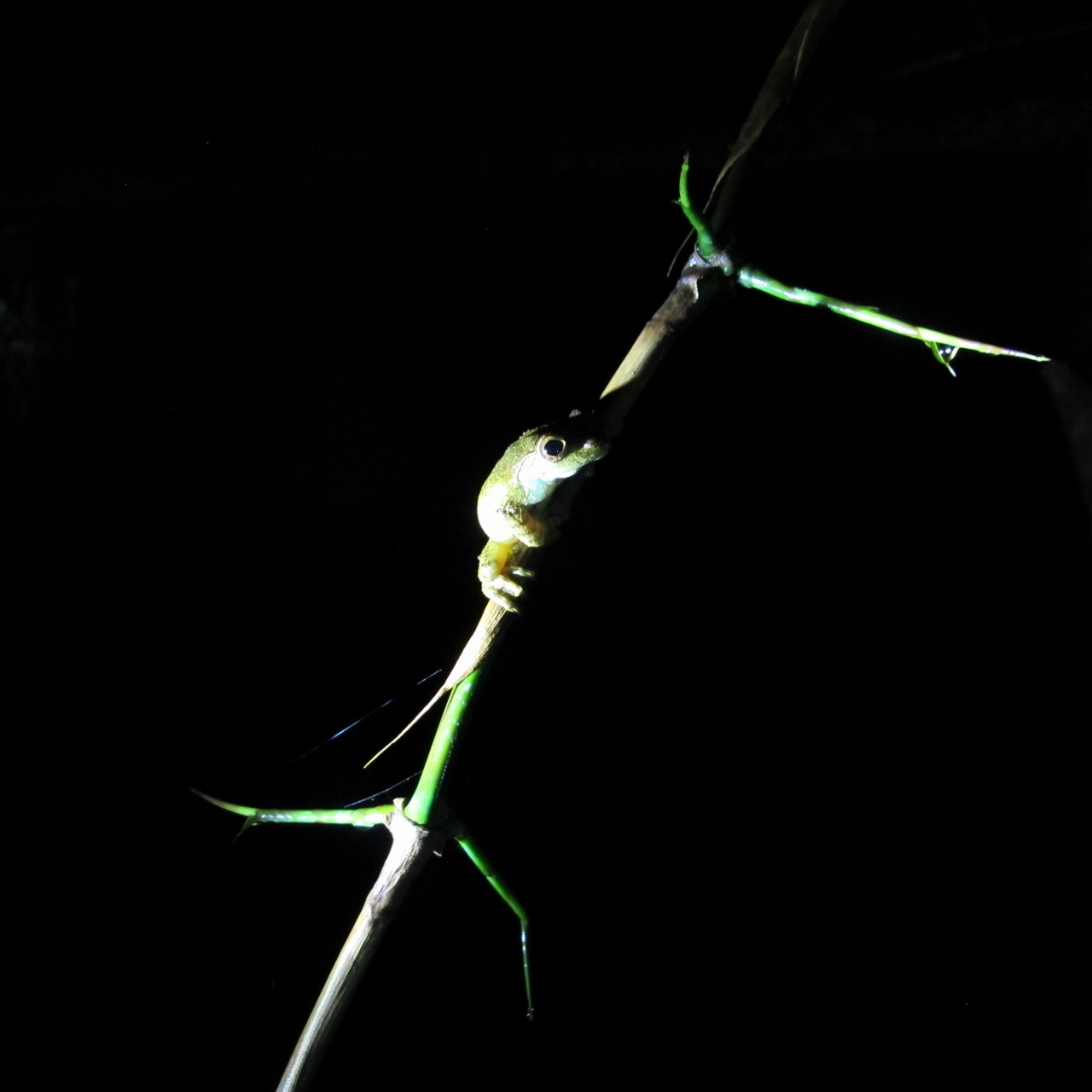
Everything in the rainforest is alive. Leafs jump through the air on two hind legs. Sticks sprout legs and crawl. A group of flowers bursts into a kaleidoscope of butterflies. A gigantic centipede has leeches riding upon its back waving furiously in the air looking for a host. A small frog living inside the cup created by a broken stalk of bamboo. A Giraffe Beetle awkwardly poised on the end of a perforated leaf. Life growing upon life.
Variegated packs of birds move through the forest amidst a medley of songs and chatter. Blue Cuoas jumping from branch to branch, swallowing tree frogs whole; Madagascar Paradise Flycatchers diving through the lushness trailing long white feathers; and Crested Drongos making regal sounding proclamations.
Under the impenetrable blanket of the canopy the night resounds with a cacophony with barks, beeps, trills, and hums of frogs. Other nocturnal creatures are furtive and carefully climb through the trees with nary a sound, like the Eastern Wooly Lemur and the Brown Mouse Lemur. Their presence is only known by the reflection of their gilded eyes through the branches. The eyes of the Leaf Tailed Gecko offer no reflection; one must discern its aborescent disguise amidst myriad other dead leaves dangling from a branch.
Chameleons crouched into leaf-like forms can be found stoically sitting on the ends of branches to better feel the approach of predators. Some are less than an inch in length, others more than a foot. Some are rose-colored, others are emerald, sky blue, grey, white, black. All of their eyes move independently, but with equal suspicion.
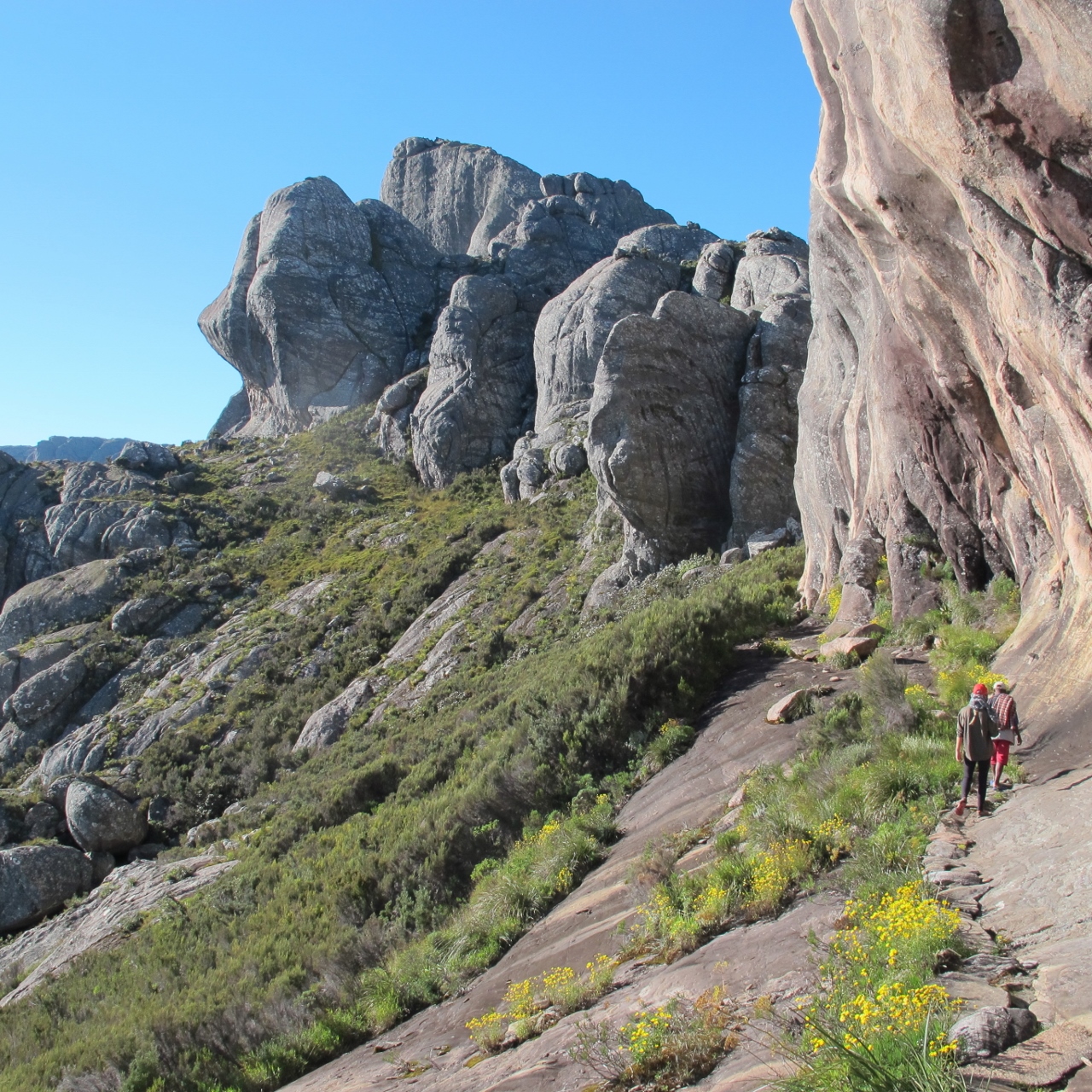
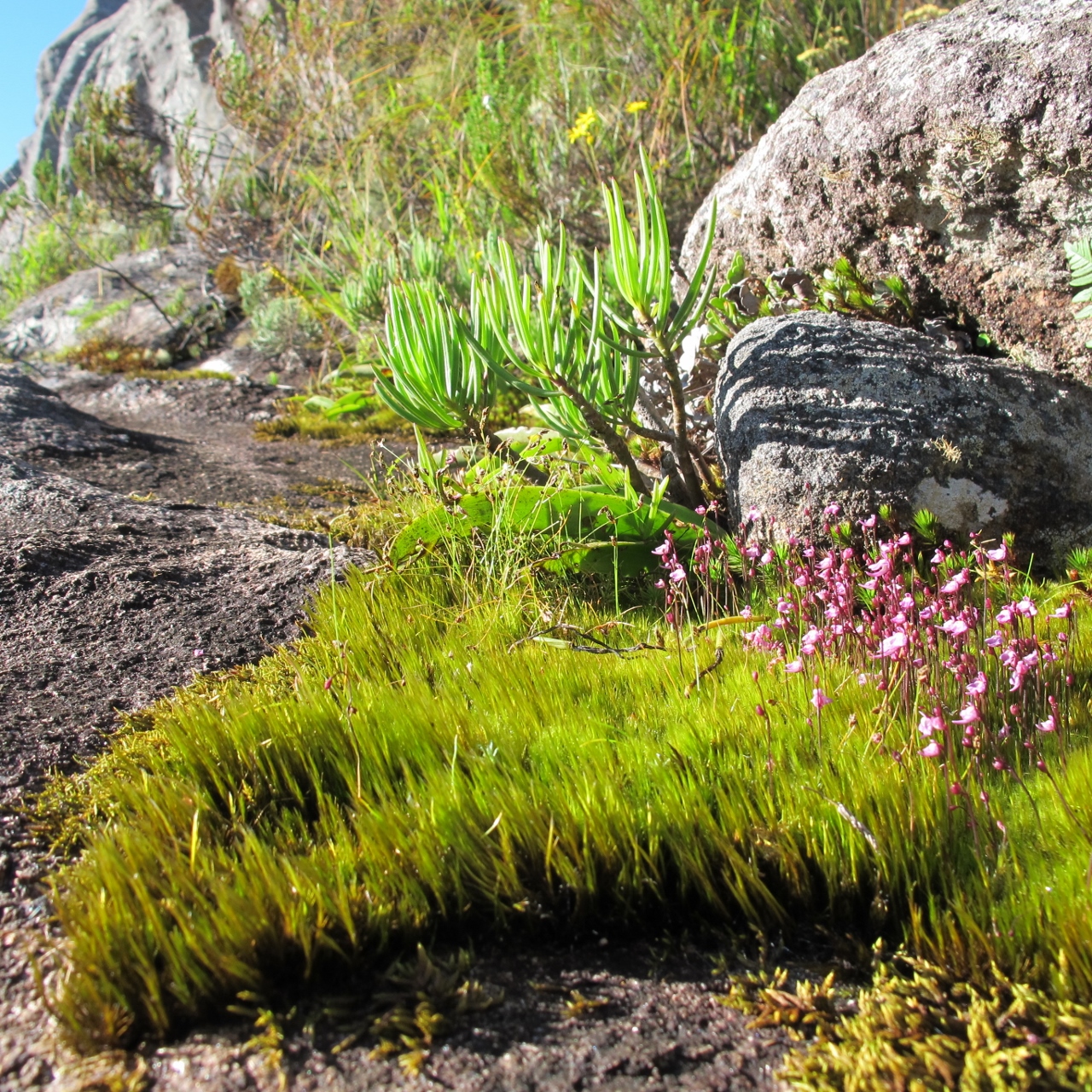
In the center of the country, rugged, seemingly barren granite mountains burst forth from the plateau. A thick fog often envelopes them as the moisture laden air rolls in from the east. There is no towering old growth forest here – this high desert teems with life at a different scale. Out of the proliferate cracks in the granite massif pours forth spring water about which gather flowers, ferns, mosses, and bugs.
These microcosms abound with tiny insects traversing a world of undulating sand particles and plants that give the terrain a surface area hundreds of times that visible from human scale. Shy, incongruously neon Carpet Chameleons wander the plains below. Rainbow Bush Grasshoppers clumsily jump about in a confidence likely rooted in their toxicity. The night is quiet as frigid air descends off the mountain and the lights of our galaxy begin to wink on and shimmer against the black unknown.
The west has arid desert that is home to baobab trees and cactus. The vegetation takes hundreds of years to grow in the harsh dry environment. You could walk along in this landscape dying of thirst indefinitely, but there is a chance that you would come upon one of the canyons that slice through the landscape as verdant gashes of life. These perennial streams are lined with tropical vegetation that shakes with flying lemurs and echos with the calls of birds.
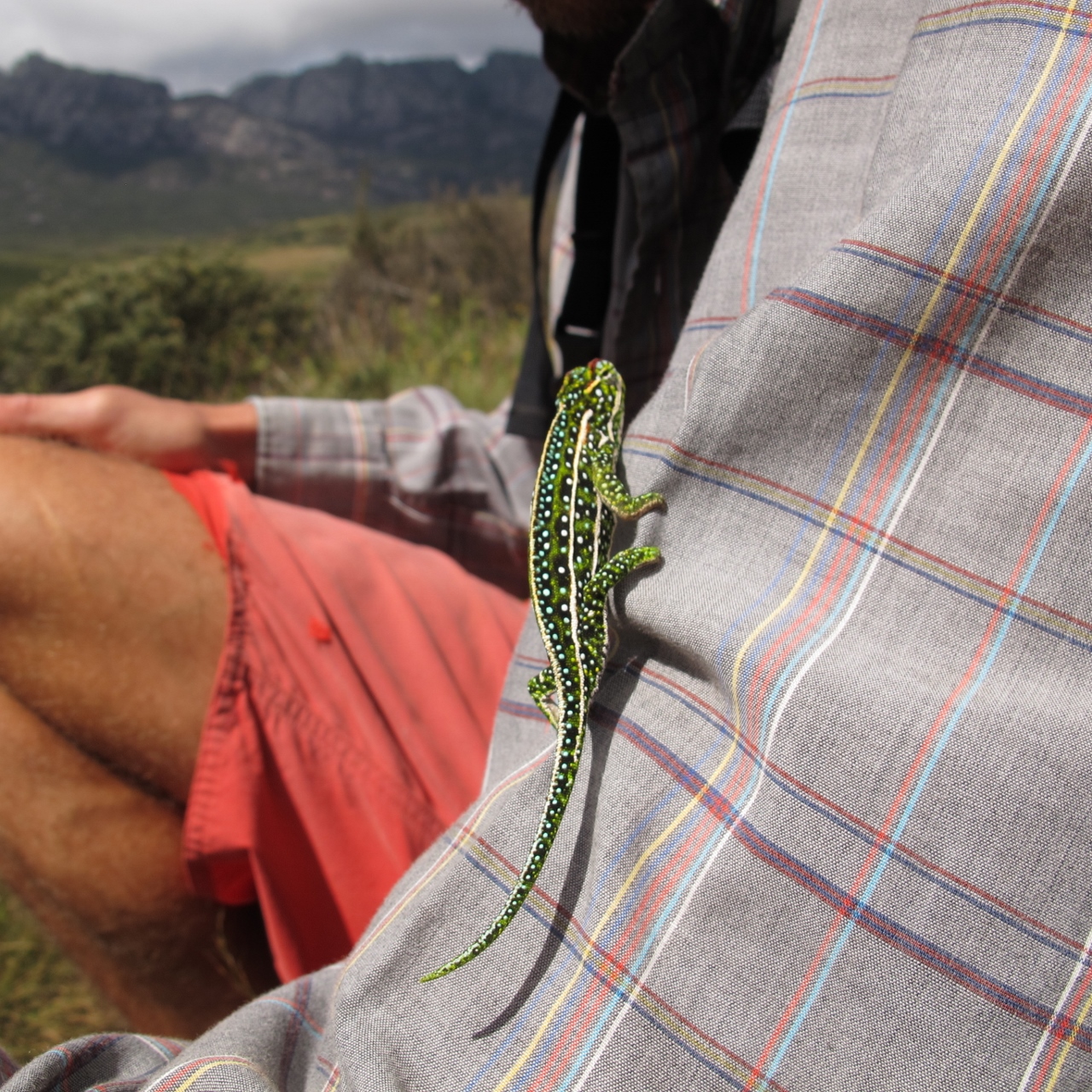
In walking amidst such profusion and diversity of life I am reminded in a profound way that we are part of a vast organism. Wandering in the wilderness is a mental odyssey to our origins; with proper attention you can see the eternal cycle of death and rebirth that has stretched on since the dawn of life. The chameleon crawling up your shirt with its oven-mitt hands; the leech sucking away on your inner thigh; the malaria carrying mosquito buzzing around your head; the wild, edible berries along the trail; and the lemur urinating on you are striving to reveal a fundamental truth about existence.
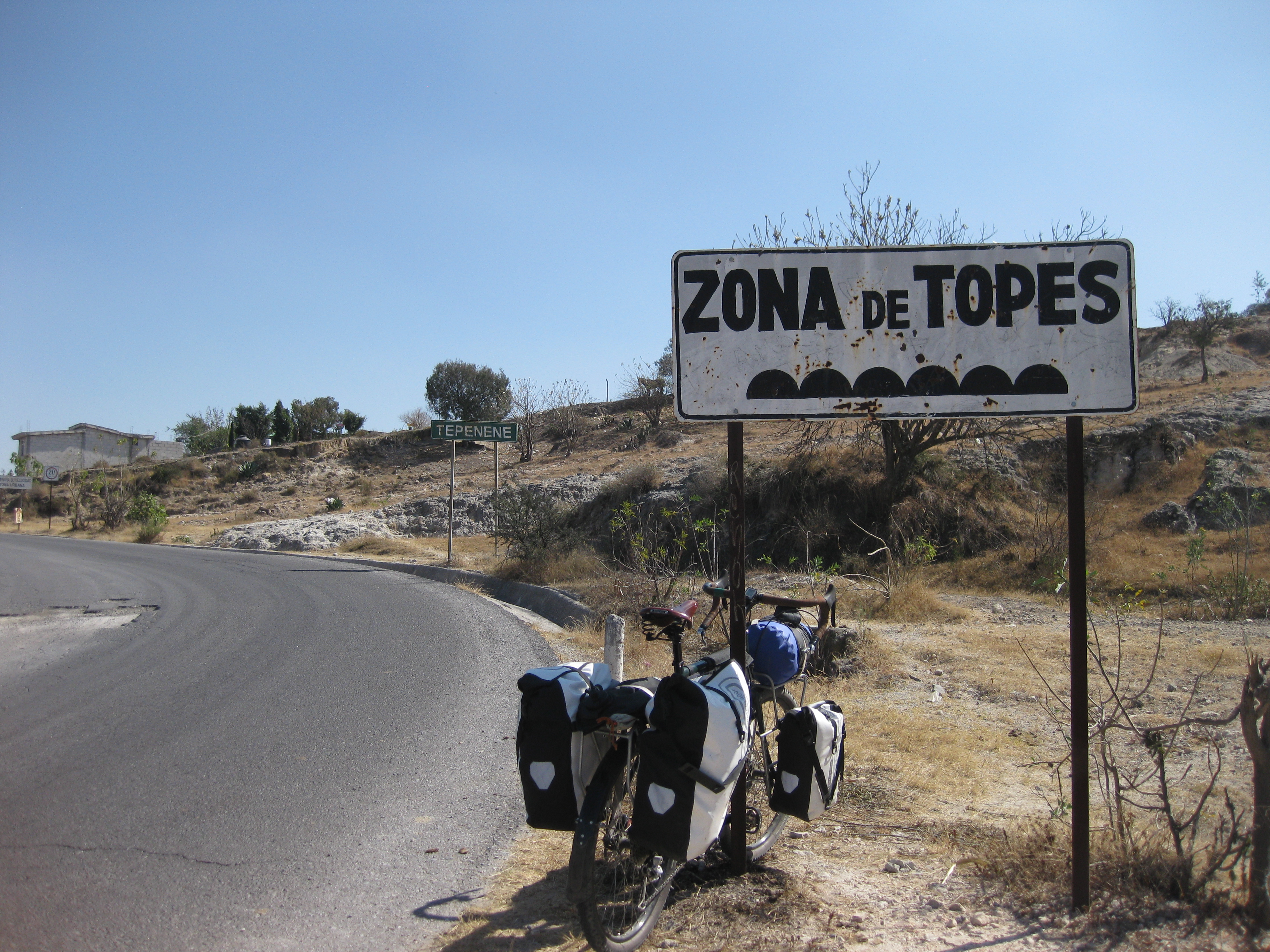
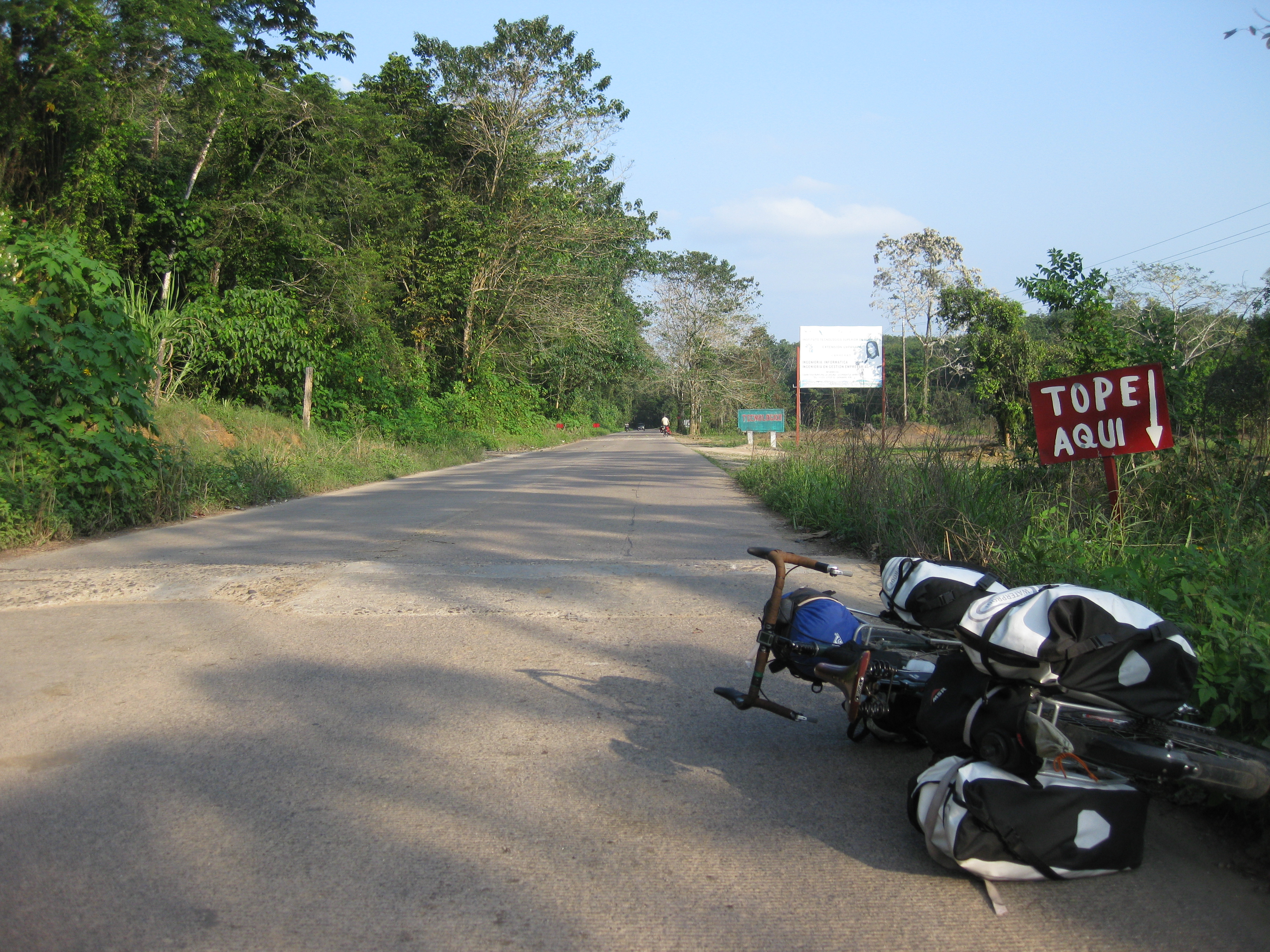
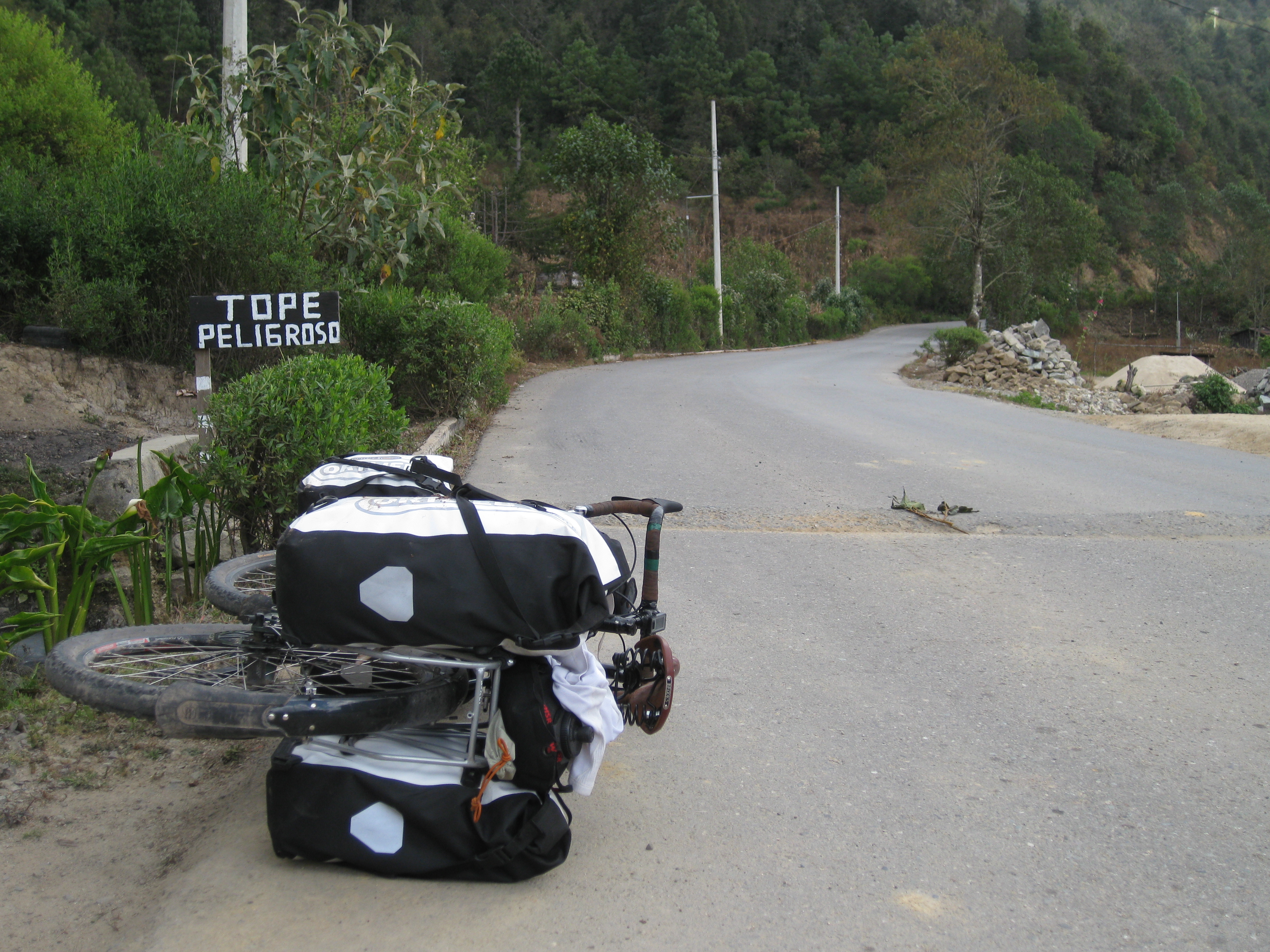
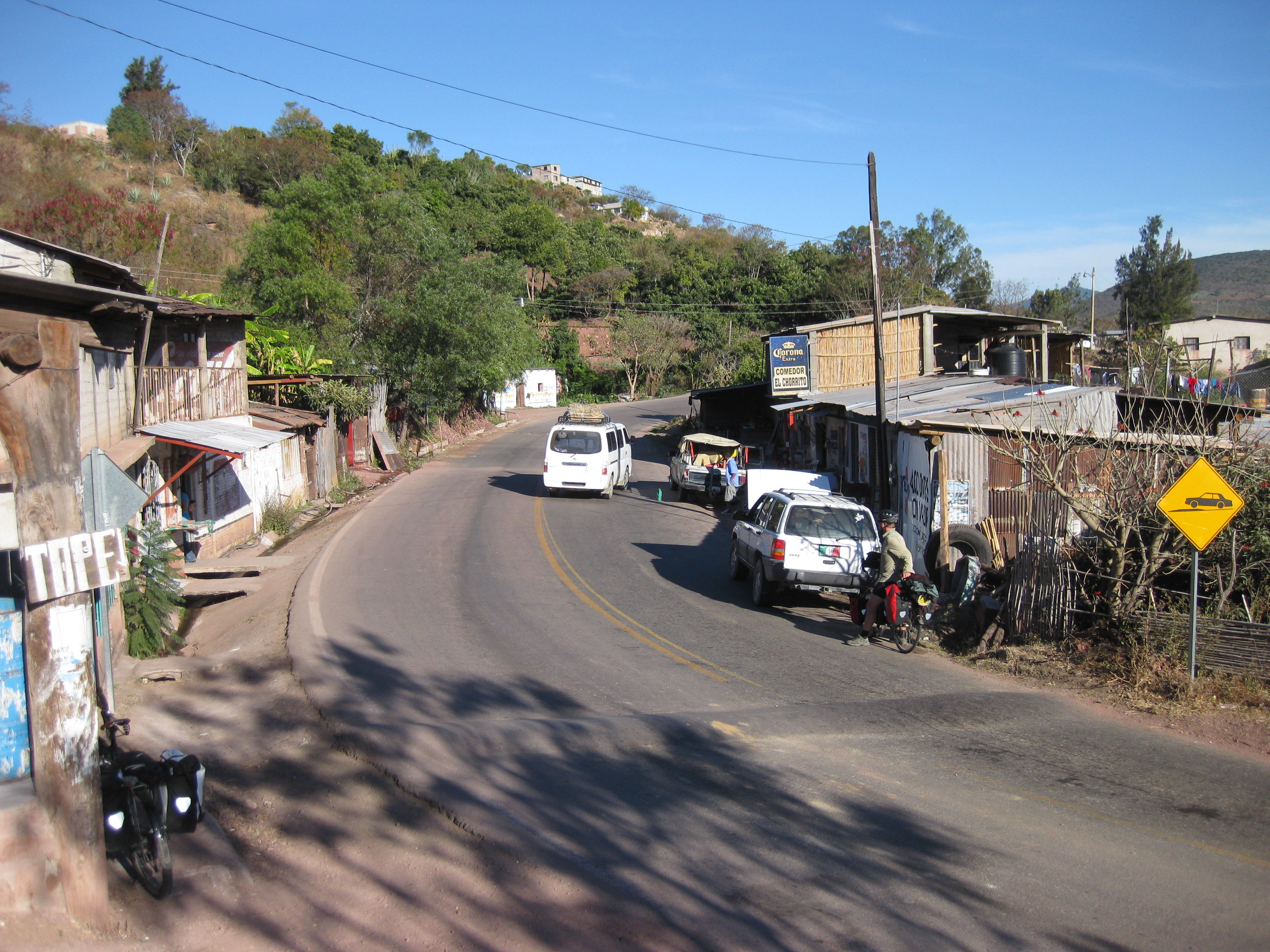
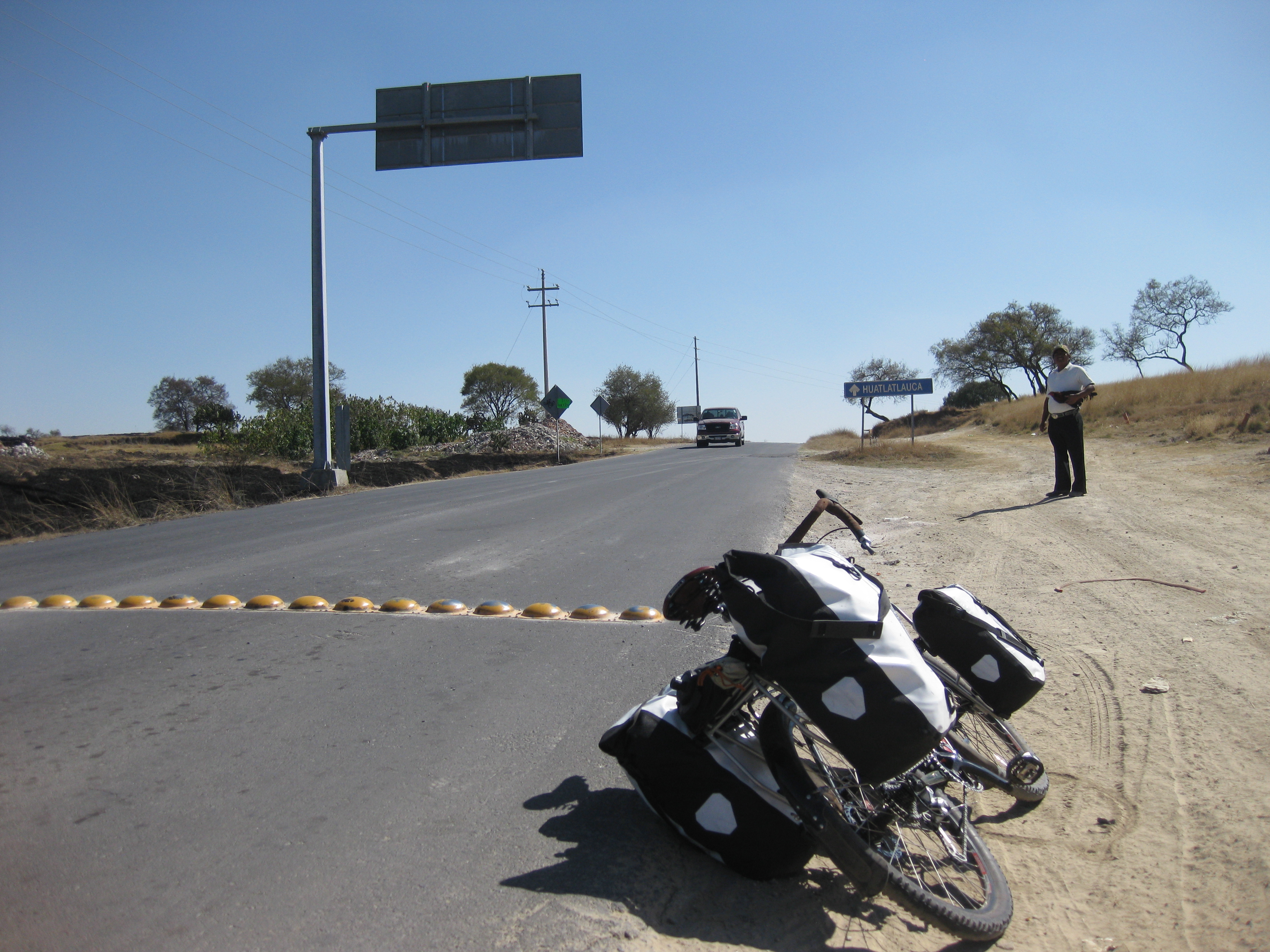
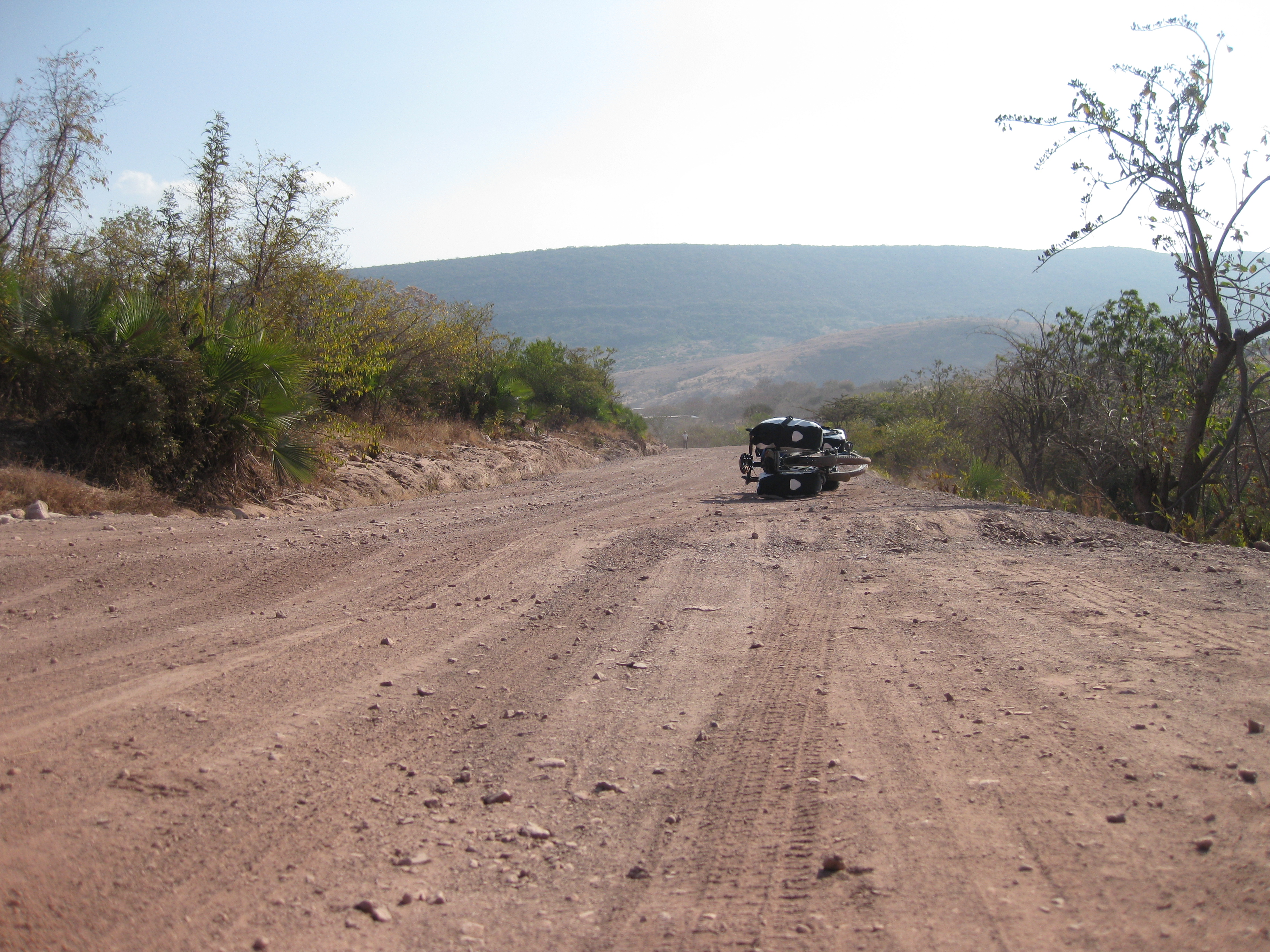
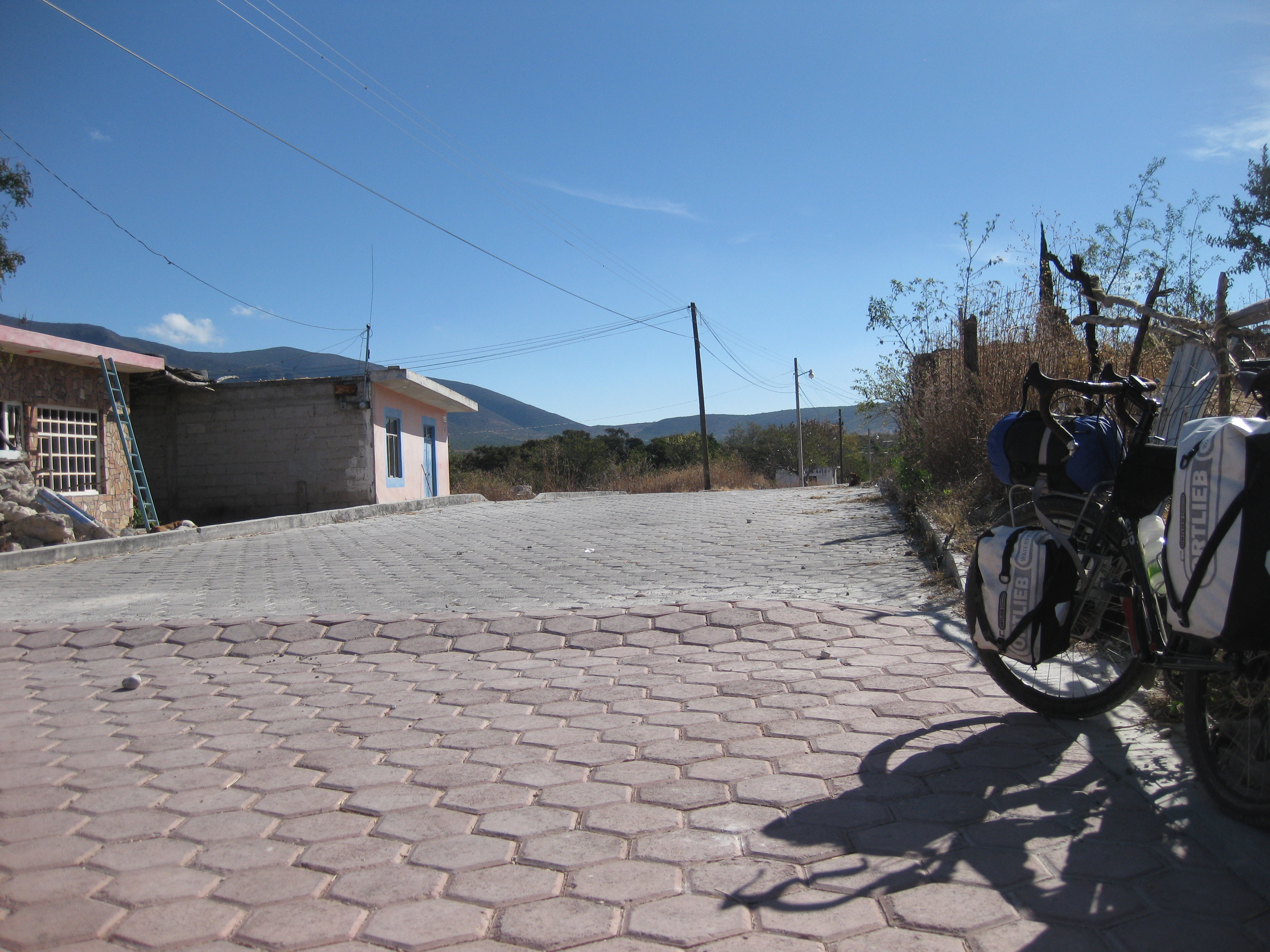
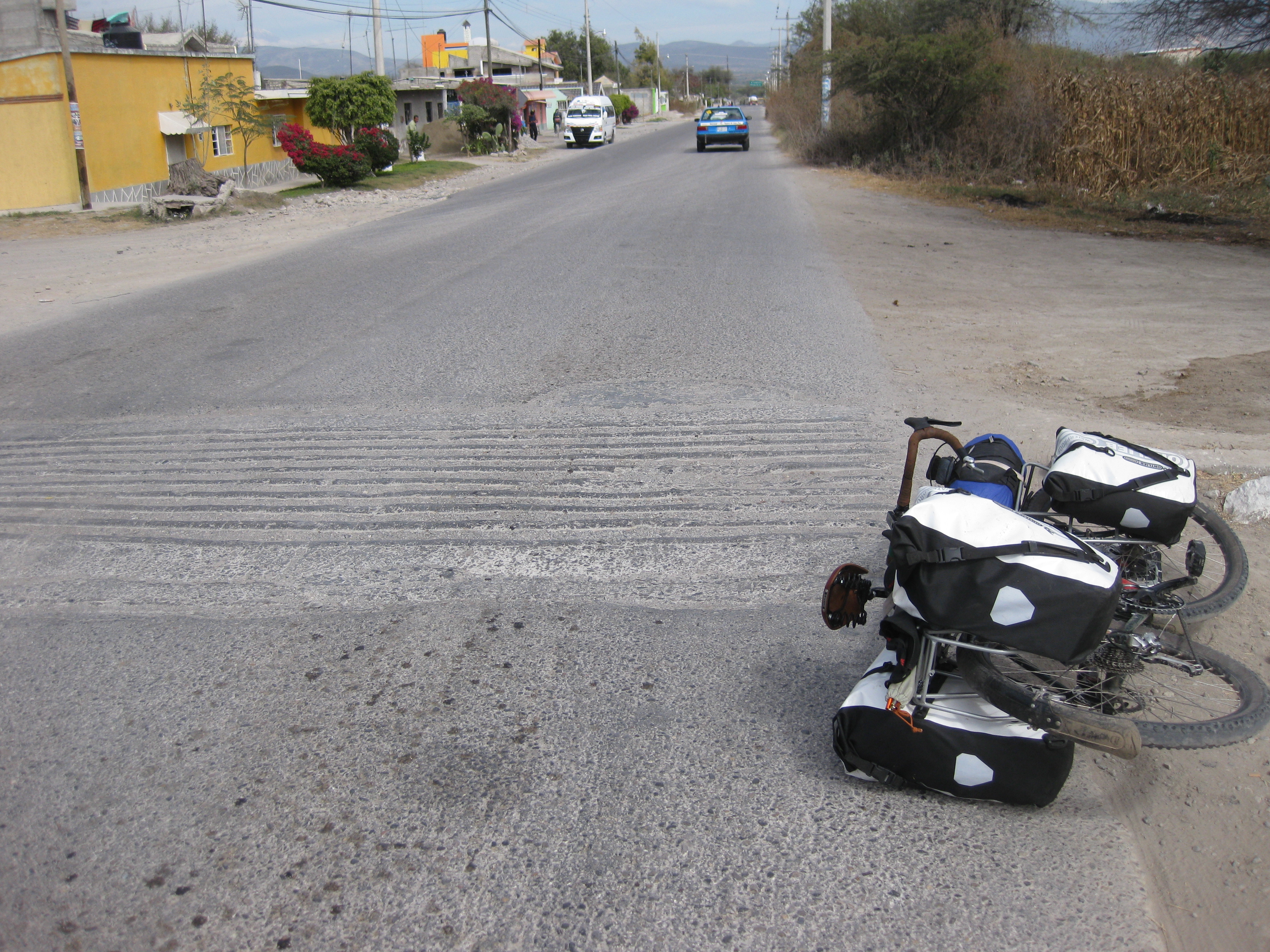
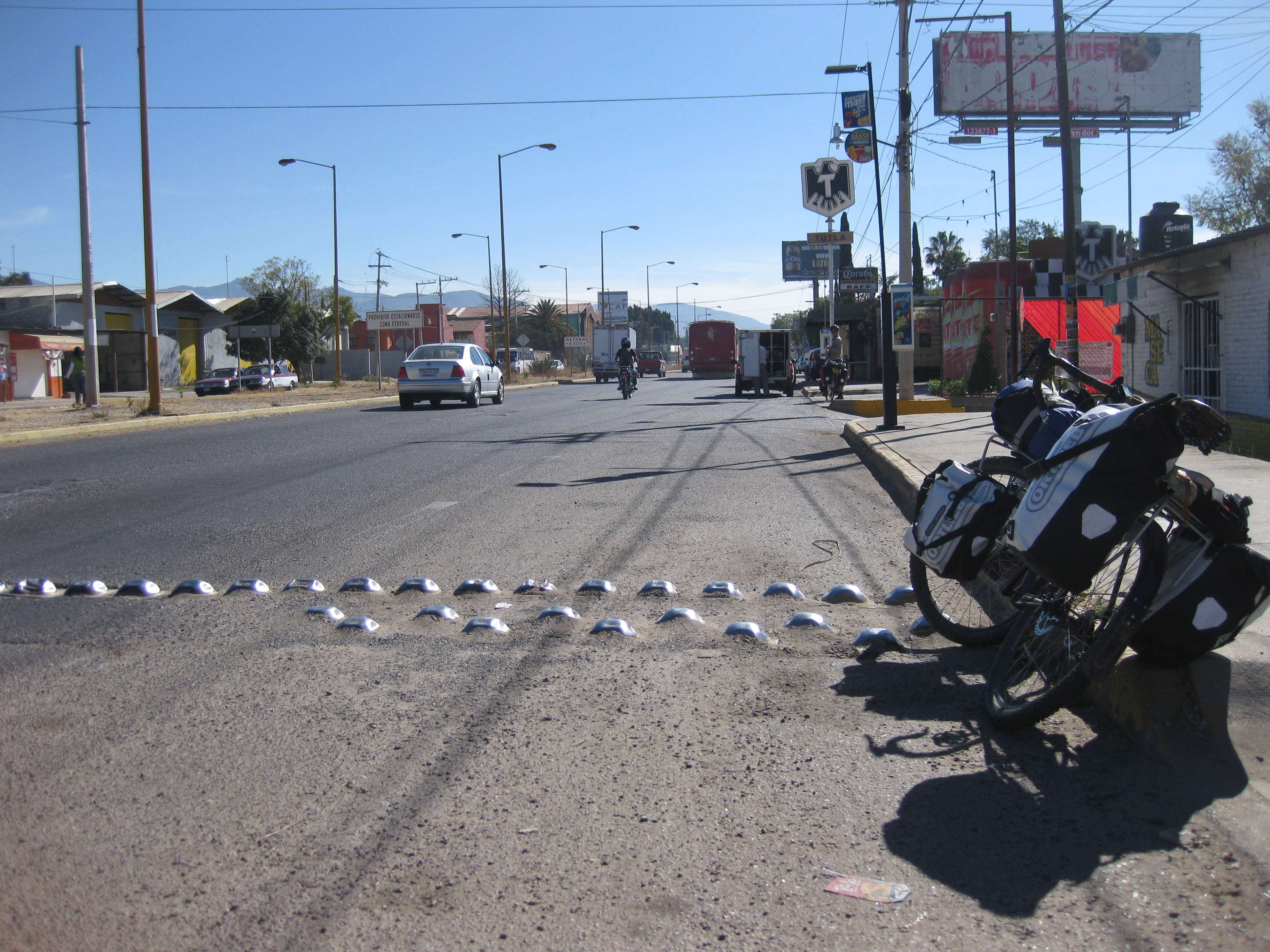
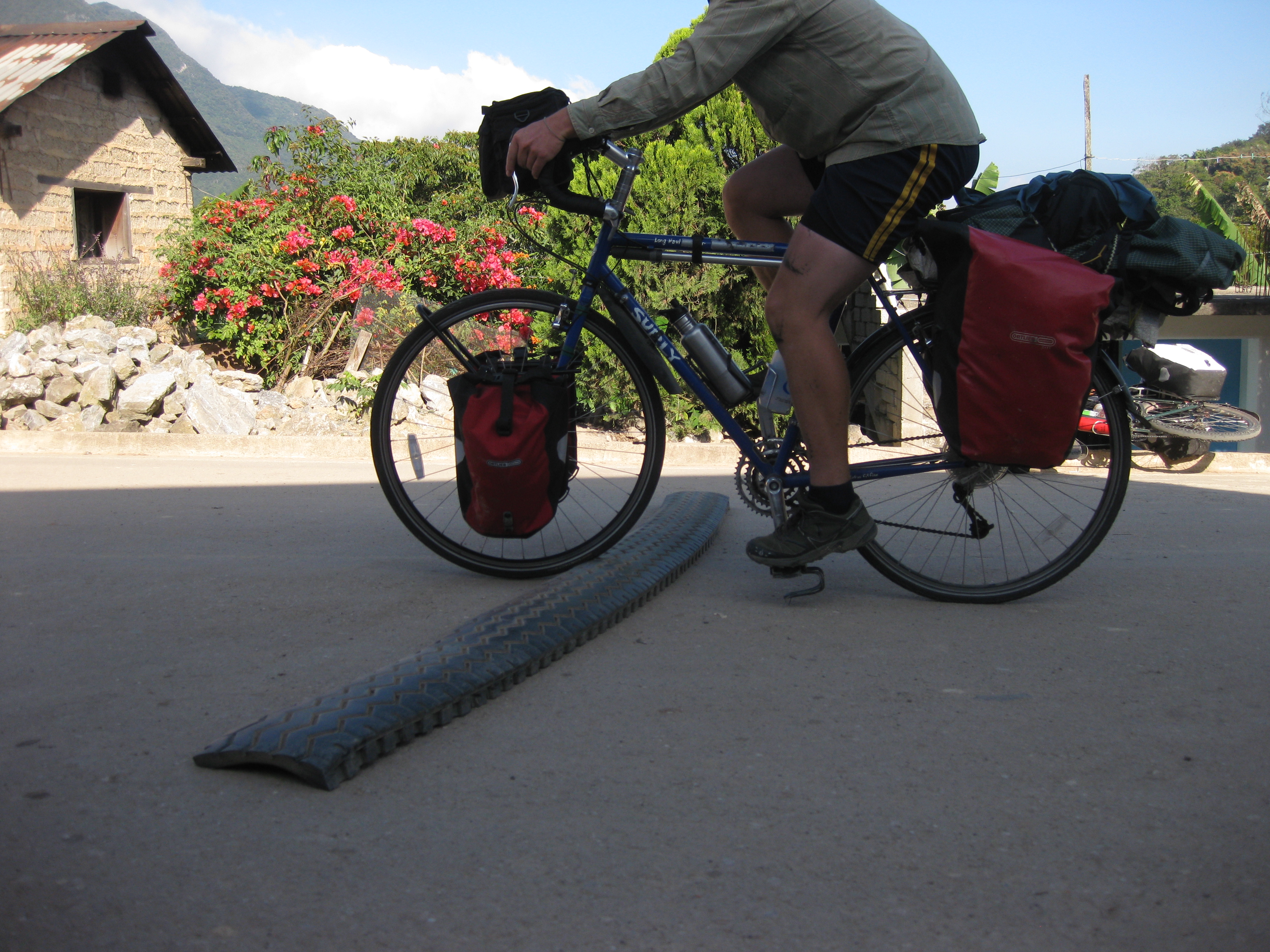
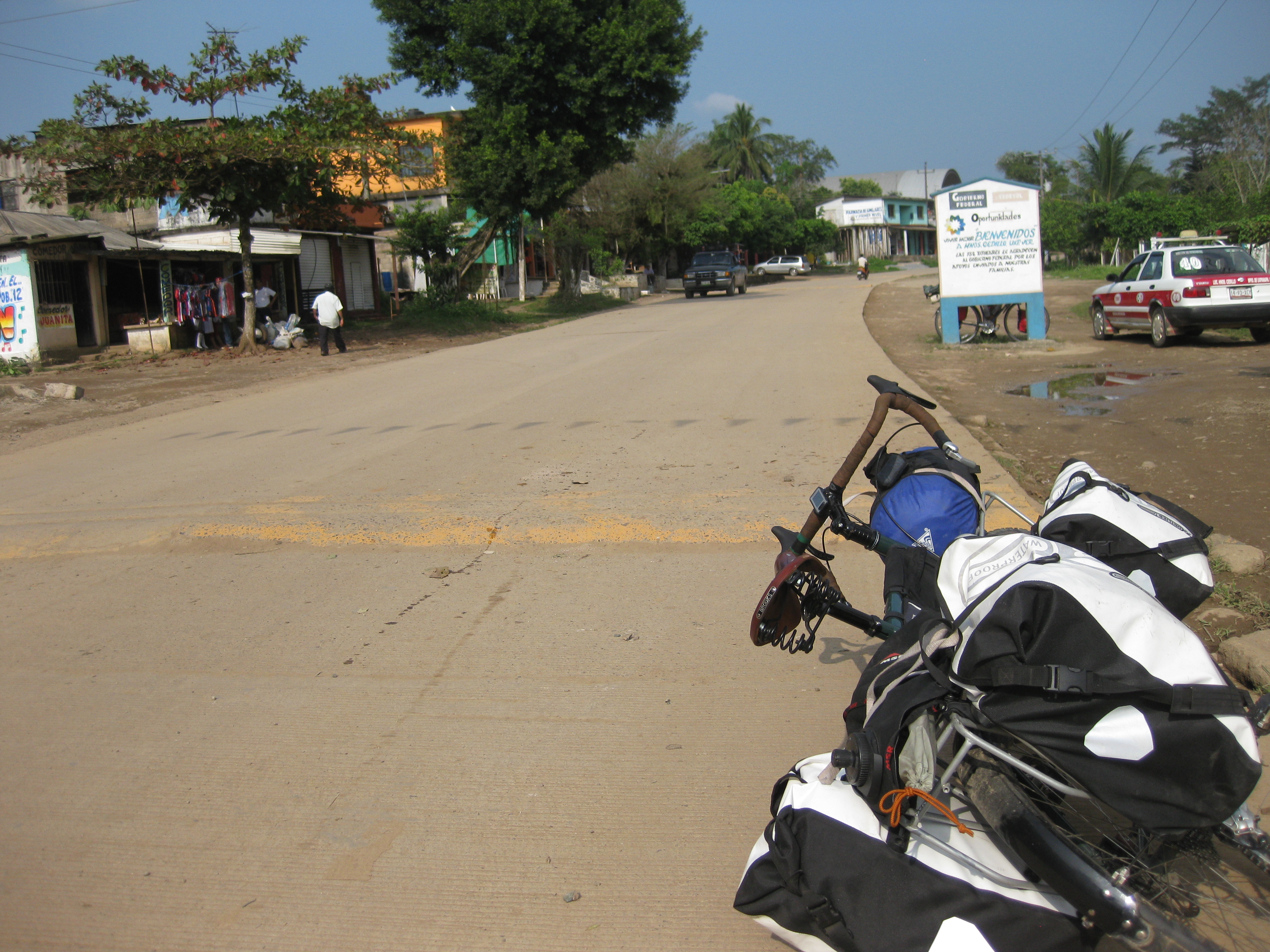
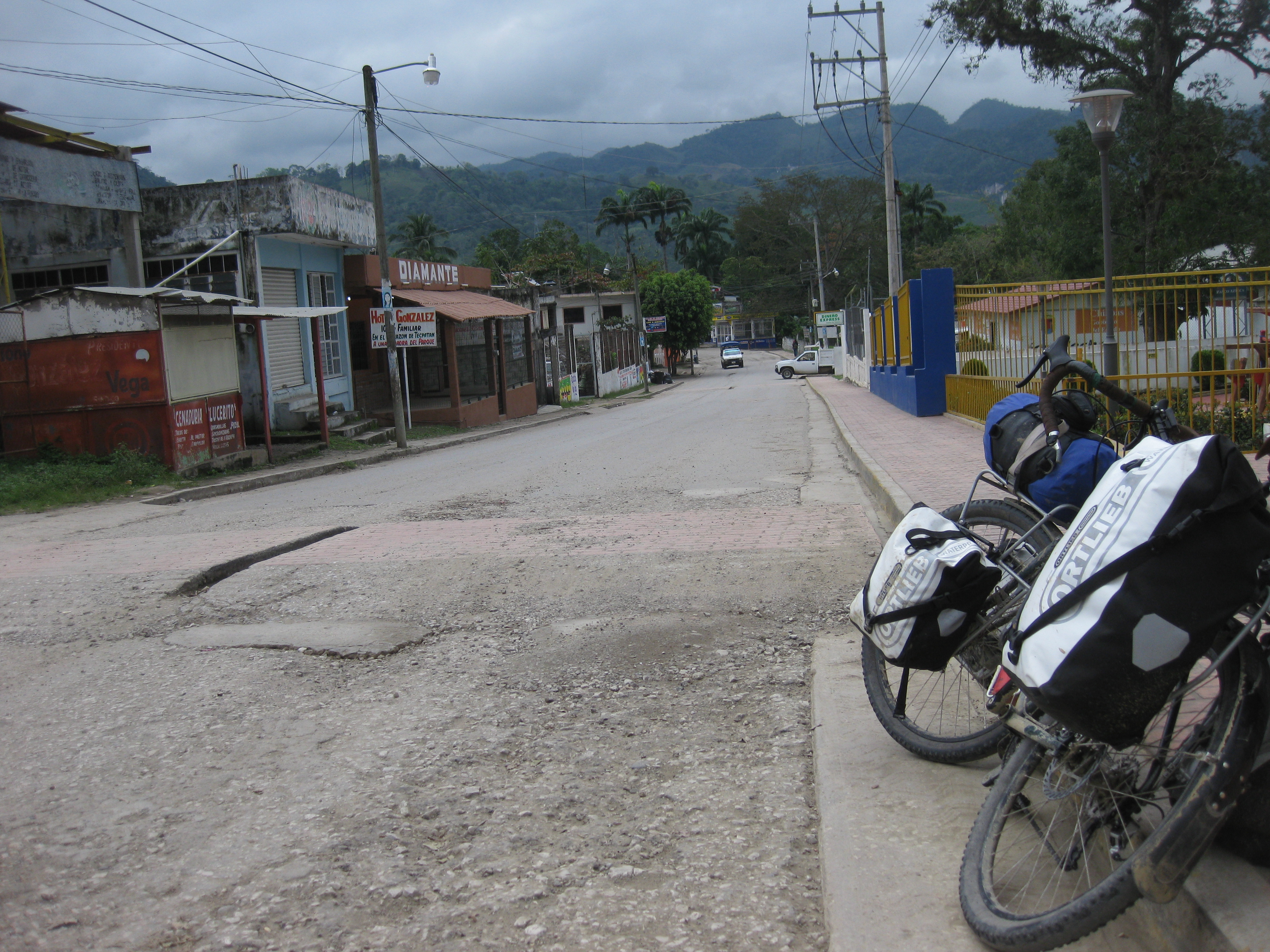
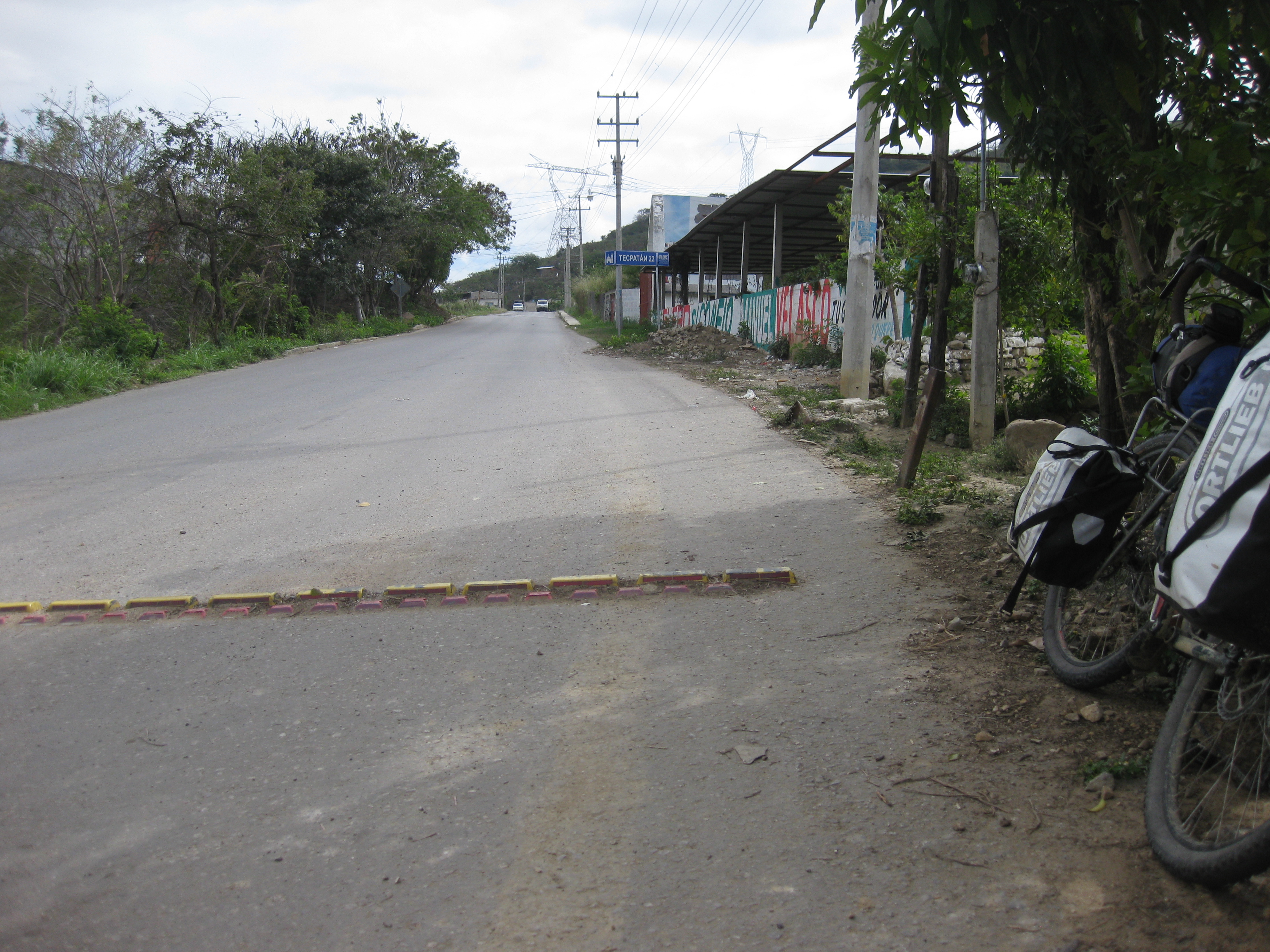
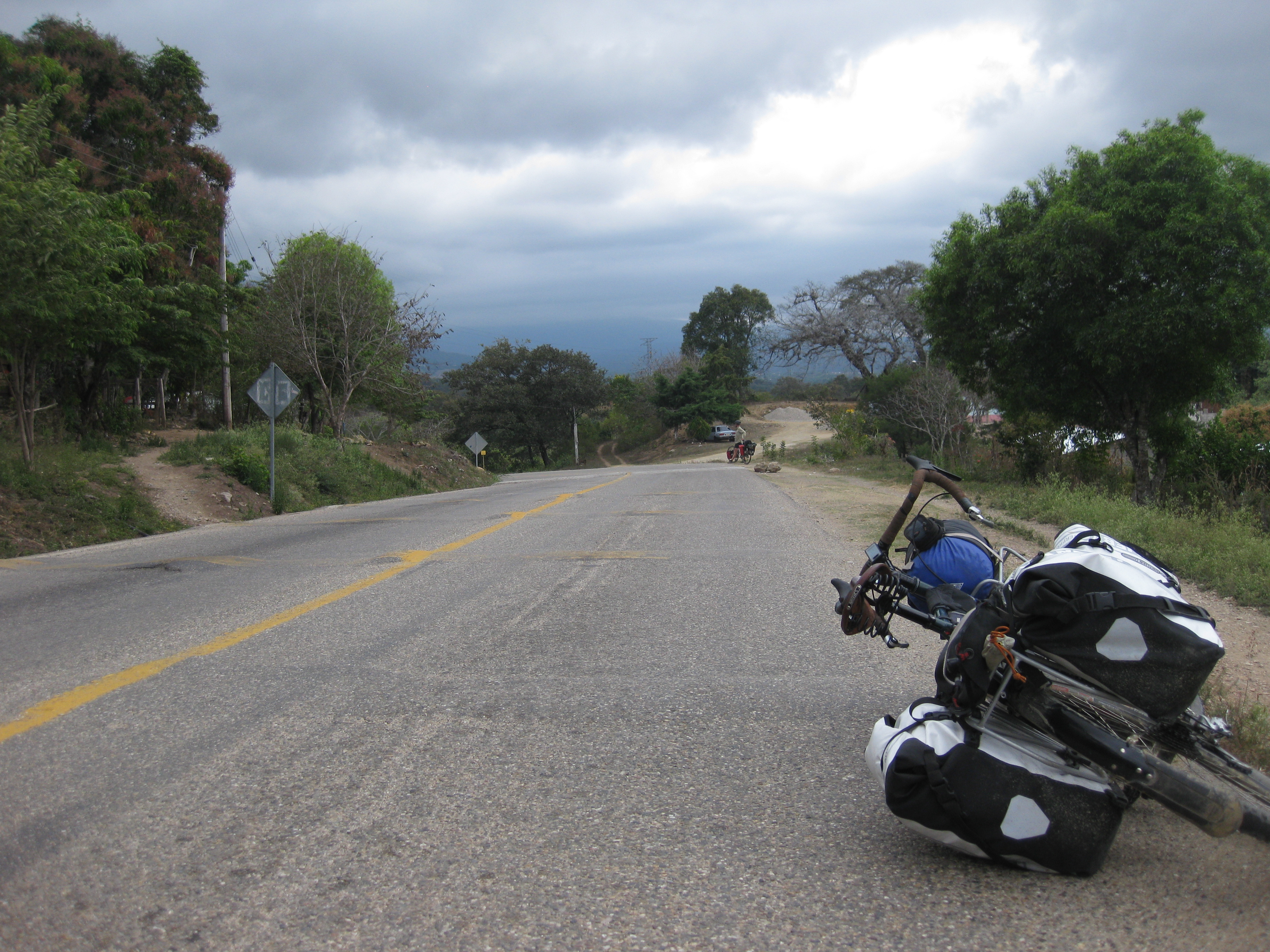
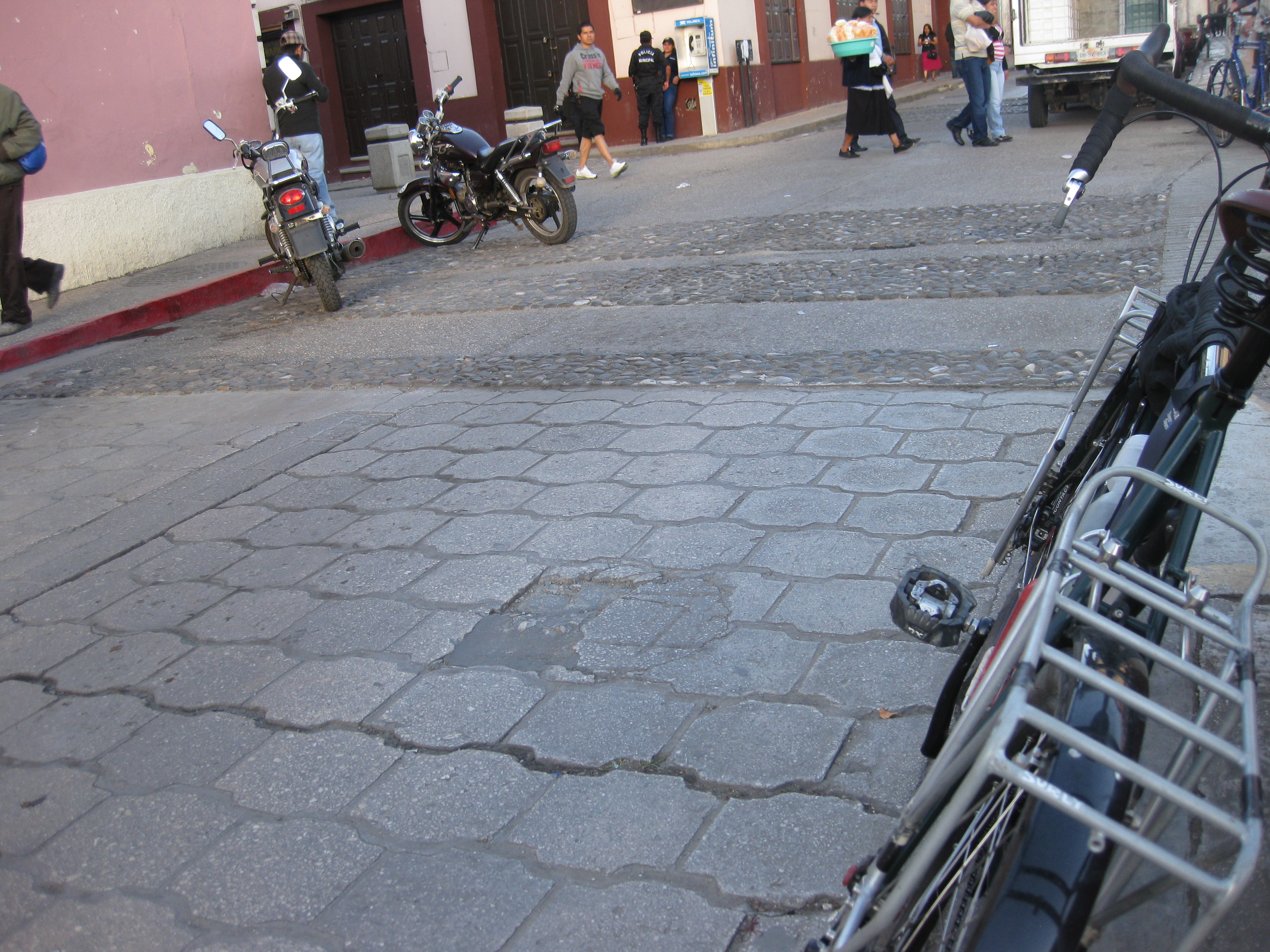
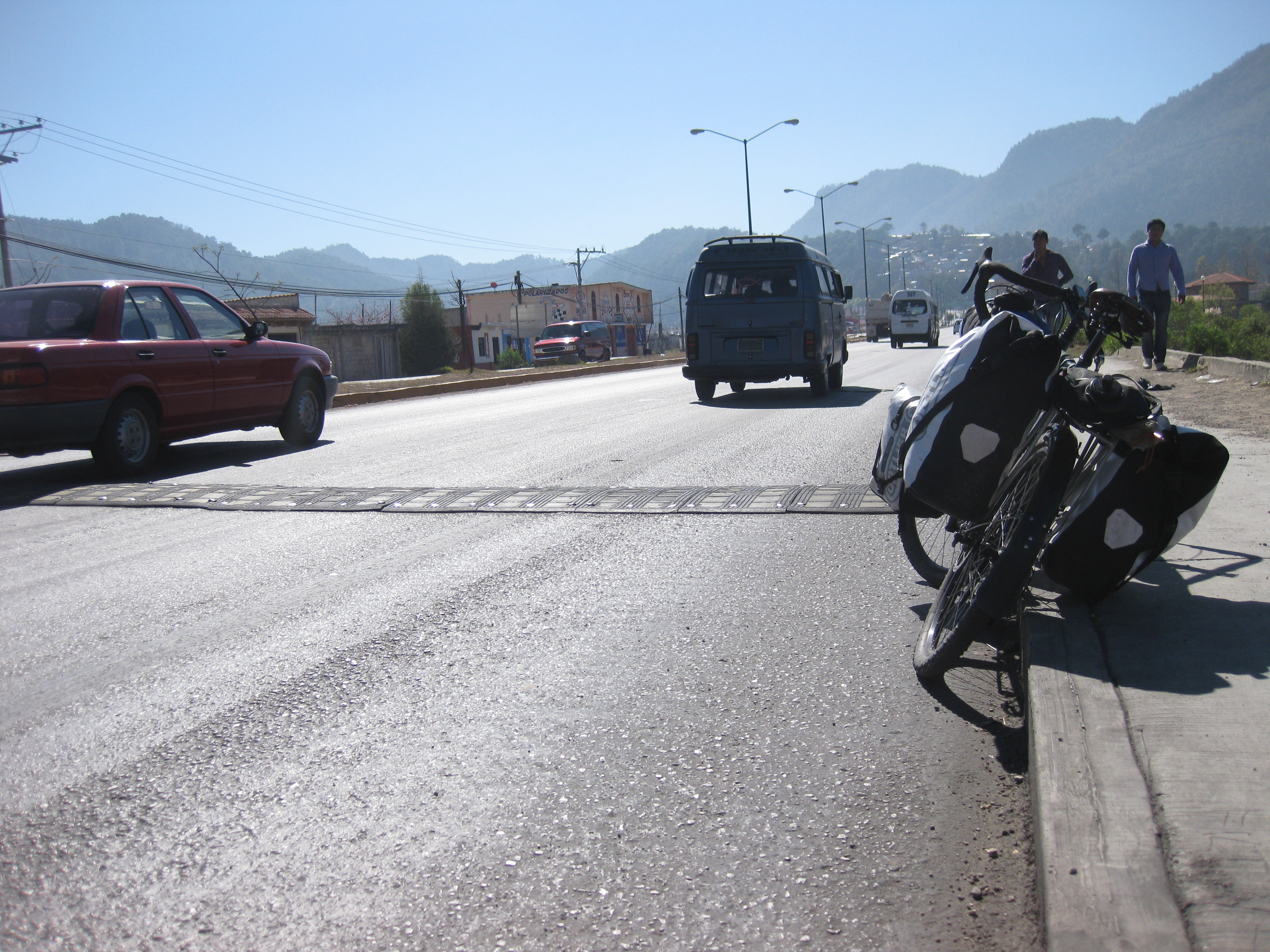
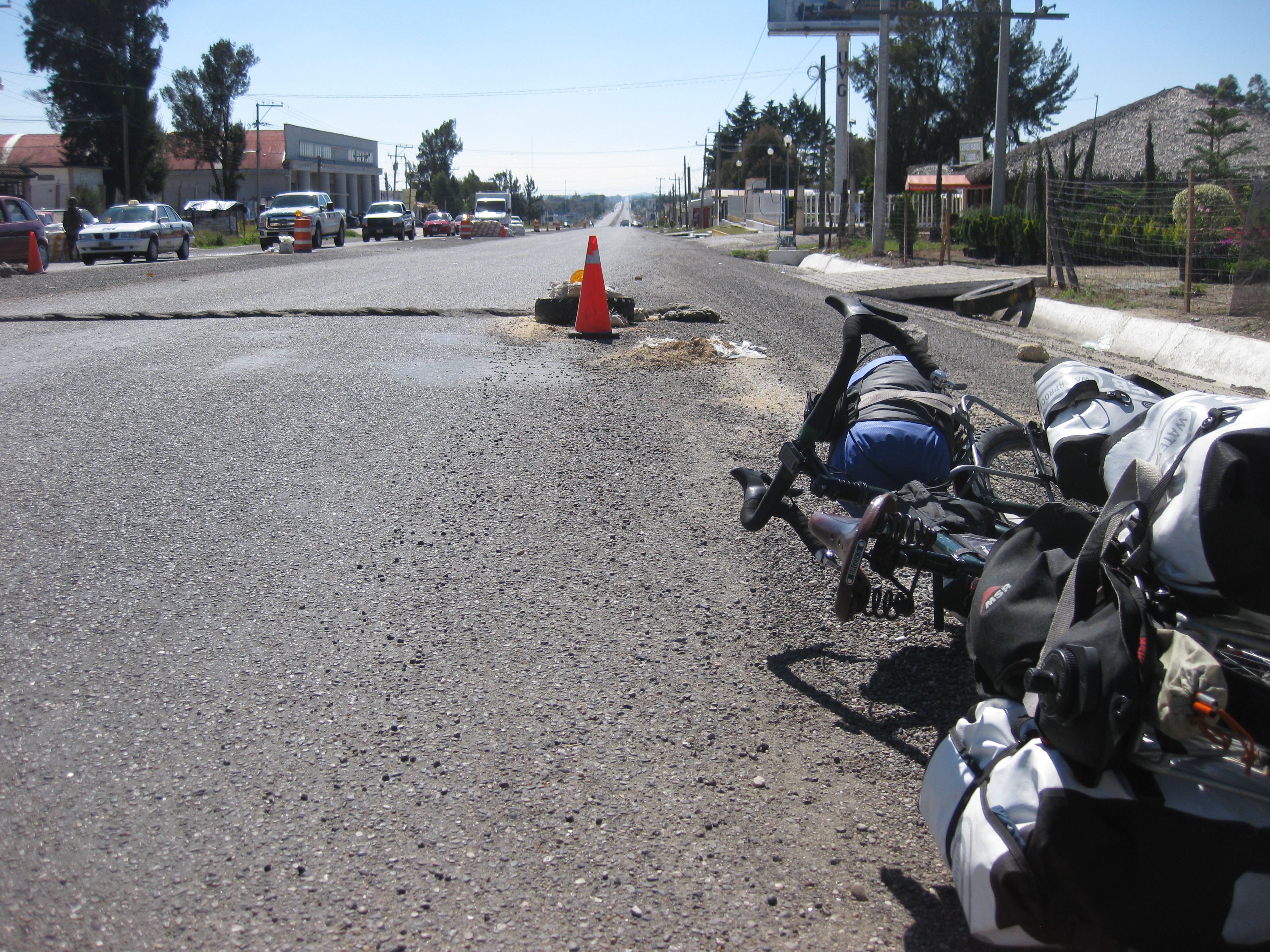
The culmination of months of work, my photojournalism project documenting the abhorrent lack of freedom endured by Mexico’s people as reflected in the continued prevalence of a colonial vestige: el tope.
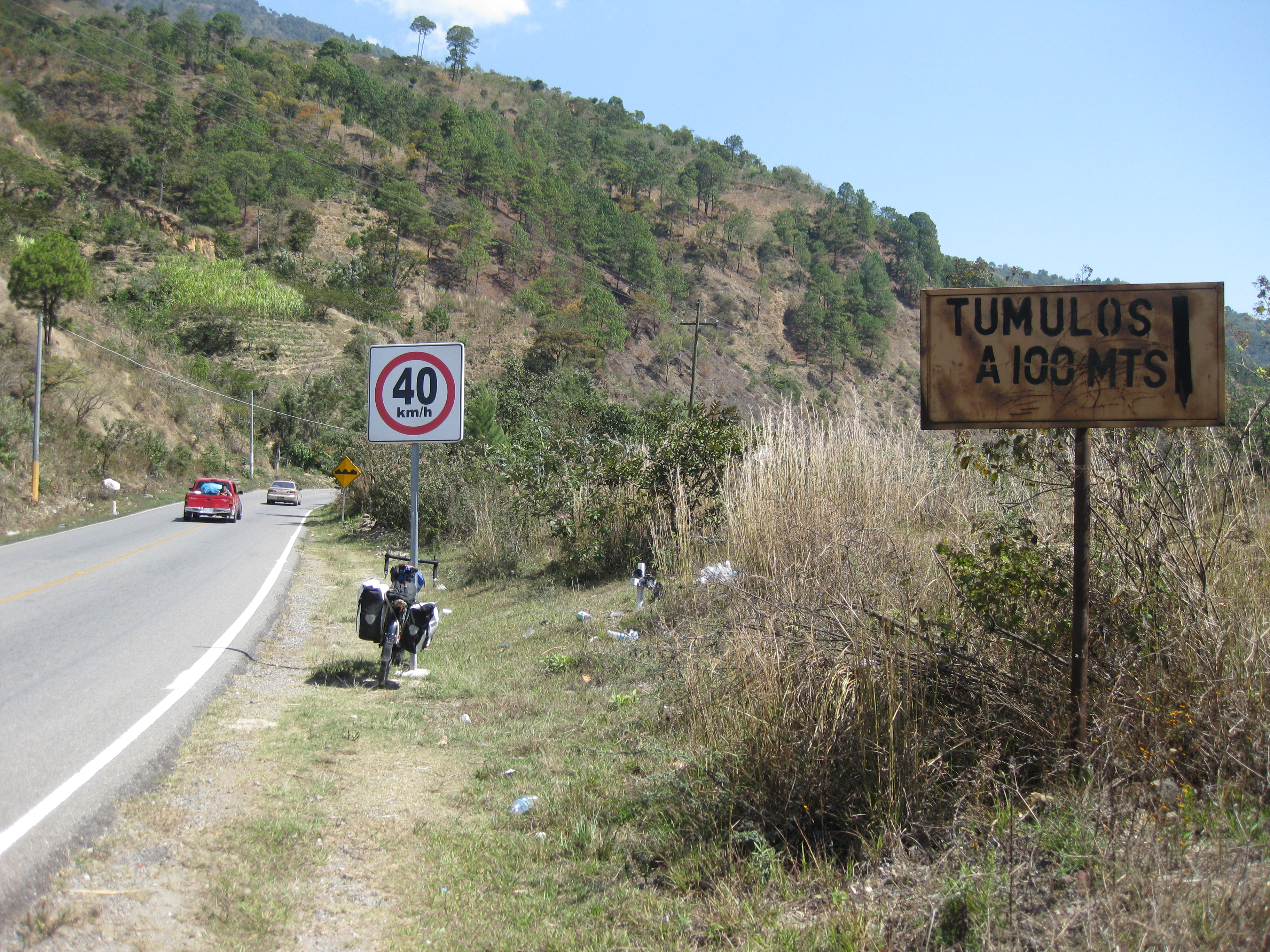
Mexico suffers from an epidemic so pervasive that most residents are unaware of its pernicious effects and unendemic origins. The concept was initially brought from Europe during the Spanish conquest of the Americas and was tradionally used for psychological warfare, harassment in a sense. It was initially seen in very primitive and crude forms, of which artifacts have scarcely survived. The years that ensued after the arrival of the Spanish, and for the entirety of their presence in Mexico, were marked by fierce resistance on the part of indigenous peoples and a lack of cohesion amongst the colony. This lead to the development of an institutionalized form known as a Tùmulo, a named still used in Guatemala despite its brutal etymology, that translates to ‘tomb’ or ‘burial mound.’
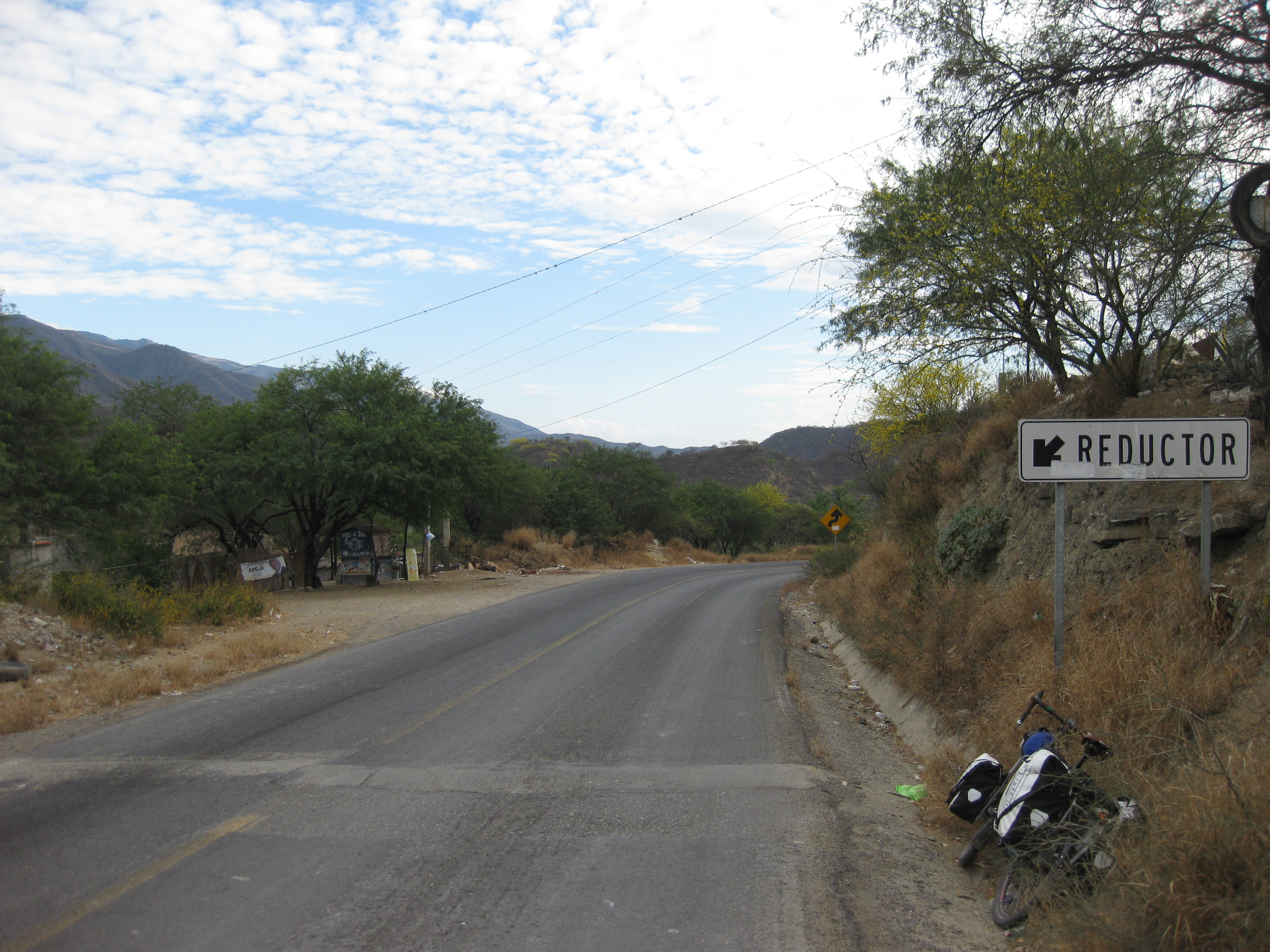
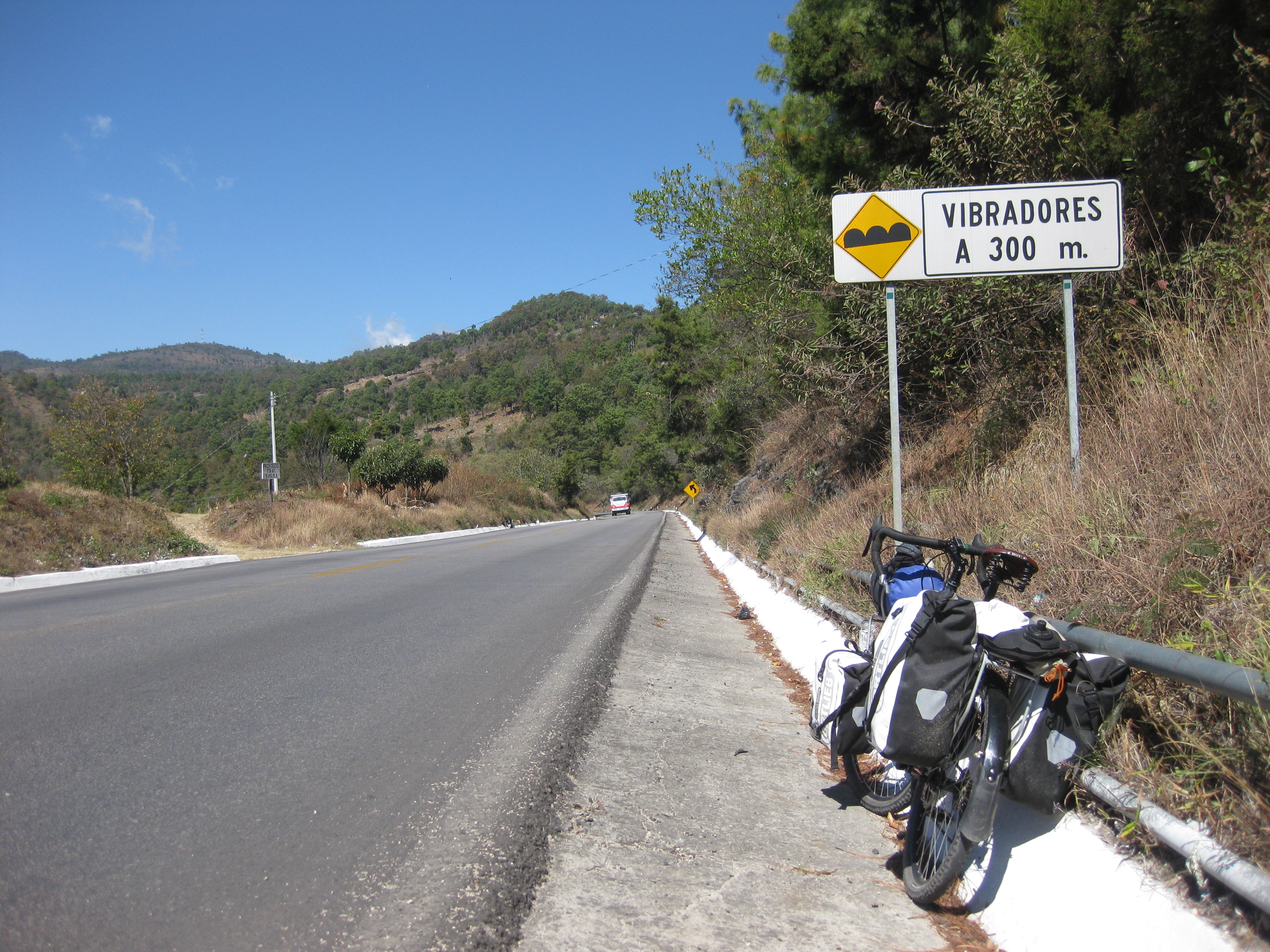
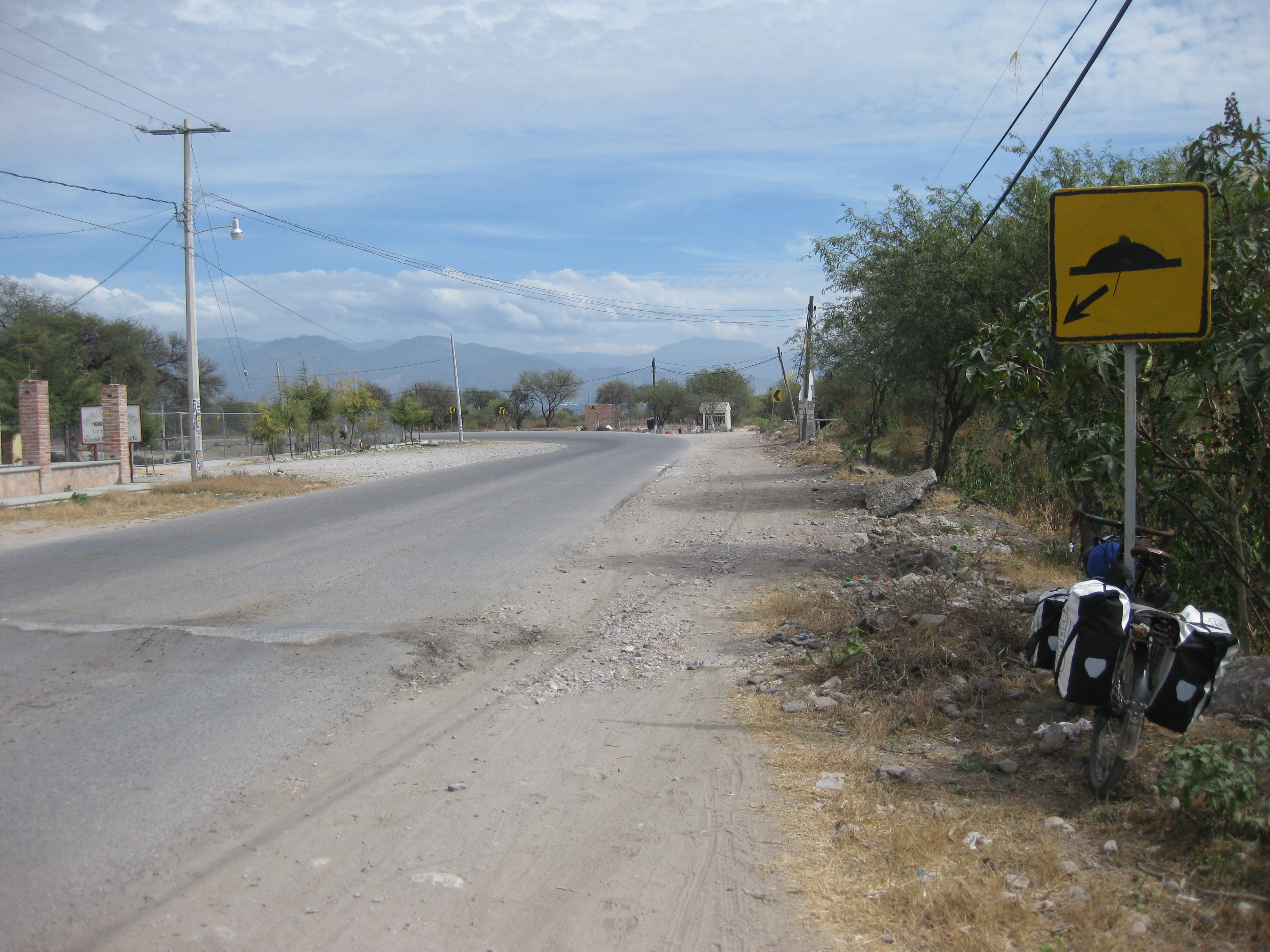
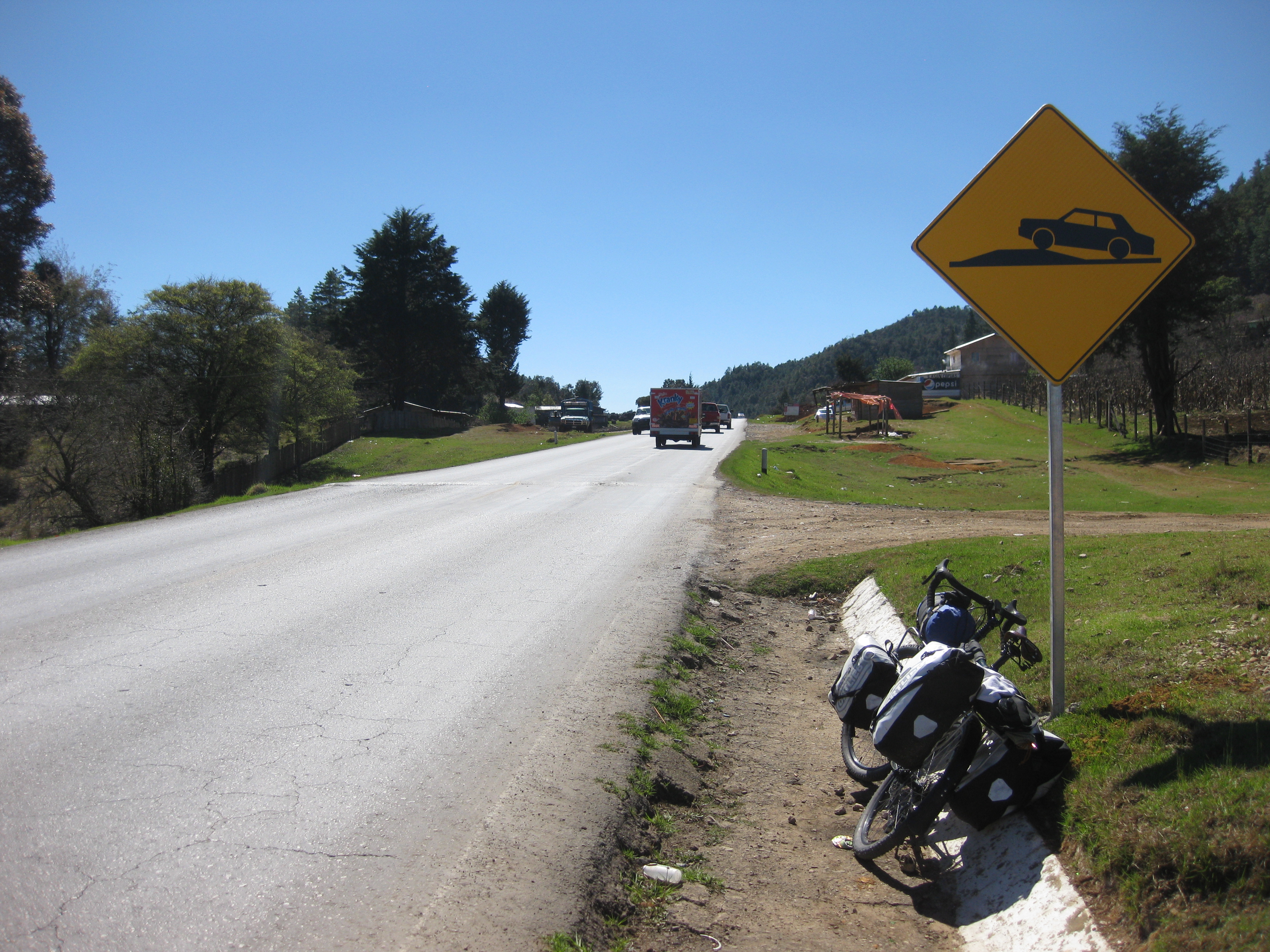
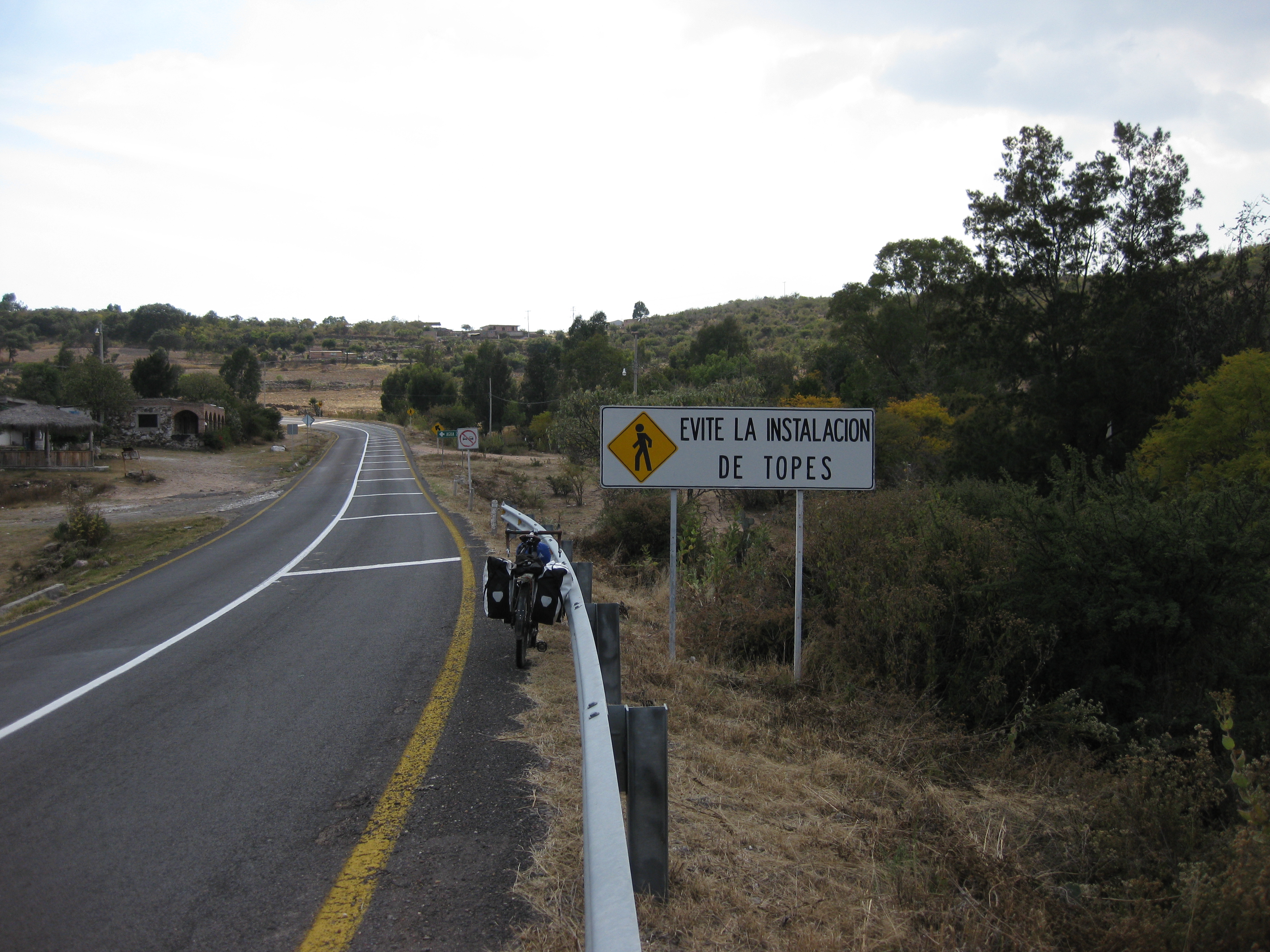
Mexico, ever since its emancipation from the dominion of the crown, has been nothing but an aristocracy cloaked in the pleasing rhetoric of democracy. The need for oppression to assure order has never dissapated and neither has the existence of Tùmulos. In fact, they have proliferated since independence under a multitude of different names and physical forms intended to obscure the device’s origin: vibradore, tope, reductor and through signs adopting Mayan glyphs that are universally intelligible in the linguistically diverse nation.
Although stripped of their previously potent form and only seen in muted representations, their existence is a reminder of where power lies. The aristocracy has consolidated power and managed to create a market within this country, through legislation, for something seen as an oppressive burden on citizens and commerce in almost every other part of the world. The tope construction industry has come to consume to an estimated 25%-27% of the GDP of the 13th largest economy in the world. Tope related industires, such as car repair and tope maintenance contribute an additional 7% to this number.
I set out on my bicycle from the United States three and a half months ago to document this sad phenomenon.I was forced to go through the motions of being an abhorrent Western tourist in order to gain access to several tense tope terretories: pretending that I am interested in churches, Chinese-made trinkets, finding good coffee and eating pizza. I was forced to discuss ‘how incredibly cheap everything is!’ and which is the best party beach. All of this time I had only one thing on my mind, one major bump to me enjoying myself: topes. I felt the jar of the topes in my body and in the components of my bicycle. I watched families on their way to picnics grinding the bottom of their vehicles across a dozens of topes in a row serving no purpose other than antagonization. I have flown down dozens of mountains in elation only to have my smile fade as I am repeatedly warned by signs that this cannot continue, losing all of the momentum that I built up over hours of climbing. I have seen the localized resistance, the valiant guerrillas fighting against a faceless industrial enemy with their barehands, taking to the streets wielding sledgehammers and picks to create safe passage for their compadres.
I was quiet about my cause, only was stopped once and questioned by the military as I took pictures of a tope near a checkpoint, where I was forced to lie, telling them that I wasn’t taking pictures of the tope, just documenting their communications equipment and technology for publication on the internet. To avoid responding to too many emails I have the following to say to you: You are welcome. Here is what I found:
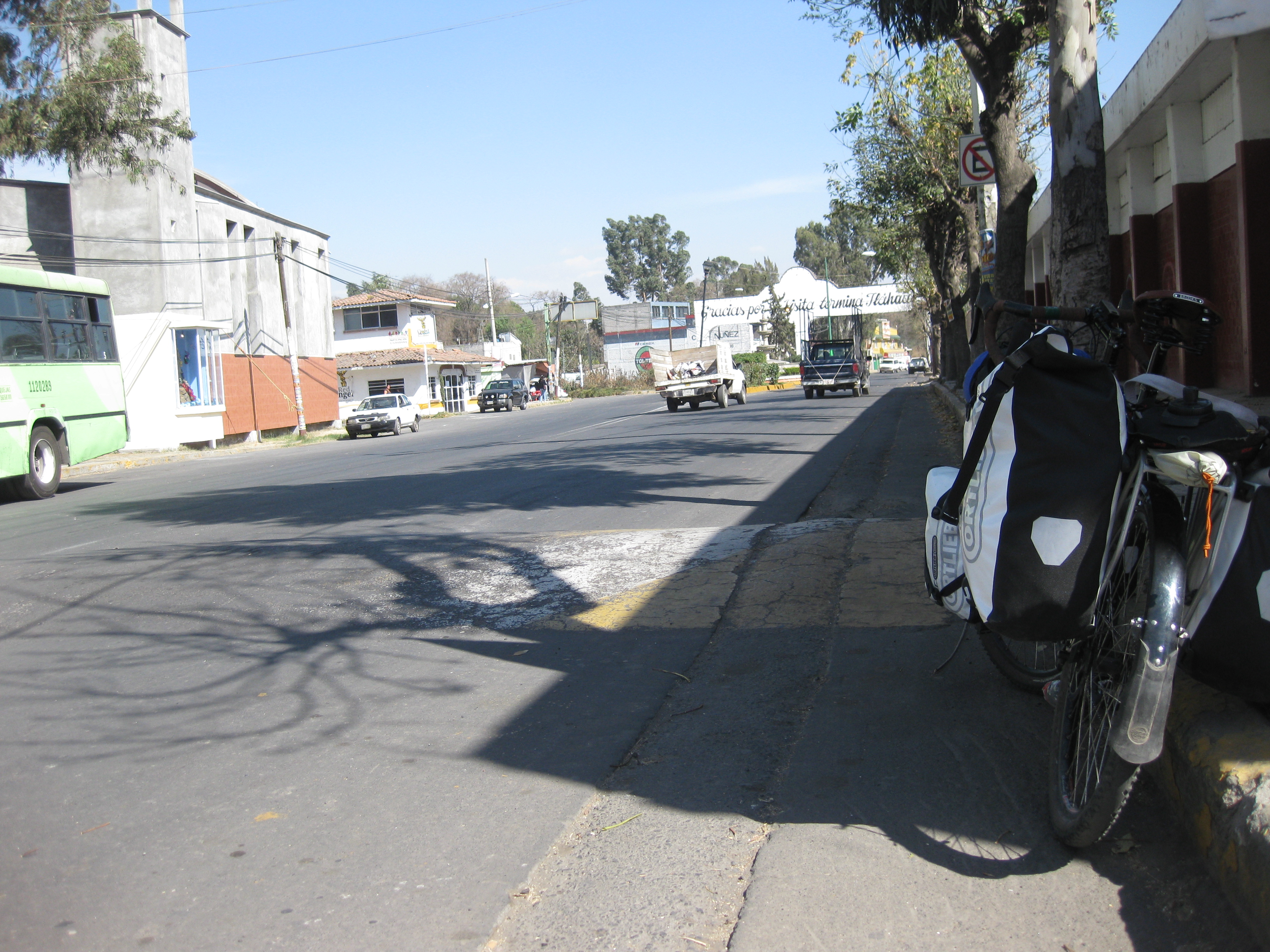
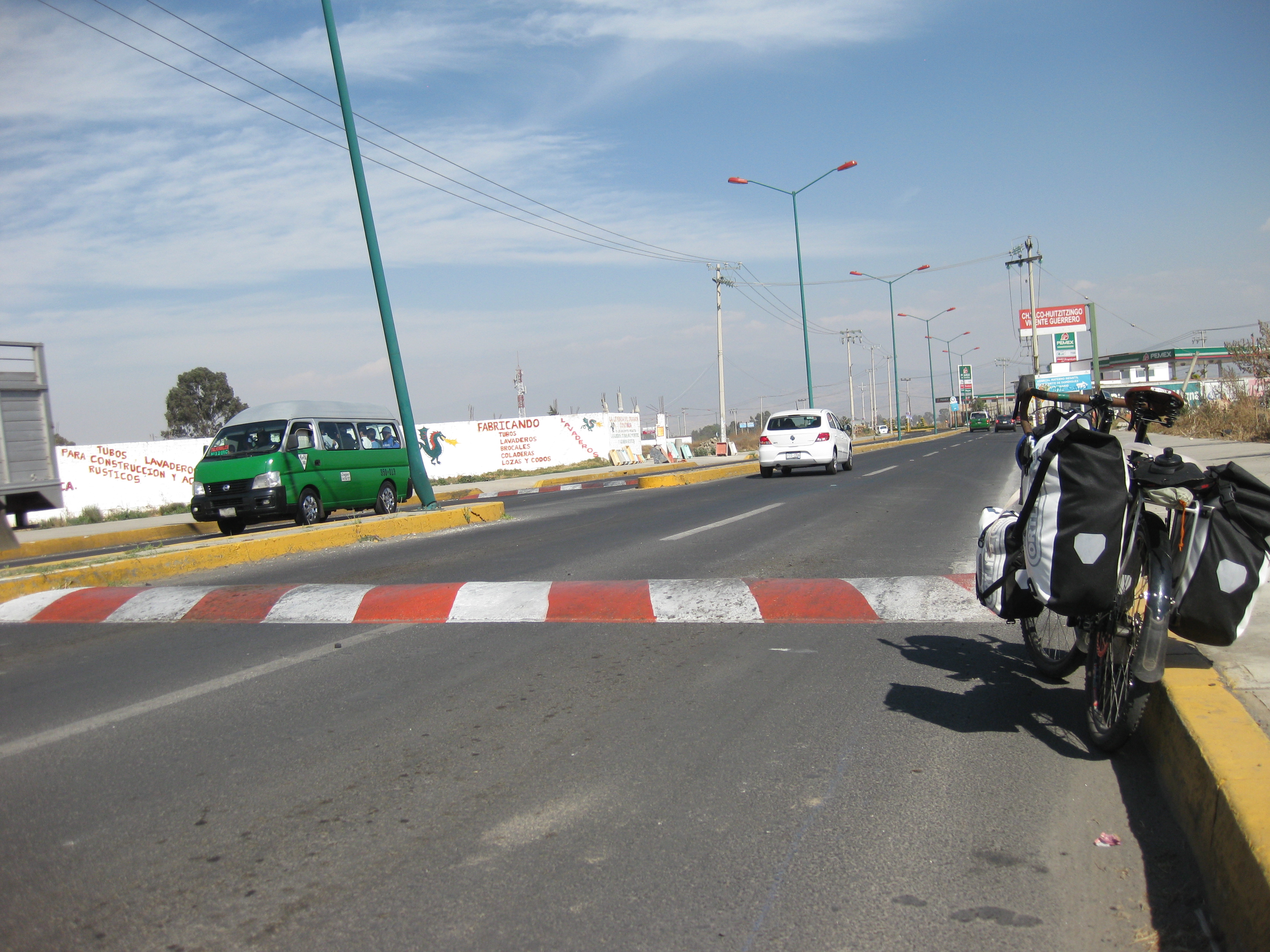
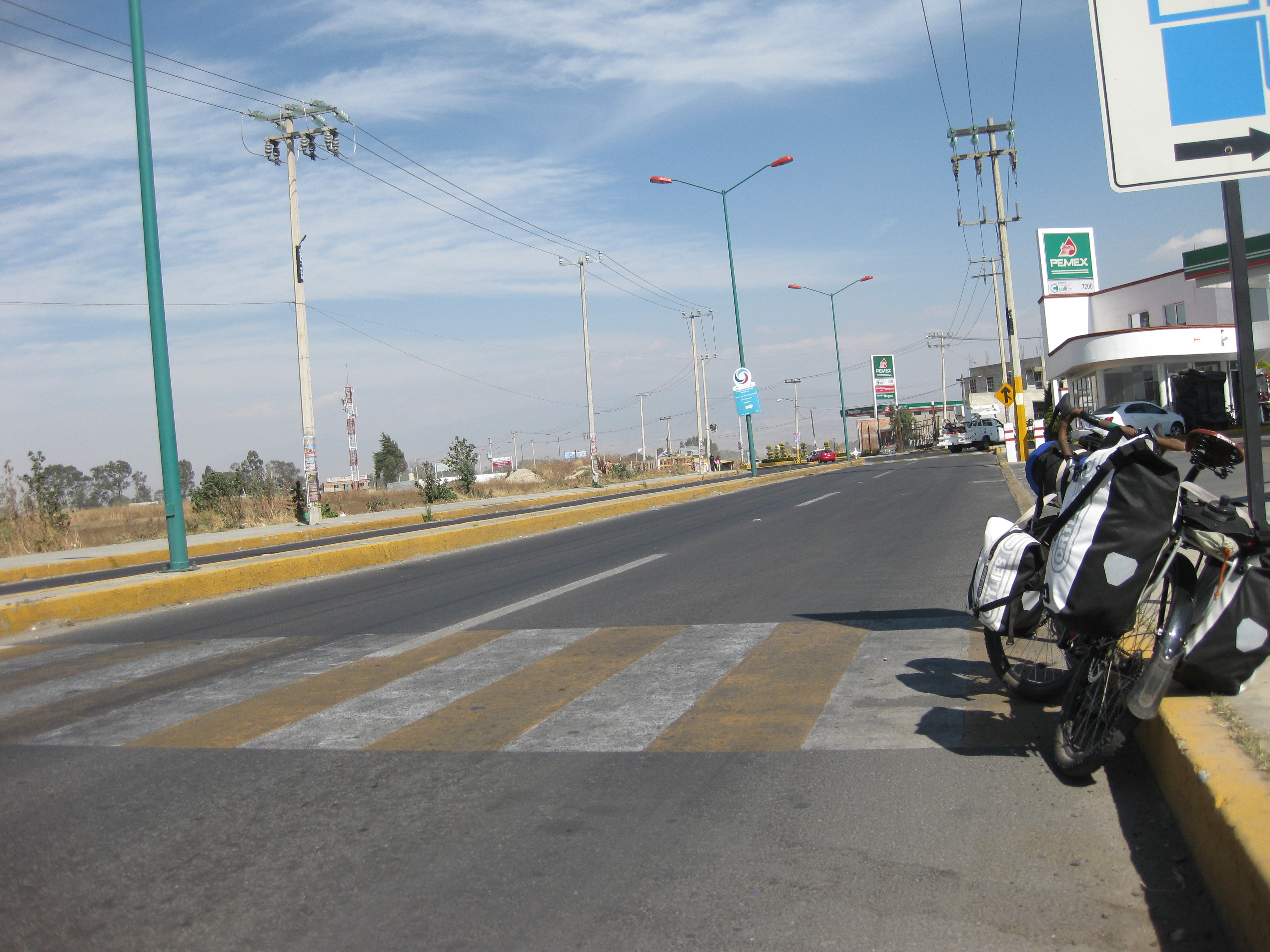
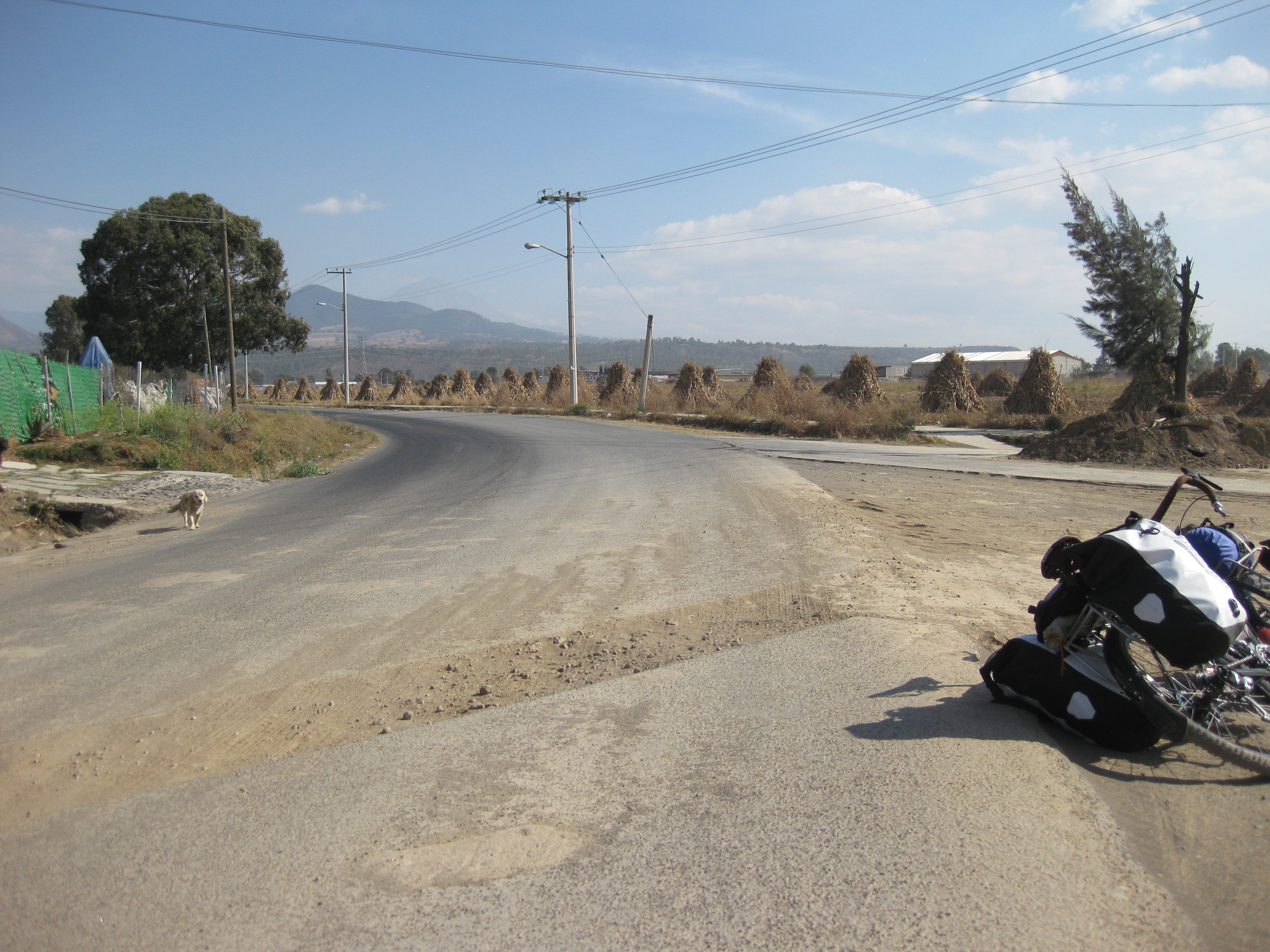
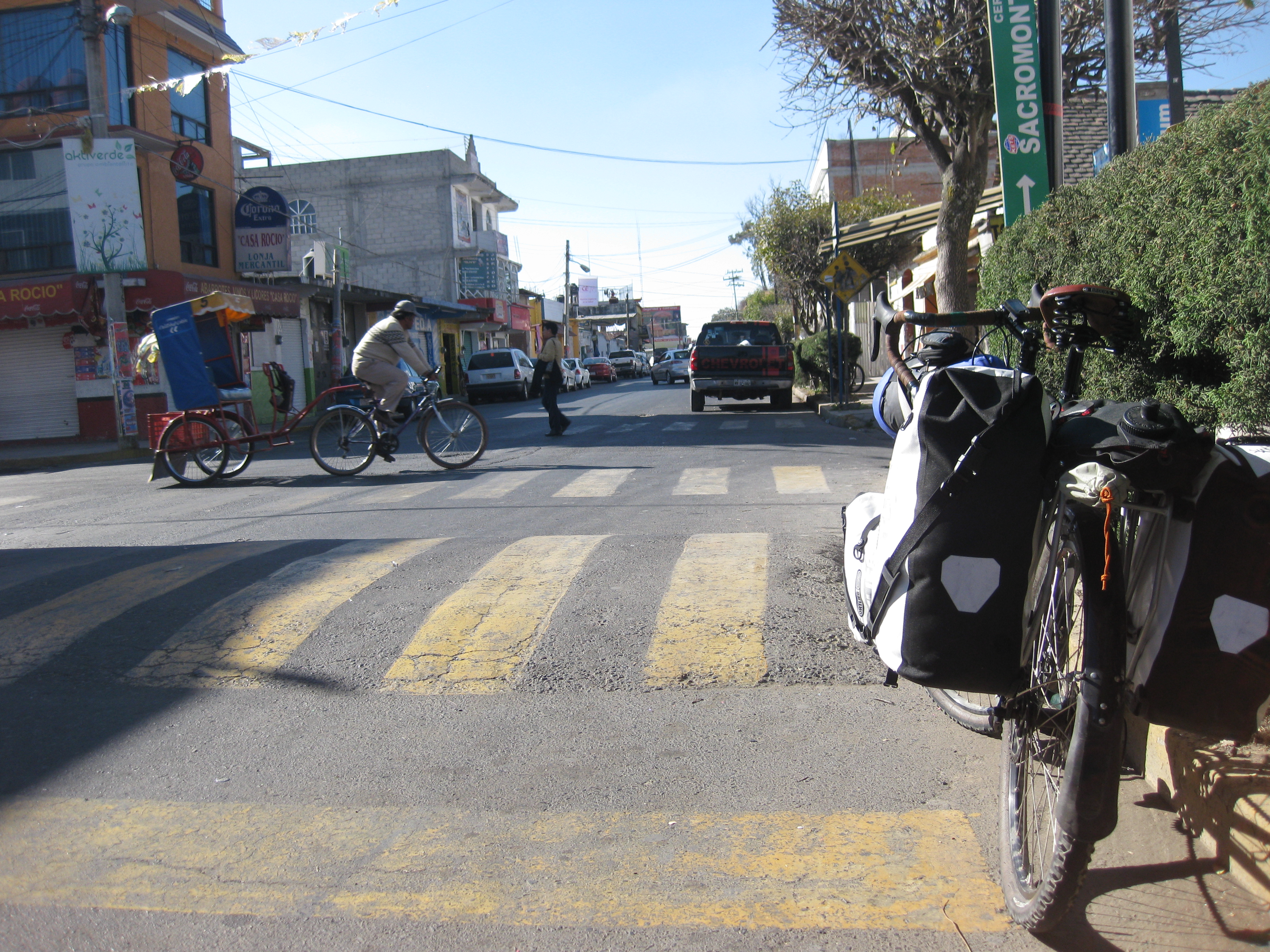
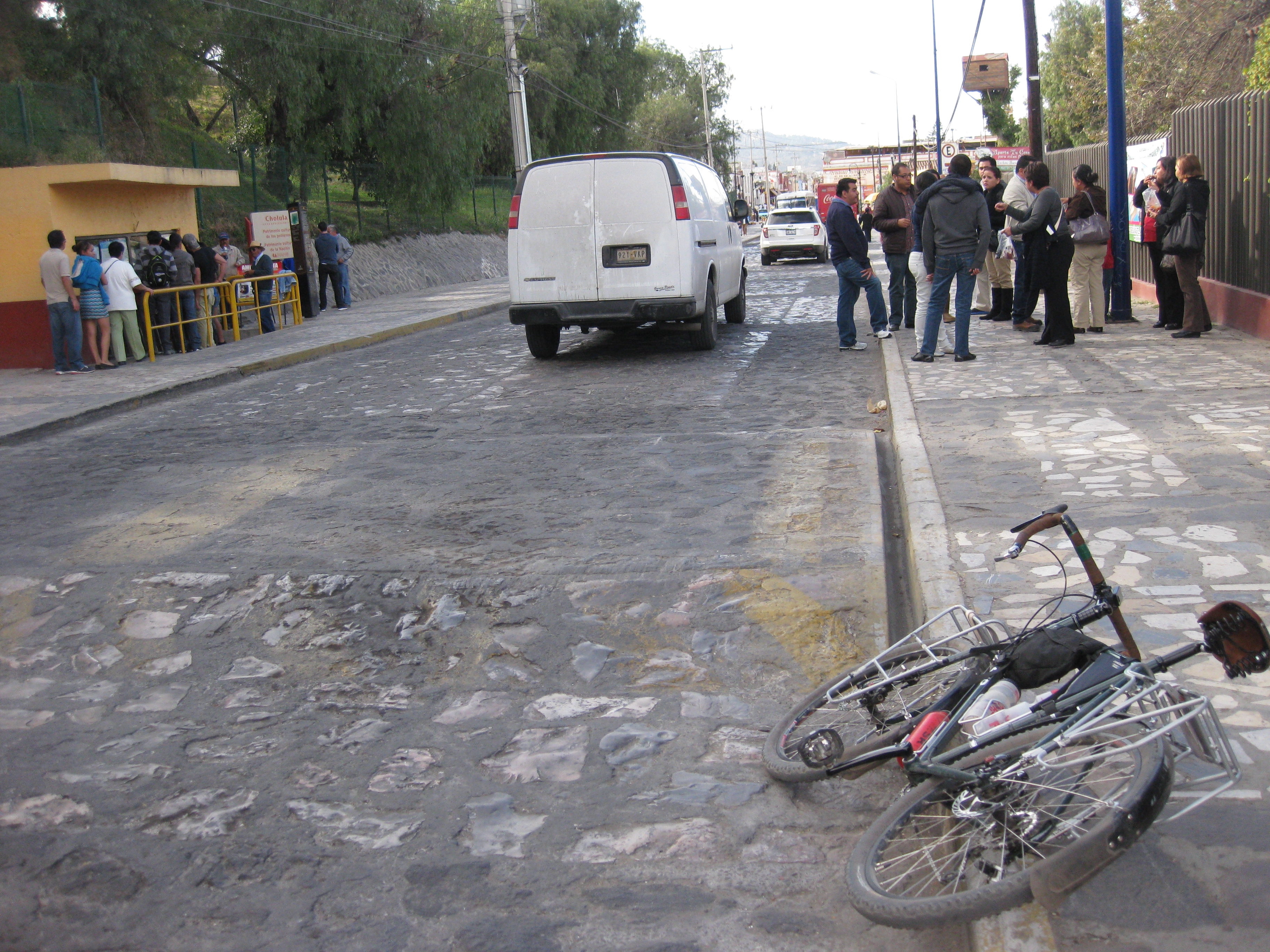
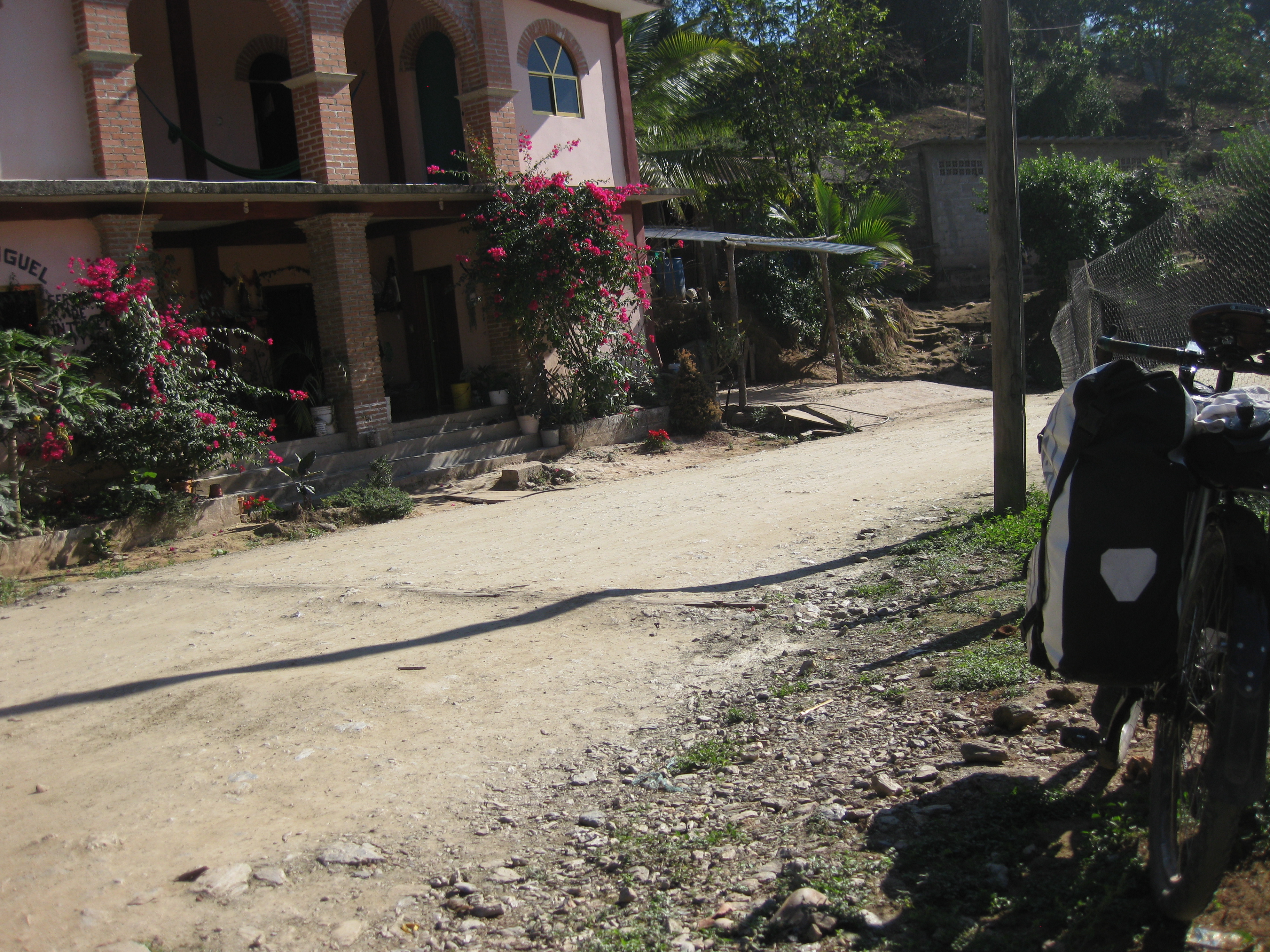
Estado de Michoacan: Threat of tope installation.Distrito Federal. Half ellipse. Faded white/yellow stripes on Asphlant. Obscure on approach.Estado de Puebla: Steep approach, half ellipse. Brilliant red/white striped Asphalt.Estado de Puebla: False form. White/yellow.Estado de Puebla: Reverse tope. Loose soil/gravel on Asphalt.Amecameca, Puebla: Half ellipse. Asphalt.Cholula, Puebla: Lengthy trapezoid. Cobblestone.Patria Nueva, Puebla: Densely clustered domes. Yellow on steel.San Nicolas Huajuapan, Puebla: Half ellipse. Dirt.San Juan Atzompa, Puebla: Triangular. Brick underlaid with concrete (presumably).Tepexi Rodriguez, Puebla: Trapezoidal with ridges. Concrete.Outskirts of Oaxaca de Juarèz, Oaxaca: A formation of domes. Yellow on steel.Asunciòn Cacalotepec, Oaxaca: Used tire tread.San Juan Cotzocon, Oaxaca: Half ellipse. Wood reinforced with gravel.Poblado Cinco, Veracruz: Three domed ridges. Concrete.Outside Copainala, Chiapas: Long trapezoid. Brick core with concete approach.Copainala, Chiapas: Formation of trapezoidal reflectors. Plastic.Outside Soyalò, Chiapas: Formation of half ellipses. Asphalt.San Cristòbal de Las Casas, Chiapas: Rectangular multimedium. Concrete with river cobble inlay. Outside San Cristòbal de Las Casas, Chiapas: Rectangular. Plastic with steel anchors.Outside Comitan de Dominguez, Chiapas: Round. Rope.Outside Huehuetenango, Quichè, Guatemala: Natural.