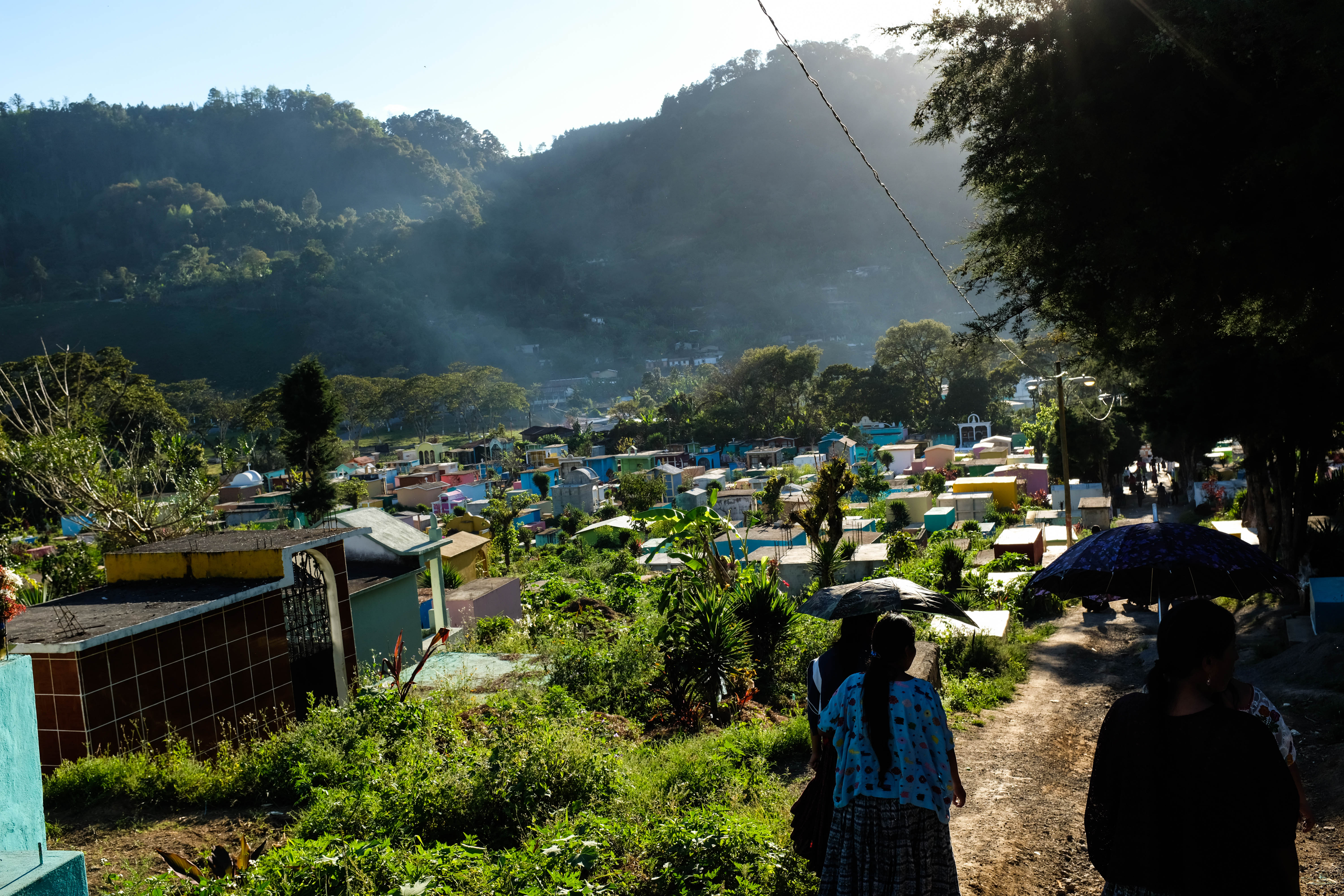
Category: memoir

  • finding my spirit in death valley

    finding my spirit in death valley

    I had relished a vision of life in my travels that has continued to thrive inside of me, years after all of the other things I contracted on those trips have gone. It may lay dormant for a time, but a fever begins if too many of the following preconditions are present at any given moment: mundane work routines, traffic jams, gradual wealth accumulation that has no clear purpose, planning more than one year in advance, mainstream news, two weeks of vacation a year and holidays that involve excessive materialism. For years I had used this vision to guide me. I lived a wild and carefree existence.
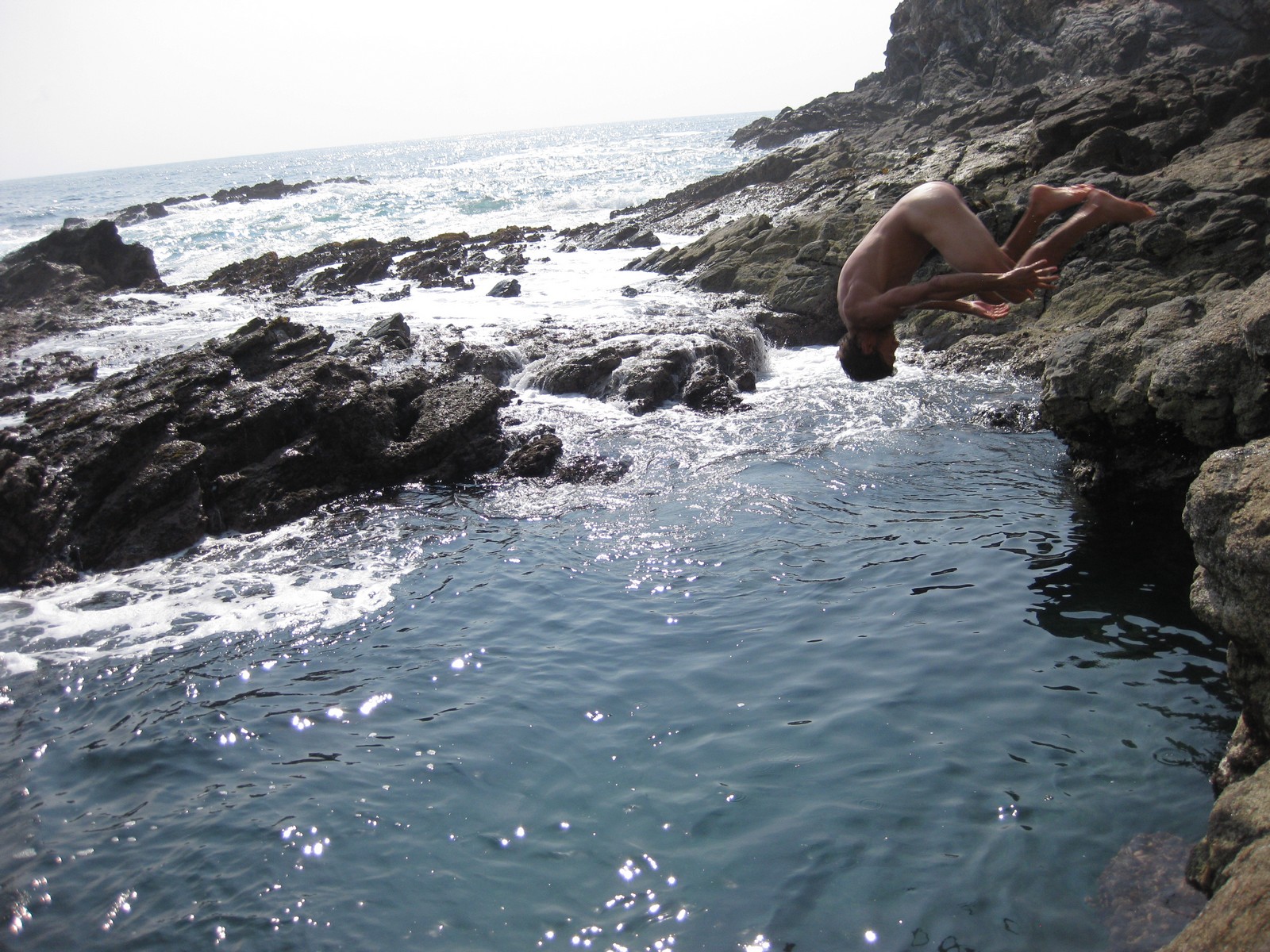
    During these years I roamed far and wide, floating rivers, roaming in the mountains and sleeping outside under the stars. These were years of cheap beer, whisky out of plastic jugs, occasional dumpster diving, mushrooms as a regular part of my diet, naked parties, and free love despite the fact that many of us smelled terrible (me) as we (me) primarily bathed in the river. I would work half the year almost every day and then spend half of the year as free as a bird. Six months hitchhiking through Mexico and Central America. Five months riding my bike to Guatemala. I met a girl on that trip – Lauren – who I happily let throw a wrench in my spokes, which led to me staying in Guatemala seven more months. Then we moved to New York City for seven months. Then we moved to Mauritius for seven months. The time blurred by.

    After living in Mauritius, my relationship with Lauren was frayed and I felt mentally exhausted. The past few years had reinforced my belief that the instability and lack of direction in my life was going to make it difficult for me to have many experiences or things that are considered a natural part of one’s life progression like a wife, sharp kitchen knives, a house, a garden, a dog, or kids. I thought I might want those things later on, so I figured it would be wise to plot a course in that direction as I had just turned 30. I decided that my years of rambling were coming to an end, that it was time for me to start a career and move on the next phase of my life.

    I decided to move to the Western slope of Colorado to do a work-trade program at a solar trade school that permitted me to study renewable energy system design and construction. At the end of the work-trade program, I was offered a job based out of Salt Lake City, Utah managing renewable energy projects. This move was sadly also the end of my relationship with Lauren. I settled into my position in Utah making far more money than I had ever made beforehand and found myself as a cog in the humming American economy.  I worked diligently, slaving away at the ‘ol sun mine. I slept on a mattress on the floor of a shared house, paid minimal rent, drove my beat-up old car and cooked nearly all of my own meals.

    After a year and a half, I felt uncomfortable, like I didn’t fit in, like something was missing. I had no urge to do any of the things that I had imagined I might want to do with my new found wealth and stability like have a wife, kids, a dog or a house. I spent quite a few months depressed, earnestly struggling to understand or at least suppress my feelings. Where could I go from here? I couldn’t go back to traveling, in my mind those times had come to an end. In any case, I was reluctant to make any significant changes as I had invested so much into this life change and it had cost me my relationship with Lauren. I saw my previous existence as simply escapism and hedonism; I was framing my life in a series of binaries: stability or instability, rootedness or nomadism, growth or escapism, deep relationships or ephemeral relationships. I thought that stability inherently translated to personal growth. After a year and a half it was clear that there was something inside me though – let’s call it an idea – that was firmly lodged between the lobes of my brain that was telling me to leave, that was telling me that this life wasn’t right for me. Why am I constantly yearning to move? Why do other ideas or visions of life have no staying power or impact with me? Why don’t I have a nesting impulse or find sufficient joy in material goods to keep me working to buy them? Just like a parasite, ideas probably need a suitable host to flourish and some formidable ones had taken colonized me. I reached a breaking point and decided to take a trip with the hope that it would give me space and time to reflect.
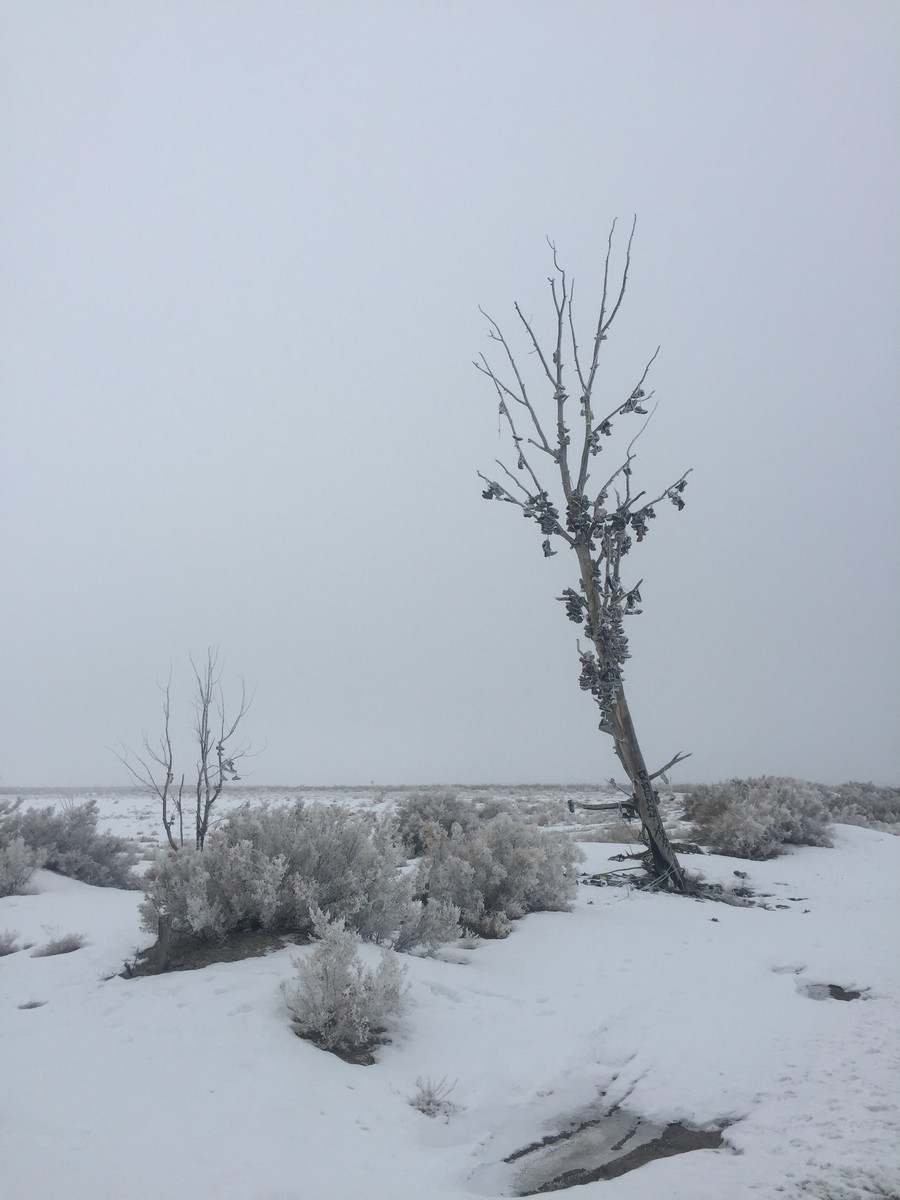
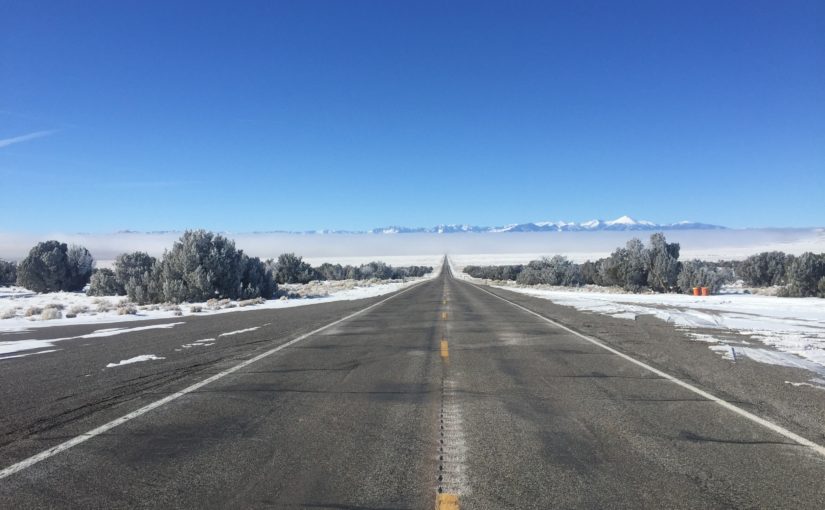
    I started my journey just after a blizzard had swept through the west and a cold, high pressure system had settled in. I left headed for the wilderness in Death Valley, California; this journey would be as much a physical journey as a mental journey. I drove for several days, camping at hotsprings amidst the white landscape with a few other strange individuals. The nights were long and cold. I would stay in the hotsprings until just before I intended to go to sleep, haul my naked body out of the pot, dry myself with a towel as quickly as possible, put on a pair of underwear and my boots before running across the crunchy snow to my sleeping bag with my core still warm.
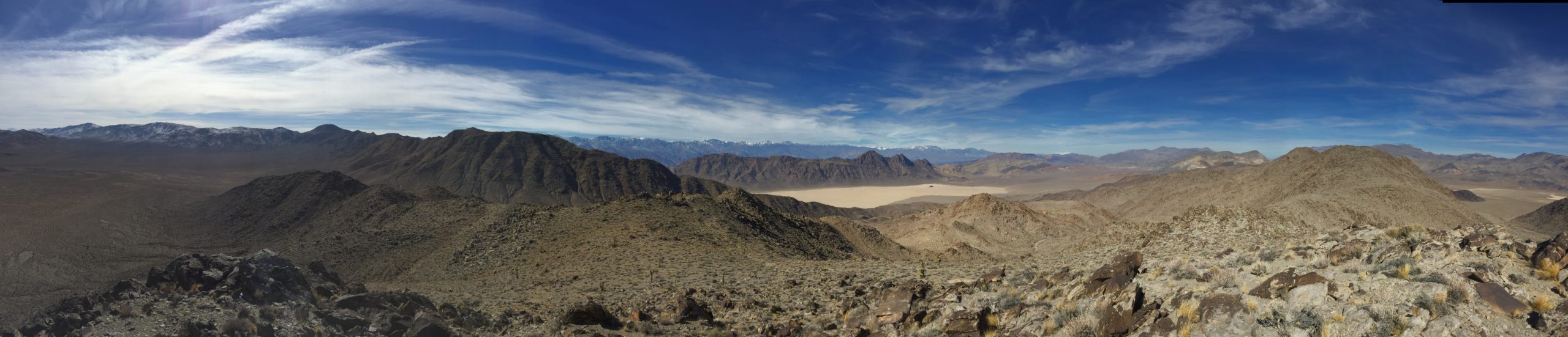
    My last night before arriving in Death Valley I sat in my tent late at night and examined a map of the area. I marked out a route to a desolate part of the national park where I could assuredly find solitude. Upon reaching this place I couldn’t sleep the first night. I got up and went outside my tent; I stood alone staring up at an infinite black ceiling scintillating with mystery, a sliver of a waxing moon lingering. I felt to the fullest degree separate, alienated. As I lay down in my tent, I found myself wandering through strange landscapes and unlived lives; I wondered how people lived before civilization and all of its distractions. Silence rang out around me apart from the sporadic chatter of two small rodents on either side of me. I felt swallowed by cold blackness. Sleeping outside by one’s lonesome can rive the façade of whatever convenient narrative we adopt to walk about this world. It can be hard to shut your eyes.
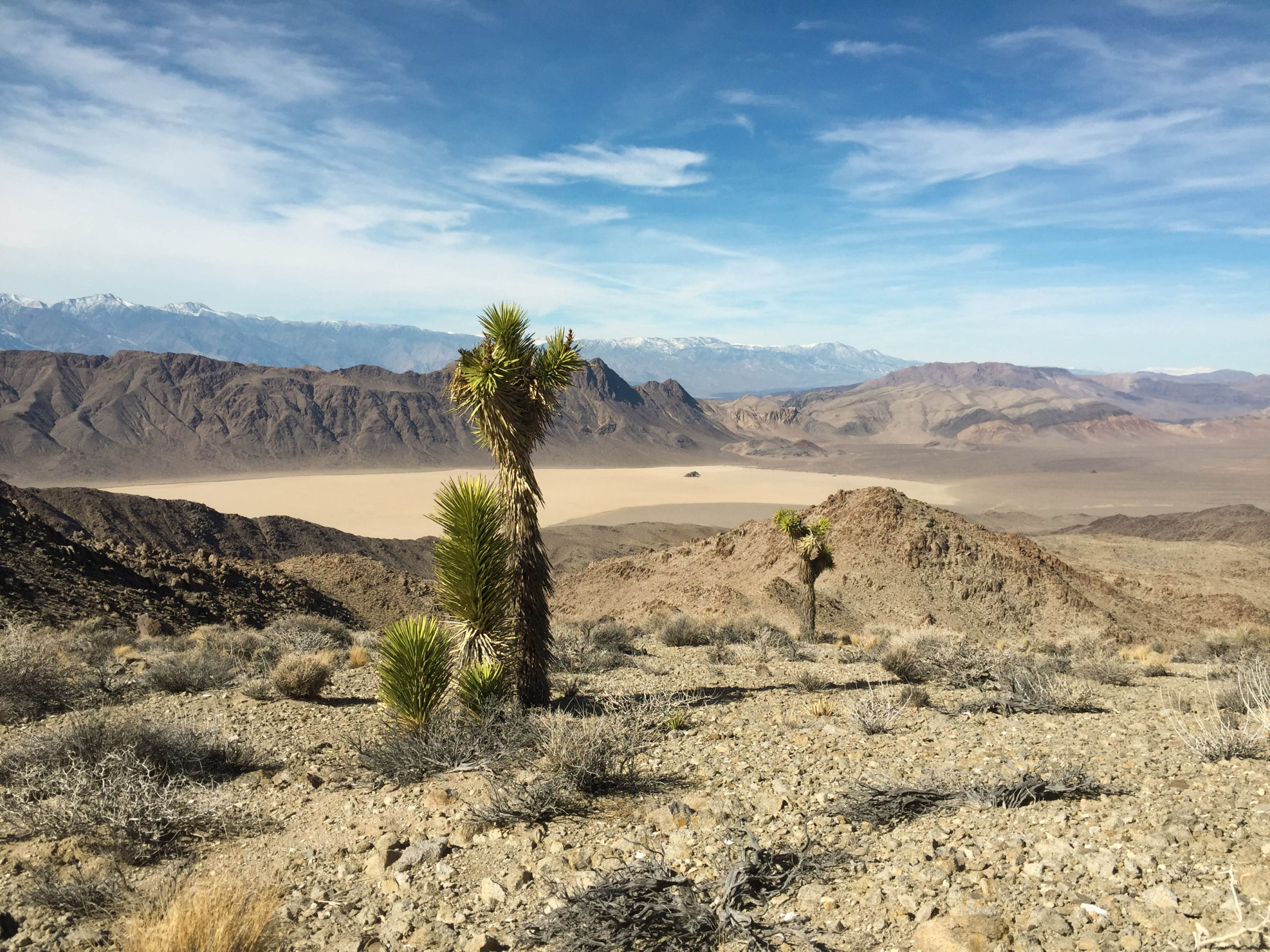
    But the reward, of feeling at home, of facing this fear and letting yourself be swallowed by the blackness of night only to wake upon yet another dawn is vitally important – this has been the true human experience since the dawn of consciousness.

    The following morning, I packed enough food and water for the entire day before setting out walking along a spine of rocks cradling an expansive plain peopled by Joshua Trees. Distances and scale seem naturally distorted in Death Valley, out of proportion. I didn’t see much wildlife, but I frequently stooped to examine the tracks of coyotes and bighorn sheep in the sand.

    I quickly crested the head of a canyon that fed out to the Racetrack Playa shimmering in the distance. The Race Track is home to a strange phenomenon in which rocks with time and the elements migrate across the surface of a perfectly flat sandy expanse. Nearly all of these rocks have been taken by visitors.  I continued descending until I found a nice sloping rock on a windswept outcropping where I could sit and revel at the expressive Seussian forms of the Joshua Trees wildly gesticulating. I pulled my knees up to my chest and tried to feel the place. The vast, inhospitable landscape was a mirror in which I glimpsed my small pitiful self: an ego trying to give expression to itself in a world devoid of meaning. I saw each of us valiantly struggling, indistinguishable from the other lifeforms that peopled the landscape. Each Joshua Tree, each shrub, each lichen, has a story to tell that has been defined by its aspect, the dominant wind direction, rainfall patterns, the shadows from other plants… So it goes for whatever is inside of each of us. Slowly we are twisted, gnarled, sometimes into beautiful forms, other times into grotesque haunting shapes, but in any case we will be desiccated and swept away.
    I took a long gaze from my vantage on the peak at human existence and how adrift modern civilization had become. Looking out across the lanscape and reflection on my the previous night, it was easy to understand mankind’s impulse or the original impetus to address human needs. We are fragile creatures – ill-suited to many different environments. Human existence is defined by the existence of a self and a feeling of dislocation from all that surrounds us. Separateness is a complex matter as it is intuitively false, but rationally true. The other, whether the physical earth or human inhabitants, is a source of both anxiety, fear, excitement, and joy. We have constructed a society and erected edifices to try to ameliorate the external threats to our being posed by the natural environment, but this has only seemed to widen the gap for many people… to create a vast distance between us and our natural origins.
    Human civilization long ago surpassed the point of having the resources and ability to meet all of humanities basic needs and now we have entered a surreal age untethered from need or purpose in much of the world. We now rise each day under the illusion of scarcity and we – the majority – let the system continue because it gives each of us a small allotment of commodity food pellets and a semblance of purpose. Instead of the anxiety that is natural to human existence, we have created a different form of anxiety as we run on society’s treadmill, constantly outrunning a fate of rejection from our artificial existence back into the harsh natural abyss from whence we crawled. This system has no clear goals or limits and any system without these two things is destined to destroy itself.

    Notwithstanding this lack of purpose, onward we march, classifying, simplifying, substituting false definitions and narratives for nearly everything, including other humans. Inherent to this type of thinking is the ability to commit acts of violence, to take, to ignore the independent rights of other beings to one’s own benefit. A tree becomes board-feet. A human becomes a unit of labor. A section of the ocean or a strip mine is measured in yield. Cattle, pigs, chicks, the majority of life on earth is scientifically managed and industrially slaughtered, but arrives perfectly for the commodified American dream devoid of history, in neat bloodless packages. We thunder onward in a race full of pomp and circumstance, but that is only really definable as an unrelenting pressure to name, possess, and exploit all that exists in the most efficient manner possible.

    I felt my mind going into a downward spiral without an end. My breathing was shallow and rapid, my brow furrowed and I wasn’t even paying attention to where I sat. I took a deep breath and recentered myself. Despite existing within this ugly system, I felt an undercurrent of mystery flowing through everything, something ethereal that cannot be subsumed by logic or rationality. There is rhythm in silence, patterns in darkness – a thread weaving everything together. Suddenly my thoughts and reality connected. I saw a turkey vulture riding the air rising off of another mountain, rolling and yawing in the invisible forces that buffeted it. I glimpsed an alternative to this logic, to this machine. It lies in finding a deeper meaning to existence that is rooted in something that I am certain resides in every living thing. The turkey vulture was giving expression to its essential birdness. A lizard scampered to a rock beside my head and tilted its head curiously as I made eye contact. An explosion of recognition and understanding passed through me, tears were suddenly streaming down my face. I closed my eyes. I thought about the light or the spirit that animates me, that has been with me since I entered this world; it is curious, radiant with joy and hope, constantly in search of love and a feeling of connection, but also fragile. I thought about my parents, their faces as I first remember them as a child appeared but then faded into their current aged faces. I let out a sob and felt the wind sweeping the tears off my jawbone as I realized that inside of each one of them resided this same spirit, this same light, this same ineffable energy. That they are fragile, that they don’t have all of the answers, that they seek love, that they have dreams, that they are just trying to do the best that they can, that they are vulnerable. I had never thought about myself, my parents or any of the billions of beings on this planet in quite this way before.

    I slowed my breathing again. I saw my life passing from the perspective of my spirit as it endured defeat and rejection within this inhumane system, how it had been nearly completely suppressed to reduce my suffering. Why? The vociferous demands and pressures of society had forced me to attenuate its quiet voice; it had caused me great suffering to constantly run contrary to the direction of the systems that I lived within from seemingly the moment that I was born.

    In the months preceeding this trip I had found myself at a critical fork in my life path. I had spent years trying to find my spirit and to listen to it, but I had stopped in recent years because that part of me seemed directionless, unproductive and reckless. I felt like I needed to change myself to avoid ending up unhappy later on in life, but this line of thinkingresulted in me finding myself depressed and frustrated almost immediately. Thus, there were two paths forward: listen to my spirit and let it guide me in life or to ignore it and risk irreparably losing my direction. The second option involves less exertion and affords a certain amount of stability and comfort for some people, but it had become apparent for me that this was not a tenable option. What I had been seeking all along was not escapism nor hedonism; I had merely been seeking a way to give voice to my spirit through action. A vulture that doesn’t fly, that doesn’t give expression to its birdness, is merely food for other vultures.

    A profound realization like this, a deepening of your empathy and understanding, is difficult to come by. It is a rare gift that we have to cherish, but figuring out how to integrate a realization like this is even more difficult. I knew that I needed to make a drastic change in my life. The most immediate barrier that I could see to my growth was the job and lifestyle that I was leading – I carefully began plotting my departure and quit six months later. I began looking for volunteer opportunities with development organizations in Latin America where I could put my skills to work for the benefit of others. I was offered a position with an organization in Peru. Once again, I found myself storing the few things that I had that I couldn’t bring with me in other people’s basements and packed a backpack and duffle bag with the essentials before heading out into the unknown.
  • in search of it

    in search of it

    We are born into a story, socialized and educated to believe in a certain narrative arc regarding the human life; this story is always framed as the path towards joy, prosperity, peace and love. Every society’s story is laden with latent values (and judgements of other values) that range from materialism to spiritual growth, sedentism to nomadism, monogamy to polyamory, acceptance of authority to critical thinking, patriarchy to matriarchy, democracy to hierarchy, rugged individualism to communitarianism, environmentalism to an exploitative ethic, selfishness to sharing, openness to reticence…isms ad nauseum. Without a frame of reference that enables us to deconstruct our milieu, we are fish that cannot see the water in which we swim. Travel has given me a frame of reference.

    What is my story? I spent the first 18 years of my life in Lake Forest, Illinois, USA. Statistics and demographic information can only reveal so much, but I think in this case it can explain a lot. Lake Forest is the 34th wealthiest city in the United States with an average household income of $268,922 in 2019, according to Bloomberg. The 2000 US census showed a population of 19,375 people with racial makeup that was 95.80% White, 1.35% African American, 0.06% Native American, 2.45% Asian, 0.13% Pacific Islander, 0.44% from other races, and 0.77% from two or more races. Hispanic or Latino of any race were 0.87% of the population. In summary, it is a wealthy and relatively homogenous place.

    My mother grew up here and her family owned a successful manufacturing business in a nearby city that brought them wealth and recognition. They had six children that were raised in a large country house that is reputed to have been quite wild. When she was a kid, she occasionally rode her horse to school in a display of eccentric privilege. My grandfather took hunting trips around the world to kill all sorts of animals that are now considered threatened or endangered. My grandma is rumored to have had affairs, including one with a highschooler that led to the heartbroken young man publicly smashing her yellow Chevy Corvette with a shovel. Their house was raided by the police at one point to seize the marijuana grow operation that the kids were running on the property, but family connections had led the police chief to tip off my grandma before the calvary arrived. They went yatching with the likes of Ray Crock – the creator of McDonalds – and complained when “new money” like Mr T. moved into town. My mother seems to have come out of this strange upbringing with a slightly distorted view of life, but having learned quite a bit about what path she didn’t want to take.

    My father grew up in the town next door – Lake Bluff – his parents were both god-fearing Protestants that had worked hard all of their lives. They were descendants of later waves of immigrants from Prussia and Greece and had arrived in Lake Bluff through hard work. They had two children that took very different paths. My aunt dropped out of school to focus her attention on drugs and art. My father seems to have come out of his childhood with a strong drive to transcend the shameful middleclass existence that his parents led amidst such opulence and to break away from the conservative, religious dogma that he was fed by his parents.

    They met in high school and started a relationship that endured through college, although not without some time periods that are never discussed. They were married around age 25 and attempted to settle down in Lake Forest, despite having limited money. The early years are blurry but the memories that I have of my dad include: digging up plants from other people’s property to landscape our property; men coming in black suits to threaten us after it had been discovered that my dad had flipped our electric meter upside-down so that it would spin in reverse as we consumed electricity; the purchase and use of illegal fireworks (this includes actual dynamite he got from some connection in Kentucky); long hikes in the woods near our house with him; finding cocaine in his desk drawer; his purchase of a Porsche without consulting my mom; driving around in the Porsche whistling at women; firing a pistol into the wall to kill a rodent that lived therein and extravagant vacations put on his company credit card (one of which ended with him getting into a brawl at a bar and getting his forehead split open on the corner of a table). He was volatile and occasionally abusive around the house. I loved him and we had a strong bond, but I always had to gauge his mood to determine if it was safe to be around him.

    I remember my mom being perfect, although cracks would occasionally appear in her façade. She seemed largely content with raising us keeps and keeping the household together. She devoted every second that she could to teaching us, clothing us, entertaining us and feeding us. I loved her deeply and she always served as a bulwark against my dad. Nonetheless I remember tears and fights between her and my father regarding money, drinking and relationships with other women.

    The gamble of moving to Lake Forest, buying a house and trying to make it all work paid off materially. My father completed his MBA and became quite successful in financial consulting. We moved into a larger house and had nice cars that regularly changed. We continued taking luxurious trips around the country. My father was mired in this world, participated in it, but couldn’t quite fit into it no matter what he did and was therefore internally miserable. He emphasized critical thinking, equality and justice during occasional moment, but the primary values of the household revolved around work, wealth, and appearance. Hard work was not emphasized as much in some other families though as I was regularly told as a kid that I shouldn’t worry about anything as I was “an attractive, white male.” I remember my parents and siblings regularly sitting at the dinner table vivisecting their friends, coworkers and neighbors for social or sartorial faux paus. Or reveling in schadenfreude at the failed marriage or bankruptcy of another family in town. It was difficult for me to avoid internalizing this type of thinking and to keep it from consuming me internally. There wasn’t much love in the house during these years.

    The story that my parents intended for me to internalize was that hard work, intelligence, bending the rules and keeping up appearances will bring you wealth and happiness. This wasn’t the way that I came to see it – I saw unhappiness, my father trapped in a system that he hated, my mom trapped in a marriage that lacked love and a society that seemed to revolve around kicking or pushing others down to bring yourself up. But I only knew this world and I definitely knew that I didn’t fit into it and was floundering. This caused intense anxiety and depression for me as I implicitly believed, and was explicitly told, that anyone else who lived differently was poor and miserable. I had no way to disprove this theory as I really didn’t know anyone that lived any other way.

    I decided to attend college largely out of fear that otherwise I might end up as one of those poor and miserable people. During my first two years of college I never attempted to break any of this down. I continued dating a girl whose life and family revolved around wealth and appearances. I was studying engineering, doing well academically and did my best to maintain the appearance that I was ready to assume my rightful place in society as an attractive, white male. When it all fell apart, which I wrote about in the last post, I decided that I needed to put physical distance between myself and this milieu.

    The first real travel that I did was moving from Chicago, Illinois to Salt Lake City, Utah. Any travel, even if it is around the city in which we live, gives us an opportunity to be exposed to different stories, to other ways of relating to existence, ourselves, others and the world around us. But it is ultimately up to us as individuals to be receptive and pay attention. In Utah, I had my first exposure to people that were leading different lives and thought differently, people that had chosen to focus their lives on certain activities – skiing, climbing, biking and playing music. This made me start thinking about my own life. It never had felt like my life beforehand for some reason – it had just felt like I needed to stay within the white lines that had been painted for me. How did I want to lead my life? What constitutes a good life? What did I even like doing? My years of nomadism began when I saw that I could just physically leave if I didn’t like a place, that I could live where I wanted and how I wanted.

    After a year I left to Nepal and India, places that viscerally challenged my worldview and beliefs with sights, odors, sounds and a distinct rhythm of life. My inability to communicate with anyone made the entire experience even more disorienting. At night there were human beings strew across the concrete of the city sleeping. Sacred cows roamed the streets freely. Open defecation was commonplace. Leprosy was still an issue. People swarmed us and begged. The roads, train stations and markets were pure chaos – the press of humanity, of over a billion people practicing different religions and speaking different languages trying to carve out an existence. Amidst all of this, joy, peace and love flourished. I caught a glimpse on this trip of a different way of life, but I hadn’t even begun to understand it.  I returned to school with a renewed dedication derived from dreams of travel.

    I graduated college in May, 2008. I fought forest fires that summer to save money and then found myself teetering between entering the white-collar professional world, which was the path advocated by parents and peers alike, and pursuing my dream of traveling. The decision ended up being largely guided by the financial crisis that was unfolding at that moment – even if I had truly wanted to find an office job, almost no one was hiring at the time. I had one job interview before I became committed to my life of wandering. It changed my life.

    The only way that I got myself to attend the interview with Chase Bank for a Personal Banker position was by playing the mental game that the vast majority of people in the United States are playing: I tried to convince myself that if I could just do something that I didn’t like for long enough to generate money, then I could be free to what I enjoyed. I began sweating as soon as I received the phone call because getting this job would require me to convince my interviewers that I wanted this job that I didn’t want. I immediately felt an urge to begin taking the anti-anxiety pills that I had relied on in previous years. I shaved my face and bought a suit at Men’s Warehouse.

    I had read Walden that summer and was haunted by this quote – “I say, beware of all enterprises that require new clothes, and not rather a new wearer of clothes. If there is not a new man, how can the new clothes be made to fit? If you have any enterprise before you, try it in your old clothes. All men want, not something to do with, but something to do, or rather something to be. Perhaps we should never procure a new suit, however ragged or dirty the old, until we have so conducted, so enterprised or sailed in some way, that we feel like new men in the old, and that to retain it would be like keeping new wine in old bottles. Our moulting season, like that of the fowls, must be a crisis in our lives. The loon retires to solitary ponds to spend it. Thus also the snake casts its slough, and the caterpillar its wormy coat, by an internal industry and expansion; for clothes are but our outmost cuticle and mortal coil. Otherwise we shall be found sailing under false colors, and be inevitably cashiered at last by our own opinion, as well as that of mankind.”

    I entered the conference room and was greeted by four pale faces sat behind a desk, some sort of panel of midlevel managers taken from the far-flung, forsaken branches of the bank in the Chicago suburbs. We covered the formalities; I kept a copy of my resume on my lap to make sure that my words corroborated the carefully tailored distortions written in lifeless Arial Narrow. I worried that I might lose control of my hands and watch them float away or that my face would tire from smiling incessantly, but neither came to pass. I was shaking though; my mind alternated between thinking that I should have drank either more or less coffee.  My anxiety spiked as it became apparent that merely handing them my resume and answering a few mundane questions was insufficient to get me a piece of the sweet apple pie that is America. They wanted me to do some role playing, but I was already role playing. You can see how this might become confusing.

    “Okay. Let’s pretend that I am a bank customer who simply wants to make a deposit. You will be my teller. Your goal is to convince me to refinance and move my mortgage to Chase Bank.” She actually pretended to be driving a car; her hands rotated an imaginary steering wheel, directing her car to the hypothetical air tube and speaker through which we would communicate. I wondered whether her feet were also operating imaginary pedals, but I couldn’t see them under the desk to check.

    “Hello, I would like to make a deposit. Could I have a deposit slip?” She calmly leaned towards the non-existent speaker.

    “Good afternoon! I will send that right out to you!” I can’t remember if I pretended to put it in the airtube or not, but my adrenaline was mounting amidst a sense of impending doom.

    “While you are writing that out, DO YOU CURRENTLY HAVE A HOME MORTGAGE!” I asked in sheer terror, surprising myself as I nearly yelled the last part at the fictional speaker and the woman.

    “Yes, but it is with another bank.” She curtly replied, seeming somehow unfazed by my loss of control.

    “Have you ever thought about…..refinancing… your loan with Chase Bank? It could…..save money. RATES ARE LOW!” I consciously took breaths in between words in an attempt to hold it together, making it until the last bit before my tone and volume began rapidly fluctuating again. The adrenaline and disgust were rising rapidly and overcame me. I wondered if they could smell the sweat and fear. Maybe they even enjoyed it? I contained the overwhelming urge to run.

    I felt like some sort of lab rat being grotesquely tortured, completely incapable of understanding the overarching purpose for having electrodes attached to my miniature nipples. I was shaking at this point, my fists balled, my pupils dilated, and my feet twitching in fight or flight response. They asked me some benign questions and things slowed down a little bit. The adrenaline slowly wore off and I sat in a post-ictal state as they talked more about the specifics of the Personal Banker position. I peered out at the glimmering SUVs backed up behind a red light. I observed a woman talking on her phone in one car, looking absolutely crazy as she gesticulated in the absence of context. I alternatingly glanced at the desk, at these people, at my shoes.

    “Are you motivated by financial incentives?” A bald man officiously squaring a stack of papers over and over again asked me. The stack of papers had been square for several minutes at this point.

    “No, I wouldn’t say so.” They paused for a moment, taken aback by the answer. Their reaction forced me to reevaluate my response and I bumbled as I backtracked a bit. “Well….I mean… it depends. I want to earn money.” I couldn’t lie. It all fell apart, but the honesty was a release. I knew the job was lost at this moment. I viewed my general indifference to pecuniary remuneration as a virtue, yet what I had just said was tantamount to confessing to a battery of priests that you don’t believe in god. These people worshiped money – there was no other reason they would work within that befouled temple.

    I walked out of the sterile box into the afternoon sun with new knowledge about myself and the world. Chase Bank changed my life! I went home and bought a plane ticket to Mexico that left a few days later to go volunteer for a non-profit organization run by a family friend. The oragnization was in the Yucatan Peninsula and focused on assisting families that had been displaced by the creation of a protected archeological zone. The families had lived on their ancestral lands since time immemorial and only knew agricultural techniques that were appropriate to that area. The government had given them marginal land that required them to grow different crops and use different techniques of cultivation. The organization was trying to help them in this transition.

    I flew into Cancun and felt an immediate disdain for the energy that heavy tourism had created. This feeling was compounded as the executive director of the organization took me to Burger King – in the middle of the culintary paradise that is Mexico – to eat. I spent a few days with him traveling around to communities, visiting projects that they had going and working in the fields. He left after a week and then I was the only person that spoke English in a small truckstop town in the middle of the Yucatan Peninsula. I spoke barely any Spanish, but enough to help out with activities in the fields and around the house. It also became clear that the organization had a strong religious affiliation and purpose, thus much of the time spent in attempted conversations with the family that I lived with revolved around them maligning all of the other members of the community that were not a part of their church and for them to proselytizing to me. They would regularly pressure me to pray with them or to say grace. They would put a bible on my pillow every morning. They would regularly tried to explain that I was unhappy because I hadn’t accepted god as my savoir, but I could generally escape these conversations by feigning a lack of understanding.

    There were some ruins nearby that I desperately wanted to visit. The ruins had been part of the impetus for the creation of the archeological reserve. One day, the preacher from the church offered to take me there. The true purpose was for him to have me as a captive audience for his proselytizing for half of a day, but I was willing to make this sacrifice. I only remember two things from that day. 1. There was a litter of newborn puppies in the middle of our lane on the road. We were going quite fast, but there was ample room for the preacher to swerve and miss the puppies. I didn’t panic until it became clear that it was to late and I screamed at him. He coolly responded that he did it intentionally, that they were street dogs that no one was going to care for and that he was putting them out of their misery. 2. The ruins had been near the border with Guatemala.

    I became curious about Guatemala. Everyone in Mexico told me it was dirty and dangerous. The religious hypocrisy drove me over the edge one day and I left town with no clear plan, but I knew that this wasn’t the place for me. The desire to go to Guatemala was stuck in my head and I met a few other travelers on the road that told me that I should go there. I bought a bus ticket south.

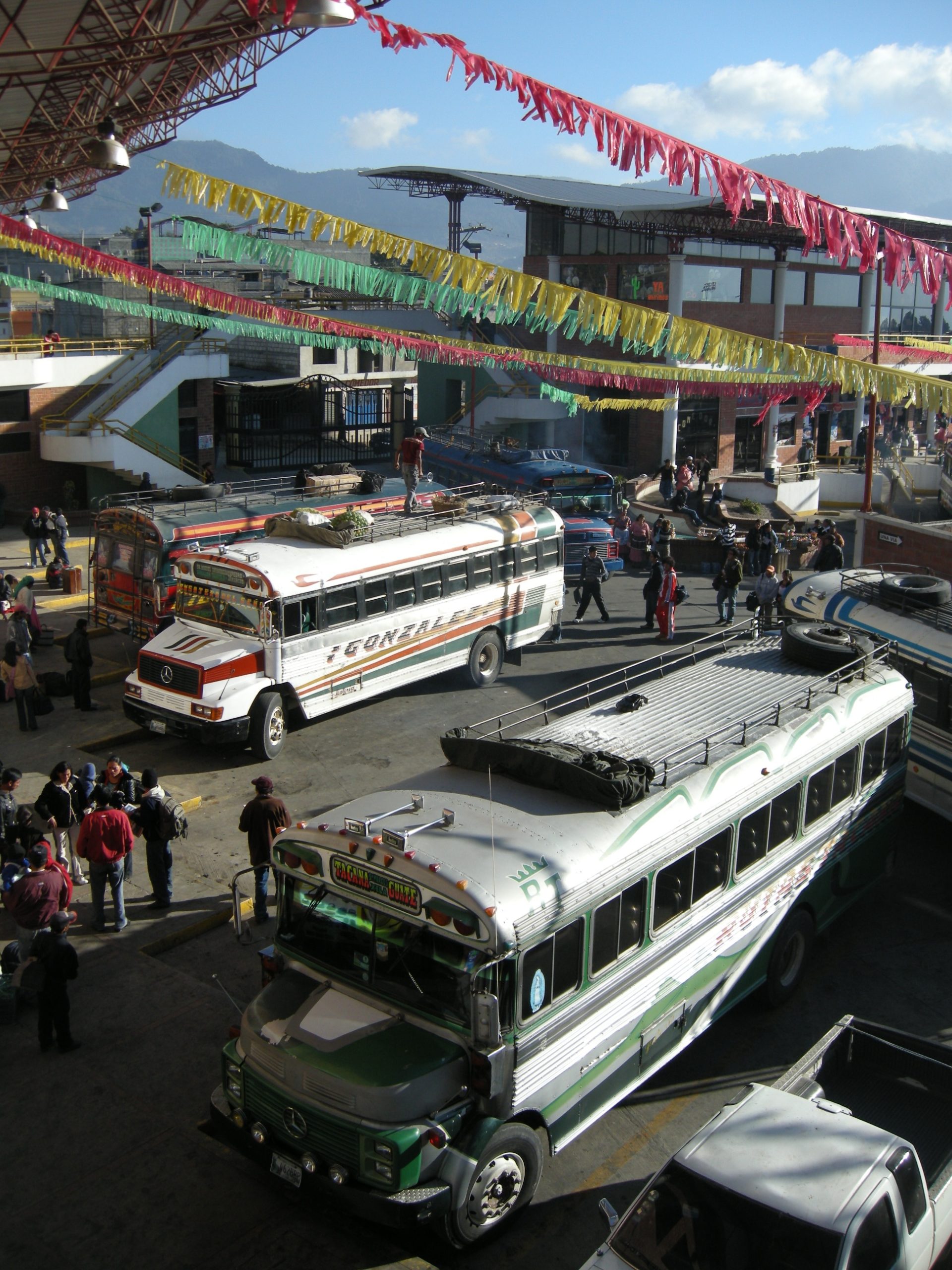
    I arrived to Xela in Guatemala for Christmas and checked into a hostel called Casa Argentina. This hostel also served as the base for a non-profit trekking organization – Quetzaltrekkers – where I intended to volunteer.

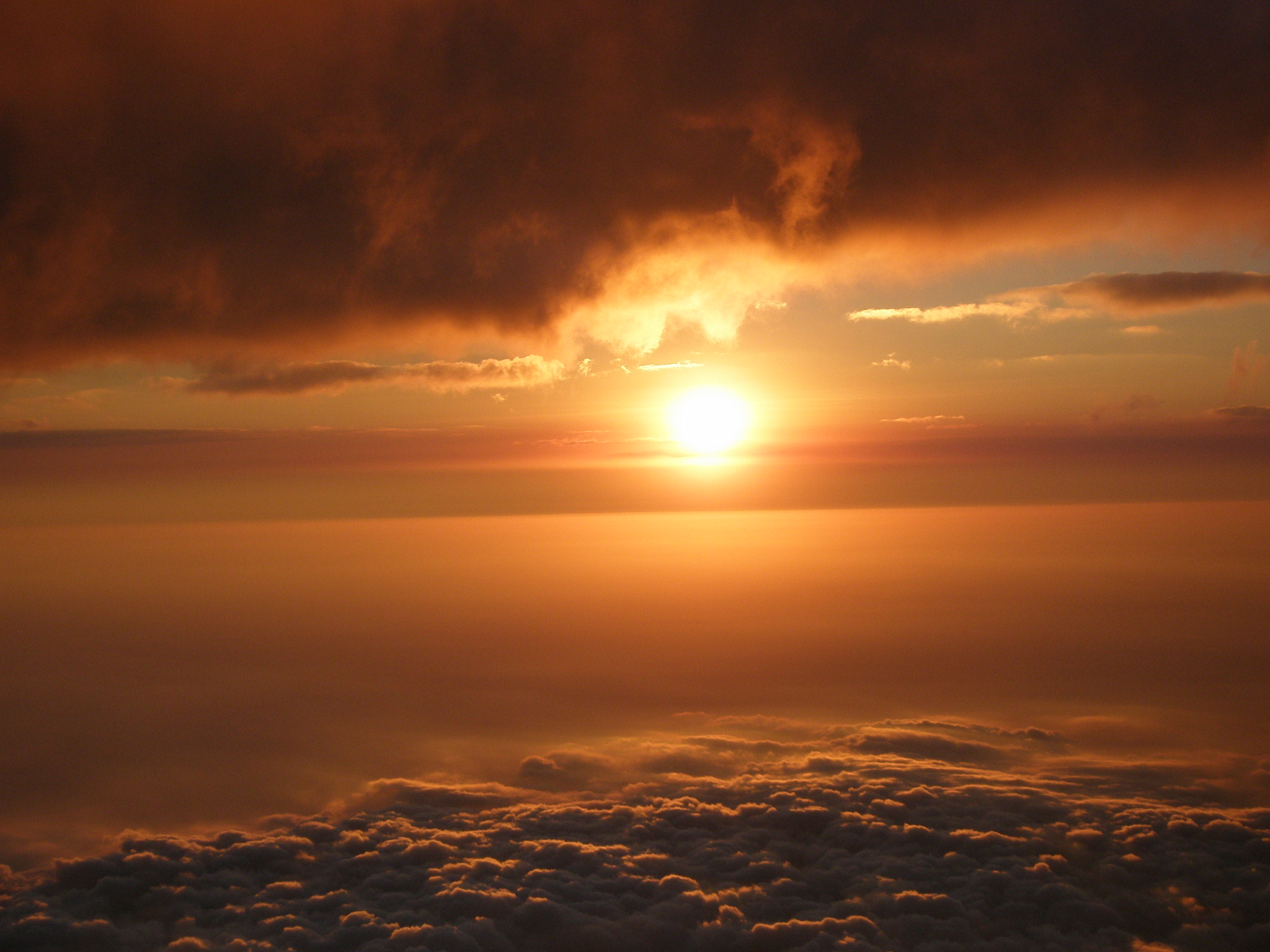
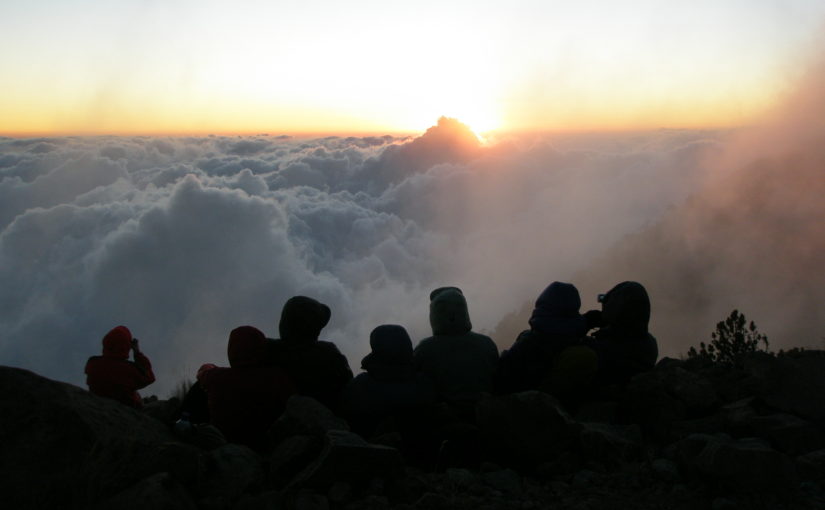
    On top of Volcan Santa Maria at sunrise

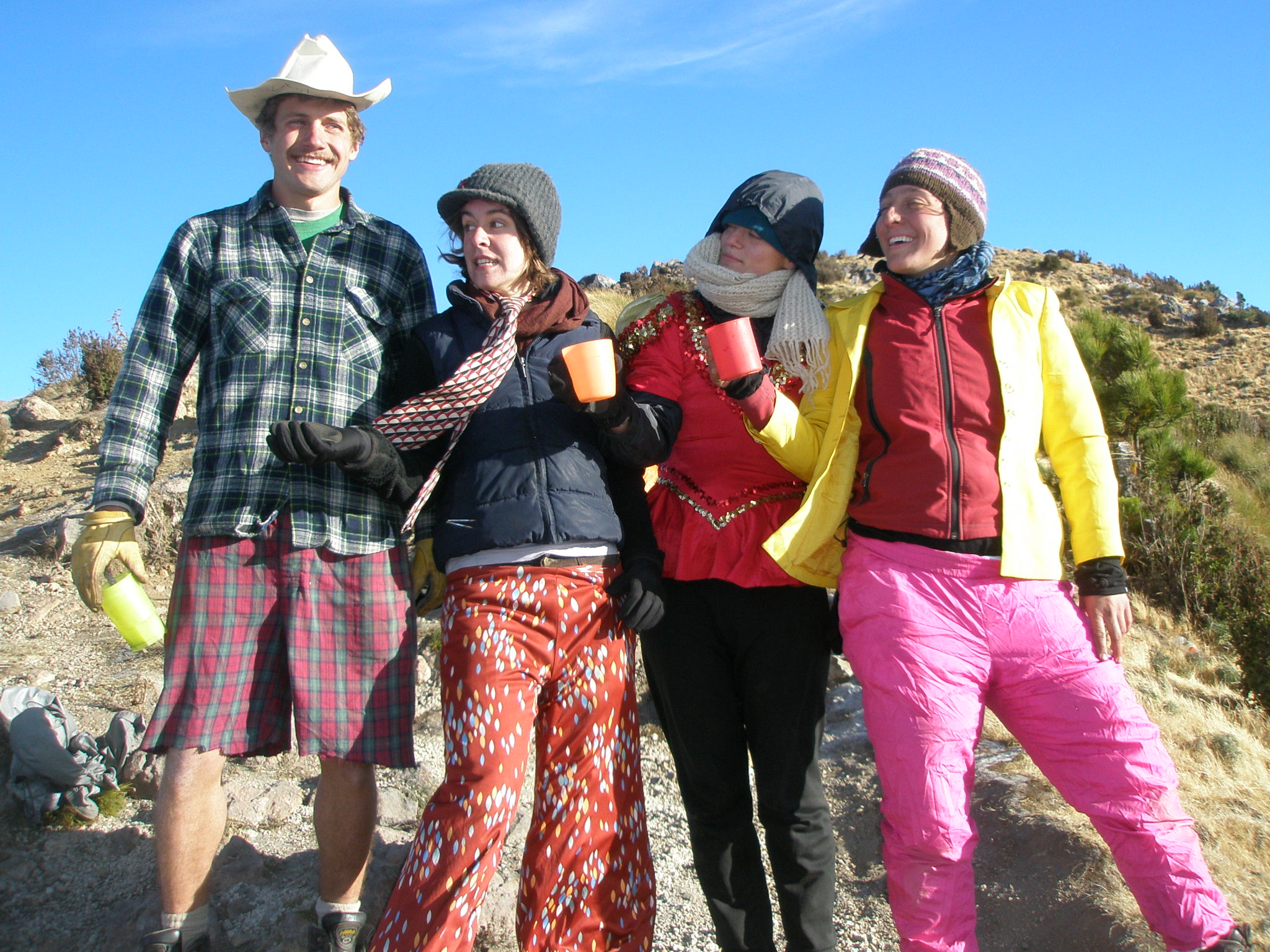
    It became quickly apparent that the stories I had been told about Guatemala were ignorant, gross oversimplifications. It is a predominantly indigenous country with 24 languages and cultures spread across a mountain ranges and jungles sandwiched between two oceans. A place where the magical realism of Latin American literature actually exists; seemingly anything can happen with inexplicably beautiful and horrifying events unfolding concurrently. Guatemalans accept and live within this reality; they are proud of it. For me the indigenous Mayan cultures that thrived in the highlands and the crazy gringos with whom I lived and worked showed me an entirely new range of possibilities for existence.

    Sunrise from atap Volcan Tajamulco

    At this time, Quetzaltrekkers was an idealistic, anarchic, egalitarian commune of sorts. We guided treks for tourists in the mountains and volcanoes of the country recounting the history of the civil war and information about the ecology of the region. Any profits generated were used to support a school and orphanage for street kids and we lived off of the tips given by the clients. Status and authority did not exist within the organization – all decision making was done democratically, and everyone rotated through the different roles and responsibilities within the organization.

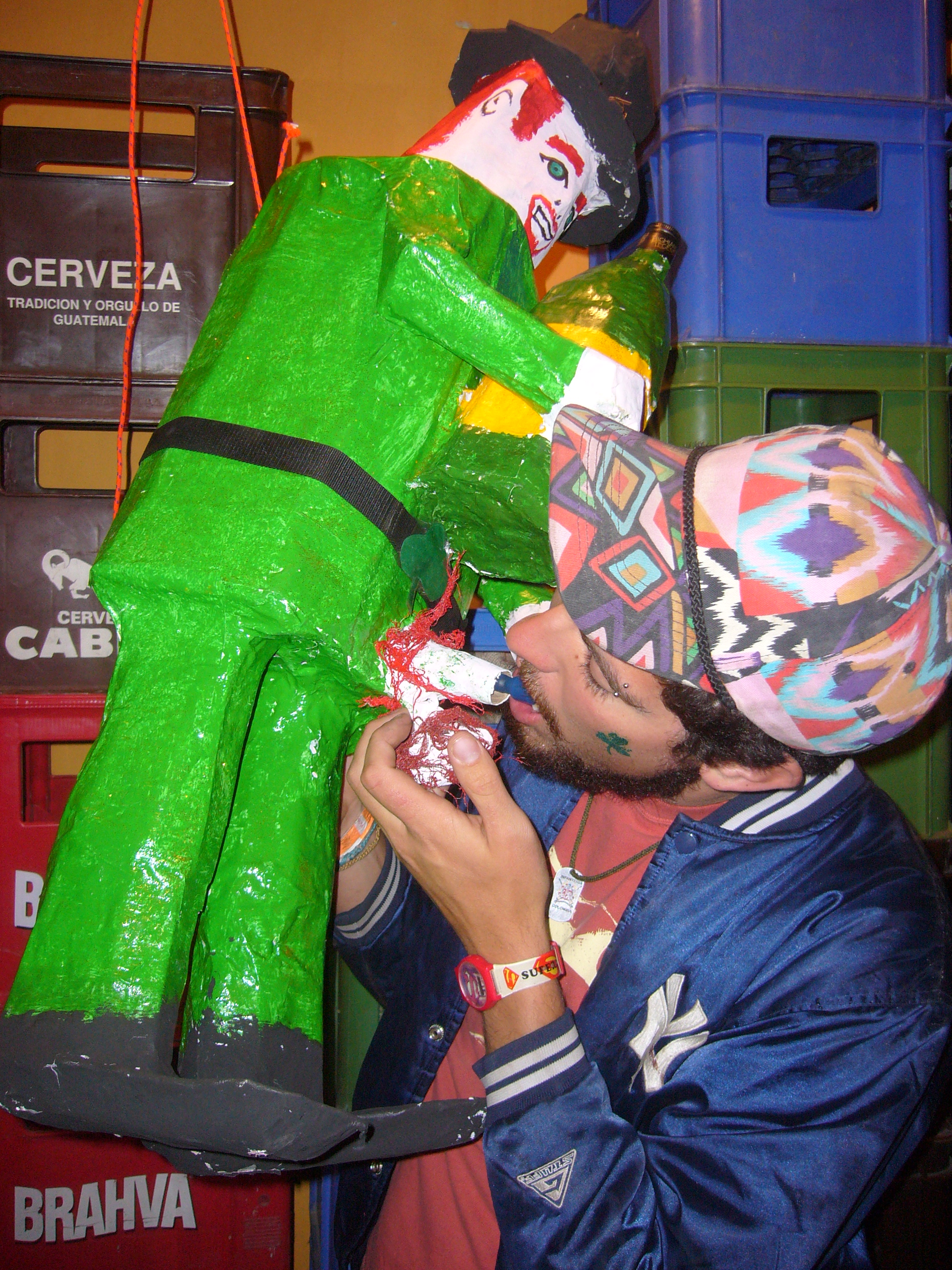
    Seamus the shameless Leprechaun

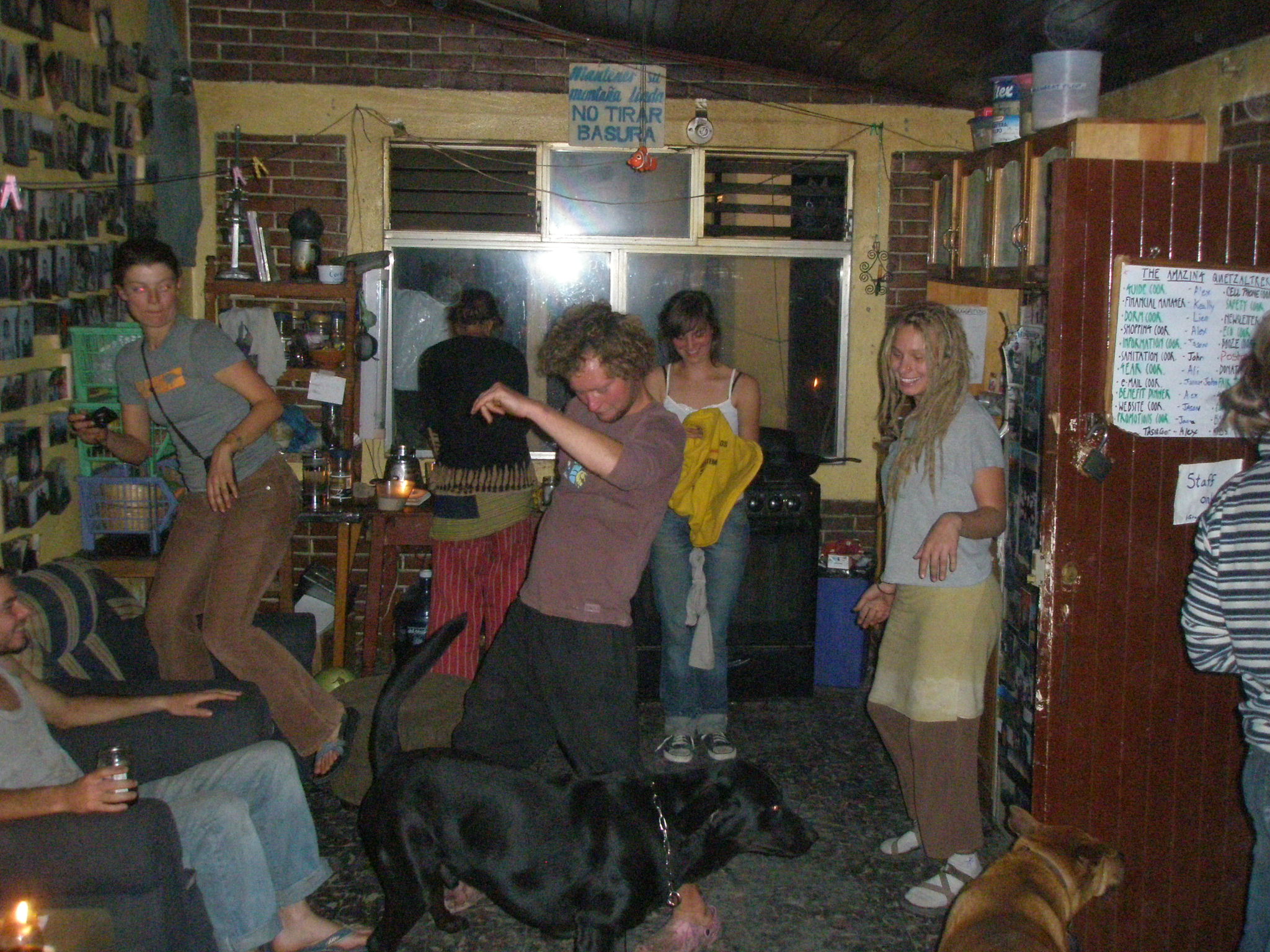
    There were volunteers from Germany, Belgium, France, the UK, Australia and US – brilliant people exploring existence. It wasn’t acknowledged at the time, but in the depths of the financial crisis it seemed like the world was poised for changed, that we could create a different future out of the ruins of capitalism. Quetzaltrekkers felt like an oasis or a laboratory where we were free to explore alternatives. Everyone piled into a dilapidated, leaky house with half a dozen bedrooms that various people shared. Bodies were scattered everywhere, graffiti and murals covered the walls, and there was only one bathroom with an electric showerhead that indiscriminately delivered shocks. The food for the trips was made in-house – we baked our own bread, made our own made our own kombucha and brewed ginger beer. Our lives were further spiced up with a steady diet of substances as the kitchen fridge was a medicine cabinet that included LSD, MDMA, hash and countless edibles. We threw wild parties and lavish feasts to raise money for the organization that were famous. We talked, cooked, danced, drummed, sang and laughed our days away.

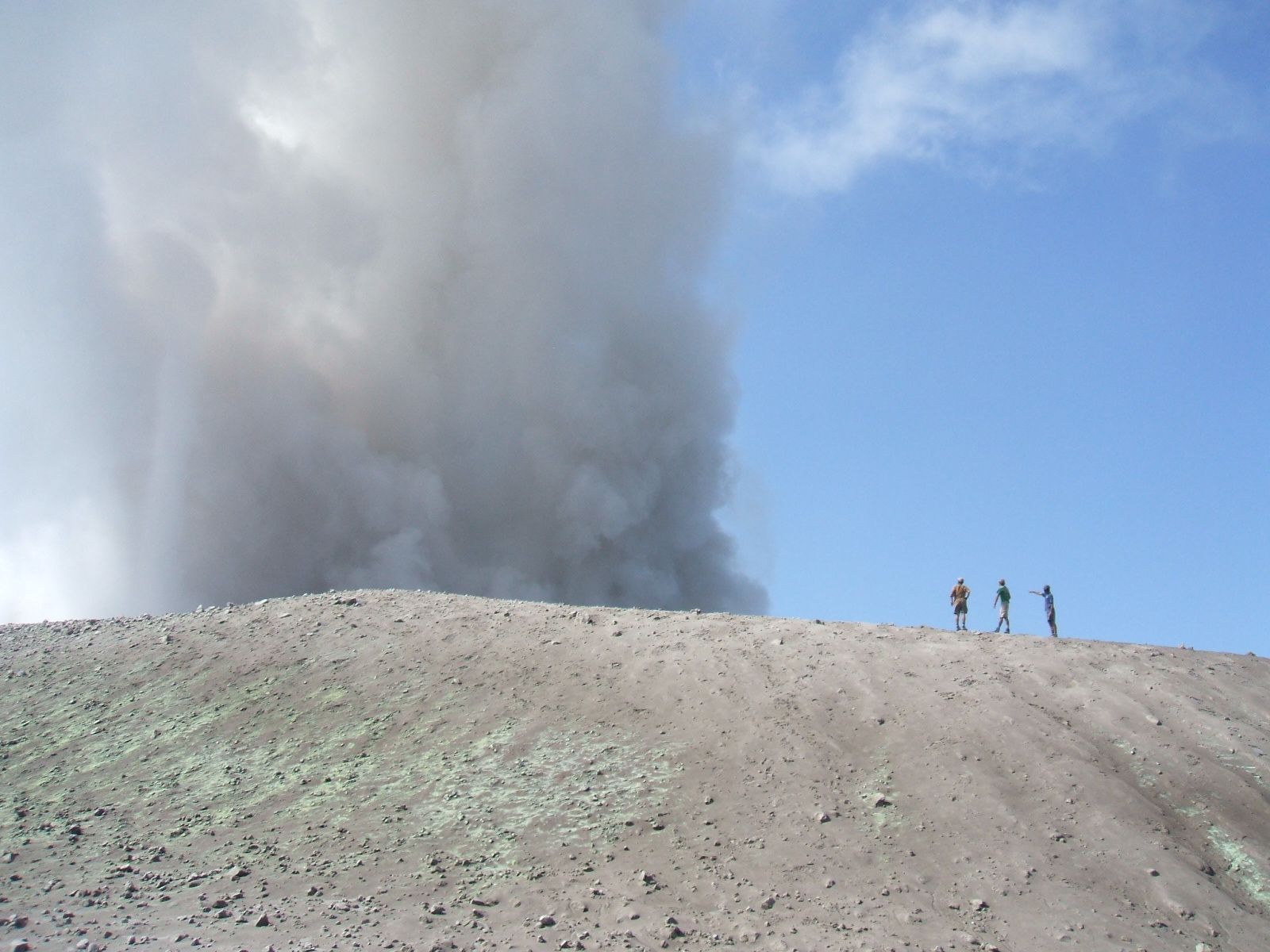
    On the rim of Volcan Santiaguito

    Between Xela and our time sleeping outside on trails it was a semi-feral existence. The sunrises and nights spent out under the stars on these trips filled me with awe. I felt a deep connection to the places where we wandered and stayed, something that we were always trying to deepen. One of the more vivid memories of this time is a trip that we made to Volcan Santiaguito – a live volcano that erupts erratically throughout the day. We did this not out of bravado or merely to take photos, it was to feel the volcano, to feel the earth, to feel the energy. We staying up all night captivated by the power of the earth as it shook, howled and spewed forth glowing molten rocks. Risking our lives, we made offerings of liquor to the earth and to the gods before running up to the rim of the volcano to look into it. I would have welcomed immolation in that moment as I had found what I had been looking for my whole life. It was there. I don’t mean physically in the crater of the volcano, rather inside of me, inside of us. This ineffable energy that vibrated in each one of us, an energy of joy, love and purpose. It isn’t something that you can buy or possess, it exists in many places but isn’t on any maps. It is ephemeral and has to be created in each moment. My time in Guatemala changed my life and those of everyone that was a part of this madness. I am still friends with many of these people, some of whom I haven’t seen in a decade. This experience still feeds all of us, its spirit alive in each and every one of us. I am still wandering the earth looking for it.


    A normal night in the office

    A year after I had returned from Guatemala, I was wearing a shirt from the Queztzaltrekkers that said Xela on it. I looked in the mirror and realized that Xela is my name backwards.

  • drugs, travel and meditation

    drugs, travel and meditation

    I want to start by first explaining the weather in Lima, Peru, where I currently live, as it is a really good metaphor for my mind. Lima really only has two seasons – winter and summer. The only thing that really separates them is the sun, during half the year it is out and the other half it is absent, the city shrouded by a dull leaden blanket of clouds. During these months of grey, the days seem to blur together; it becomes difficult to demarcate the passage of time as everything seems to sit in stasis due to some undefinable malaise that permeates the air. It is difficult to get up in the morning as colors are dull, flavors are off, and the air carries a bone chilling cold.

    The pending arrival of summer is first noted by warmer air and a stronger sun despite the blanket of clouds. During the middle of the day, the sun will occasionally break through the grey for few hours at a time. Just before the it appears on these days, the clouds will often descend as a fog thick fog upon the city, but the sun eventually becomes so strong and relentless that the clouds have no choice but to flee, the homogenous mass breaks apart and forms individual clouds that stream like phantasms up from the ocean as they desperately seek refuge from the sun between the buildings of the coast. With the appearance of the sun the buildings and homes of the city are resplendent as their colorfully painted facades shine, trees fill out with green, flowers bloom and fill the air with scents that transfix, flocks of parrots chatter as they careen between buildings and the world regains some sense or meaning.

    I have struggled with depression for years, although it is more like Lima’s winter than the more tempestuous forms of depression that exist. Over the years I have found a few recourses that have become a vital part of my life as they help lift the clouds from my mind so that I can see the sun again; they erode the feeling of separation that I feel and help to remind me that I am an inseparable part of a universe that evades comprehension. I would like to talk about why and how I discovered them.

    I was taking summer classes fourteen years ago and I was sitting in my room one day, looking out my window and watching cars rush past. The glass looked surreal, like it had oil smeared on it. I had been reading a few moments before, but I got distracted by a the glass and a lecture that I had heard in physics about forms of matter and the professor had said that glass could actually be considered a liquid and a solid, as its structure was very slowly flowing at all times. My thoughts shifted to the books that I had been reading recently – On the Road by Jack Kerouac, One Flew Over the Cuckoo’s Nest by Ken Kesey and The Tibetan Book of the Dead. These books were like a mirror that lead me to examine myself. I saw myself running on a treadmill towards an always distant self-realization, happiness or success. They contained values that had been absent in my earlier development as a person, values of self-exploration, of adventure, of love and happiness existing absent material wealth or professional success. They planted the seed in my mind that maybe I didn’t have a genetic chemical imbalance, that maybe I wasn’t wrong in feeling empty and depressed leading my life as it was. One Flew Over the Cuckoo’s Nest led me to question the mainstream psychology and psychiatry system, in which I found myself a patient, as simply providing chemical versions of the horrific treatments that patients were subjected to in the middle of the 20th century. My chemical lobotomy consisted of Paxil, Wellbutrin, and Trazadone at the same time. One to numb me, one to put me to sleep, one to get me up.

    How did I end up receiving my diagnosis and chemical lobotomy? I had started taking these drugs because, when I was thirteen, I began struggling in school and causing problems with teachers and administrators.  I couldn’t stand the monotony, the conformity, the rote learning, the authority. It wasn’t just school though. In the town where I grew up, everything was ostensibly perfect, yet there was something sick about it. There is a line in a Walt Whitman poem that goes like this, “Smartly attired, countenance smiling, form upright, death under the breast-bones, hell under the skull-bones.” Everyone there seemed to be busily moving about and twitching like flies or small birds – never still or content. Their titles and outward appearances were in order, but I knew that they sniffed their socks, talked to their dogs, peed in their pools, drank themselves to sleep, and hoarded things that they didn’t need. There were suicides talked about in hushed tones, cheating swept under Oriental rugs, and swindling was just business. Money and material things always seemed to take precedence over love, or ethics, or community. Everyone seemed to create themselves as an individual through work and consumption. It all seemed to stem from the pernicious illusion of personal inadequacy or inferiority, not out of a desire for a better world. I felt so much pressure, to be, to act, to dress, to conform to all of it. No matter what, I didn’t fit in. Eventually, I saw it as this war against me, but fighting back only seemed to make the problem worse. My grades had taken a nosedive. I was withdrawn and refused to do my schoolwork. I couldn’t sleep, except for in class it seemed. I remember feeling incredibly self-conscious and nervous. The situation was framed as being dire, my path was irreparably veering off course. I got ground down gradually and my parents decided that I needed help, so we sought out a solution that our health insurance would cover to avoid the inevitable dismal future to which even a brief stumble would lead. I welcomed the pills in the end as I had a strong desire to just fit in, to be a normal kid.

    I began seeing a psychologist and a psychiatrist. They seemed to just be an extension of the very thing that I despised, that was driving me mad. They seemed disinterested and not overly concerned with truly trying to understand me; I could see right through their clever questioning and feigned compassion. It didn’t take long before I was diagnosed as having anxiety and depression problems, something that I could have told them the moment that I walked in the door. These issues were the result of “a brain chemistry imbalance.” That meant that my mind was a problem and that I needed to, indefinitely, ingests pills from pharmaceutical companies in order to function properly within the confines of society. That was the start of years trying to fix myself with increasing doses and varied cocktails. I went on and off the drugs several times in the ensuing years; they made me numb, they had side-effects, I stopped, I found myself in a dark place again, I began taking them again.

    After my second year in college I got an internship with a major healthcare corporation. I hoped to put to use the computer savvy I had learned in the past few years of studying engineering. I spent that summer in a cubicle, working eight to five, staring at a computer, rarely speaking to anyone, and observing my counterparts that had been doing the same thing for decades. We had Hawaiian Shirt Fridays. Cubes games were rehashed in the break room. I was regularly asked a question that inspired horror in me: What do you want to do with your life? I couldn’t answer with what was really in my heart:  anything other than this, including, but not limited to: shooting birds at the airport to keep them from being sucked into jet engines, picking trash out of compost with a spike on the end of a wooden pole to render it aesthetically pleasing to homeowners ( something which I later did), become a streetwise junkie that prognosticates for pedestrians, or exist on the margins of society performing poorly paid work so that I could keep my mind free to later do the monetarily worthless things to which I gave meaning.  I drove an hour each way and went mad in the river of glass, concrete and steel. I knew in the back of my mind that there had to be more to life than this, but this was the life seemed to be my destiny, what I had been groomed for and this internship was a trial that I had to endure.

    I went to see the beady eyed, creepy psychiatrist that I had seen years before – I always felt like he was psychically molesting me – and I practically begged him for medication to make reality not so real. He, nor I for that matter, appeared to have any understanding of what it means to be human as we continually added drugs to my cocktail and upped doses in an attempt to short-circuit my mind. I just felt numb and a deep sense of loss for the part of me that was being smothered, but I didn’t know what that part truly was. Numb to the world, I really stopped caring at work, the infinite monkeys typing clicking away on type writers, well I figured that I could just let them do the work. Instead of working, I often occupied a toilet stall playing chess on a handheld organizer and reading books.

    The complex mix of feelings at the time created a sense of reckless abandonment within me. I started lashing out against the hyperrational mechanism that I saw as opposed to myself. It was futile, but cathartic in some way. I hadn’t figured out yet how to channel any of this into a creative force of any kind. My mind became unhinged, but it took a while before I found my nadir. I was back at school and the chemicals showed their true inefficacy. The problem, whatever it was, began manifesting itself in other ways. It was like squeezing a balloon – one of those long ones that are used to make circus animals – the air just moves elsewhere. I cut the cable to all of the apartments in my complex the morning of Superbowl Sunday. Not just one wire, I sadistically disabled the boxes beyond repair. I got into fight at bars and parties, I took a shit inside the new phonebook sitting outside my rude neighbor’s door, I pushed all of the buttons in elevators when exiting, regardless of whether there were other people inside. I ripped the head off of a robotic Santa and ran off with it into the night. I robbed manger scenes during Christmas break, first only the Baby Jesuses, but then indiscriminately. (One funny thing that we found out during this period was that the owners of the manger scenes keep clandestine stockpiles of baby Jesus for just this purpose. We figured it out because some days they would have the infant replaced before any stores were open the next day.) I don’t think anyone could have said that I was ‘progressing.’

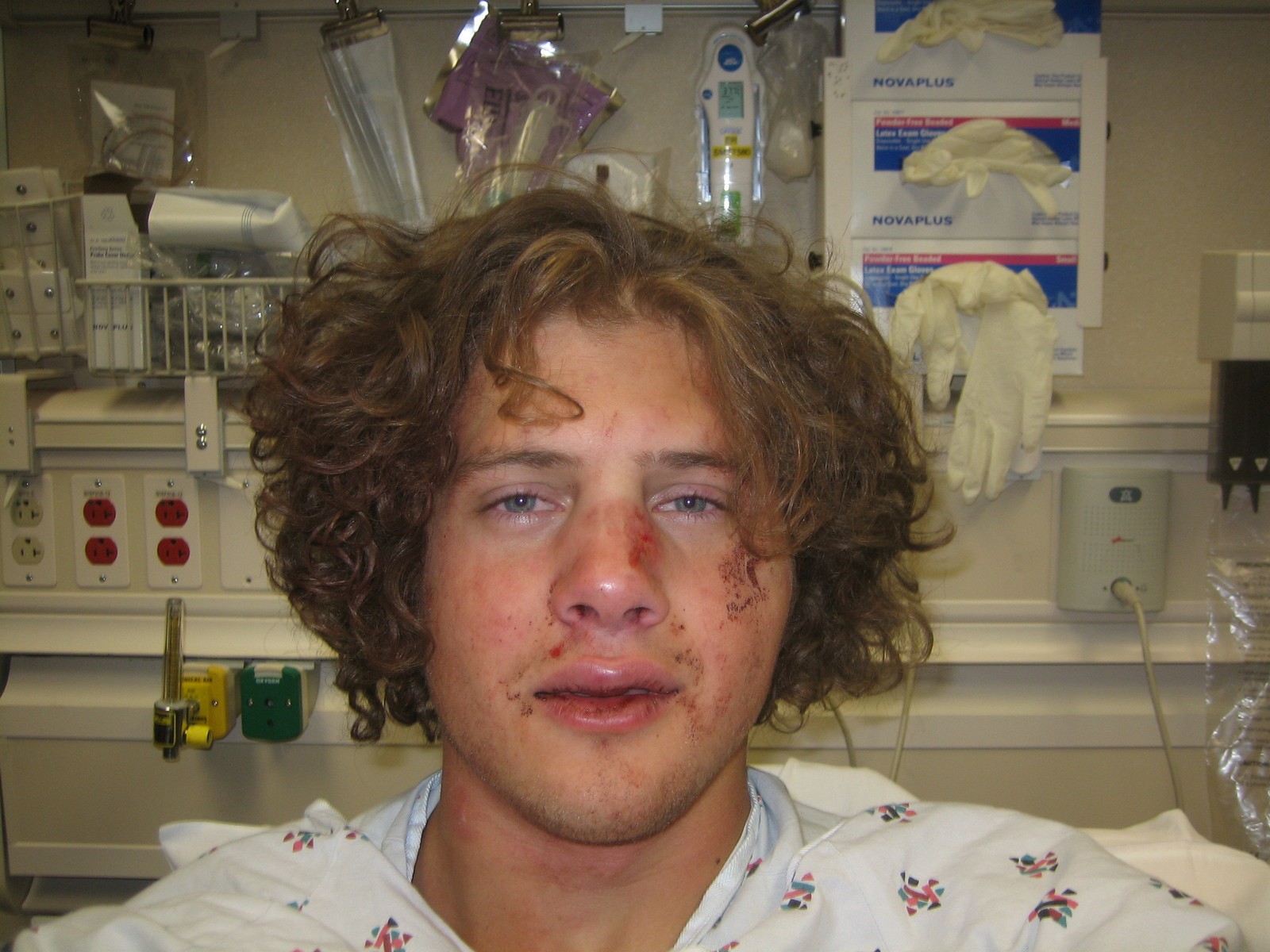
    After starting a brawl in 2006.

    Returning to me sitting in my room staring at the window and out the window at the same time – in this moment of reflection I realized that I was just going through the motions, advancing towards a place that I didn’t even want arrive at, against every instinct that I had. I seemed to be repressing, or not even exploring, my own desires and trying to develop my own view of reality. Instead I was substituting the values and meaning of others and therefore was inevitably disappointed with the outcome. I felt exhausted physically, tired of constantly feeling the need to simulate what was expected of me. I felt like I didn’t even exist, like I was a fragmented image constructed out of magazine clippings. This wasn’t living – this was just another form of suicide.  In the poem Howl there is a line that goes “What sphinx of cement and aluminum bashed open their skulls and ate up their brains and imagination?” That was why I had needed the pills, but they were also a form of suicide.

    Tripping in the mountains of Utah

    My mind was raw and I was capable of anything in that moment. I feel like I truly asked myself for the first time in that moment: What should I do? What do I want to do? I saw that the world was vast – there were so many different lives I could lead and places that I could explore. I didn’t have to take this path, but I didn’t know what path to take and I had previously felt too afraid to go adventuring. As I sat staring out the window, the phone rang. It was my friend Karina. She asked if I wanted to go into the mountains with her and take mushrooms the following weekend. I agreed and decided in that moment to stop taking all of the pills. The was going to veer off course and find another path.

    As the mushrooms took effect in the mountains the clouds lifted, and the world was no longer grey. I laid down in a creek and reveled at the moss under a waterfall, I marveled at the lines on my hands, I breathed deeply to smell the summer wildflowers in bloom. As darkness descended, we built a fire and the dancing of the flames was one of the most beautiful things I had seen in my life. As I looked up, I was forced to take a deep, slow breath to steady my mind as the profound reality of the Milky Way – our galaxy – overwhelmed me completely. I lay down on the ground that night and I wondered whether this was just a temporary feeling, something fleeting, whether I would return to the way that I had been before. This was the start of a different life and I have never been the same since I saw the complex beauty that coexists with all of the ugliness, death, and pain that characterizes life. After this experience, I dropped all of my classes in university, went traveling in Asia and started meditating. Drugs, travel and meditation have become integral parts of my life that have changed me for the better and help me to continue growing. I will share experiences that I have had with each one in further blog posts.

  • The Roots of Reality

    The Roots of Reality

    “I want to show you the reality of the people who live here, will you come?” It was with this question that the day veered off in a direction that rattled me deeply, a day that I will never forget. I looked out over a community that dotted a hillside near San Christobal Verapaz that lacked electricity – over forty homes and a school. I had spent that past few hours interviewing homeowners regarding their needs and resources, examining their homes, and thinking about ways in which we could bring cheap, clean electricity to this community. I drank glass after glass of pinol and cola. No homes had more than a few possessions – clothes, a table, and a few beds. Some of them had up to ten people living in one home. I had not been given much information beyond the name and phone number of a contact – Cesar. He translated most of my questions from Spanish into Poqomchi´. As I finished up my visits, the community had a few elements that didn’t make perfect sense. It had been recently settled. The homes were all of the same design –cinder block arranged into a three room 3m x 10m structure. The electric grid was nearby, but not connected. I generally like to take in information and build my own narrative rather than to outright ask questions, so when Cesar asked me this question about the reality of the people here, near the end of my visit to the community, I simply said “Let’s go.” I took a few last photos of the school and then we hurried down a footpath to reach a pickup truck that waited below.

    We climbed into a black pickup truck and sped off towards San Cristobal.

    “In 1981, 1982, and 1983 thousands of people from this area disappeared or were murdered,” Cesar explained. “Many of them have never been found. In 2012, the government permitted anthropologists to explore the grounds of a military base near Coban, where they encountered four mass graves that were filled with over 500 people – men, women and children. These remains are being tested and matched to families who have reported missing relatives. One family received their father’s yesterday and they are having a funeral this afternoon. We are going to bury his bones today.”

    We parked the car and started walking. We didn’t get far before Cesar stopped me and said, “Bring your camera.”

    “Really?”

    “Yes.”

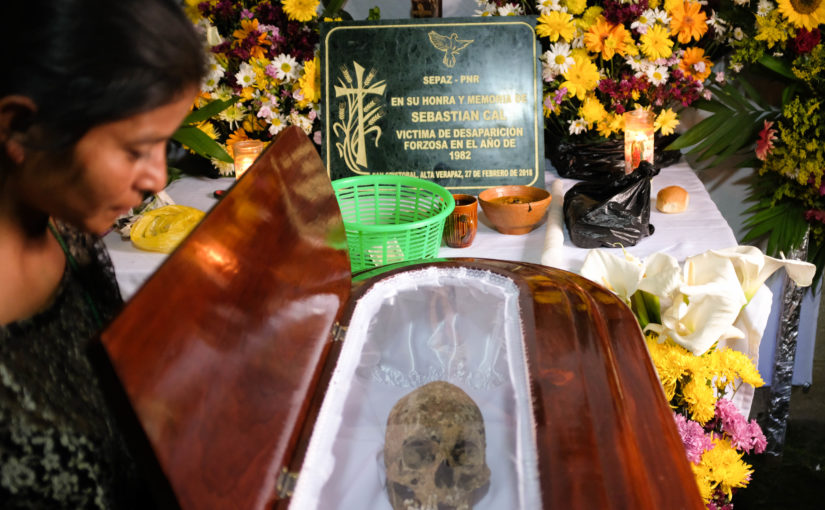
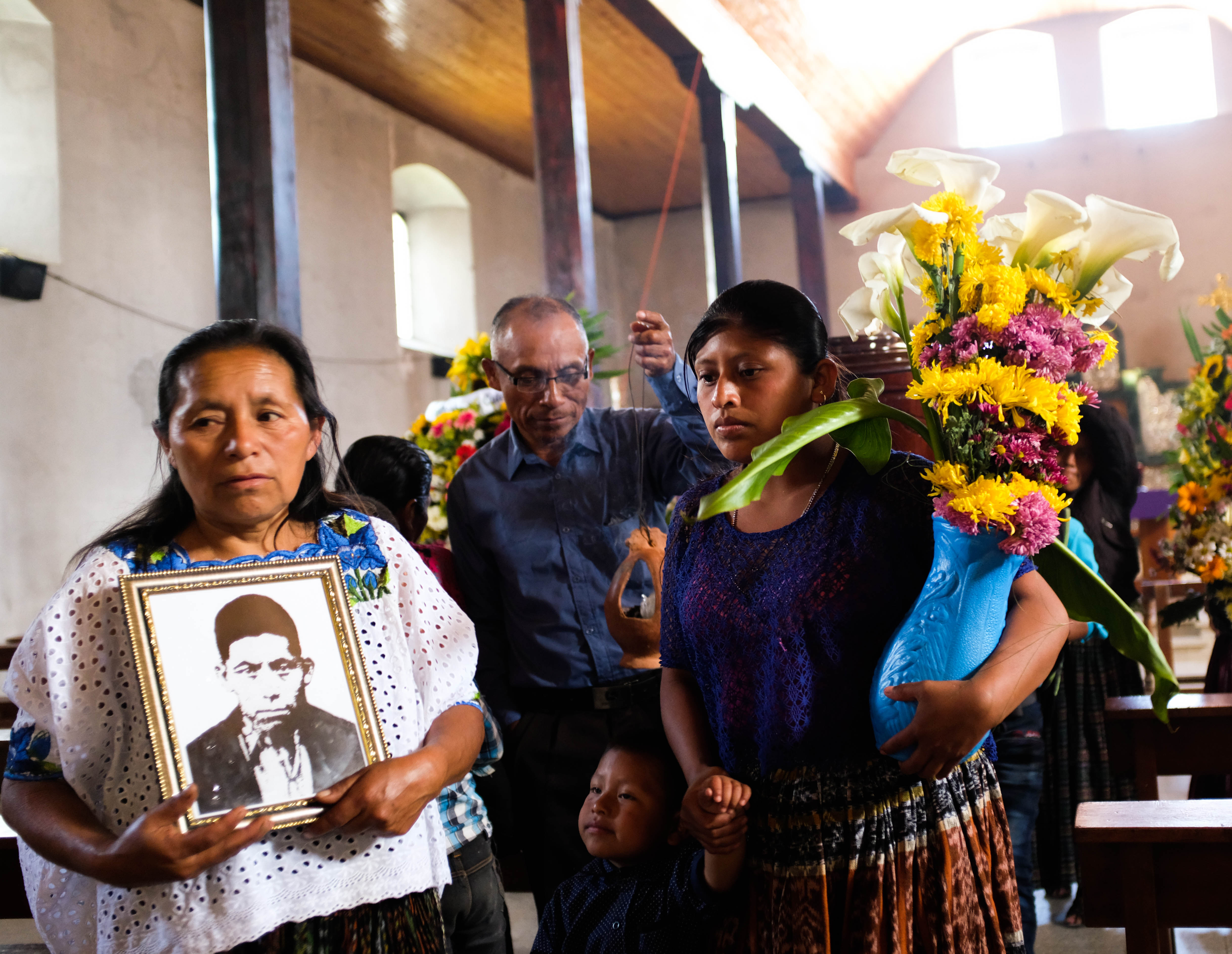
    I went back to the truck and grabbed it. We walked on a dirt path that bordered a creek through verdant pastures with coffee plantations in the distance. We arrived at a small home where a few dozen people were gathered. Cesar ushered me in and introduced me rapidly to the family members of the deceased. We then stepped into a room whose floor was covered in pine needles and the air was redolent with the smell of burning copal. There was a casket in the middle of the room and two women standing on either side. A black and white picture of a serious looking young man sat on the casket that was flanked by brilliant flower arrangements.

    Cesar opened the casket and a sheet covered the remains. He asked one of the women to uncover the remains. She did so, closed the lid, and then opened a viewing window for me to see what remained of Don Sebastian. I stood in silence. There was a deteriorated and broken skull peering out at me from the casket. Something slipped inside of me; the moment seemed too deliberate. It was like the world had colluded to bring me there, so that I would see this skull from an innocent man that had been kidnapped and murdered. I felt panic well up inside of me, for what reason and from where I cannot say. I could feel the hollowed out eye sockets of the skull peering into me and the eyes of everyone else in the room watching me. I felt like I let this happen, despite it having happened before I was born. Thoughts poured through my head in the interminable silence, how atrocities like this were happening today, how those of us who did nothing were responsible for letting people like Don Sebastian just fall through the cracks, letting them just disappear. We are complicit.

    “There are no words,” Cesar said.

    “There is nothing that I can say,” was all that I managed to say. What could you say and to whom? I looked around the room at the faces of everyone else as I took a deep breathe.

    “You can take photos.”

    “Really? You are sure?” I directed my question at everyone in the room. The women nodded. I interpreted this as them wanting the story of their father, relative, or friend, who had been nameless, buried in a hole with hundreds of other people for over thirty years, to be told. I snapped a few photos rapidly, vowing in my mind to tell this story.

    We set out. I carried some flowers and the family shouldered the lacquered casket that scintillated under the scorching midday sun. The procession packed into waiting vehicles and the casket was loaded into the bed of the pickup. I realized at this point that they had been waiting for us, we arrived in the truck that would carry the casket to the cemetery.

    We stopped in front of the faded white façade of the Catholic Church that overlooked the central square. We filed into the church and Don Sebastian was placed in front, again surrounded by flowers. The priest spoke at length in Spanish and performed arcane rituals whose significance was lost upon me. I knew that many of the people didn’t speak Spanish from my interviews and this was made clear by the fact that most of the crowd completely disregarded his commands to sit and rise. It put me at ease, because I didn’t understand either. As he went through his rituals I watched a group of kids wrestle and giggle between the rows of pews, making a racket that echoed off the concave roof of the building. The parents let them be; I decided that the laughter of these kids is what should have been written in the bible. The priest did not laugh.

    We departed from the church on foot. The women and children wore hand-made guipiles and dresses of woven of every color under the sun. The family took turns carrying the casket and flowers. People lined the sidewalks, stood in doorways, and peered out from windows.

    I gestured to the people watching us pass and asked Cesar, “Do most of the people know why we are here today? Do they know what happened?”

    “Yes. I would say most of them know about the disappearances and the mass graves. Almost every person in this community was directly affected by the civil war.”

    I told Cesar that most people from the United States did not know about what happened in Guatemala. We were not taught that the our government backed and armed oppressive regime after oppressive regime because land reform threatened US interests in the country. We were not taught that these successive regimes killed and disappeared between 140,000 and 200,000 mostly indigenous peasants in what amounted to genocide. In a particularly terrible period in the 1980’s, entire villages were razed and burned to the ground. A story is often told that the guerillas who advocated land reform were partly responsible for this violence, but a United Nations-backed commission – La Comisión para el Esclarecimiento Histórico – found that the government was responsible for 93% of the killings.

    The violence did not end as the war wound down. The truth was too much of a threat. Archbishop Juan Gerardi, a defender of human rights, investigated and documented the atrocities and crimes that occurred during this period in a report entitled Guatemala: Nunca más. Two days after it was published he was beaten to death in his own church.

    Every Guatemalan that I have asked has told me that the history of the civil war is not taught in school there either. They say that possibly in university – a public one, not a private one – you will learn about what happened here. Social amnesia is an intentional process orchestrated by individuals and institutions that benefit from appropriation of land or resources, slavery, colonization, or looting of public goods for private gain. History is ignored, or rewritten in a way that doesn’t clearly define who benefitted and who lost, facts are distorted, intent and causation obscured. As time goes on rage is replaced with resignation in the face of injustice, memory fades around who took what from whom, and a new normal solidifies. The threat of punishment, redistribution, or retribution slowly fades. The wealth and resources that were appropriated don’t fade away though; they grow in value.

    We blocked the streets and traffic politely waited behind us with nary a horn. We marched on towards the green foothills that cradled the city. I caught a few words from a girl that was talking with Cesar that piqued my interest.

    “Why would I believe in words written in a book? I don’t trust them. They are just someone else’s view of the world; the way that they want other people to see. I know that trees, rivers, and mountains have spirits, yet none of that is in the bible. I think we should all just trust what we know. The story of the bible is the story of the colonizers.” She spoke with passion and I listened in admiration.

    As we walked, I met a woman named Lourdes that who worked with an organization that worked to document the history of San Cristobal from ancient times to recent history – meaning she documented from Poqomchi´ creation myth to the aftermath of the Guatemalan Civil War. We walked side by side through the graveyard.

    She swept her hand over the back of the graveyard. “Most of these graves in this area are from people who died in the conflict. One of the most important leaders of the pueblo is buried here. He managed to buy two large coffee plantationsusing credit and then returned the land to the people that it rightfully belonged to. The movement was gaining momentum and power, it was a threat and wealthy people took notice. He was kidnapped and murdered, just like Don Sebastian. What they did worked – the land redistribution movement here was halted by fear. But they didn´t stop killing,” she explained as a matter of fact.

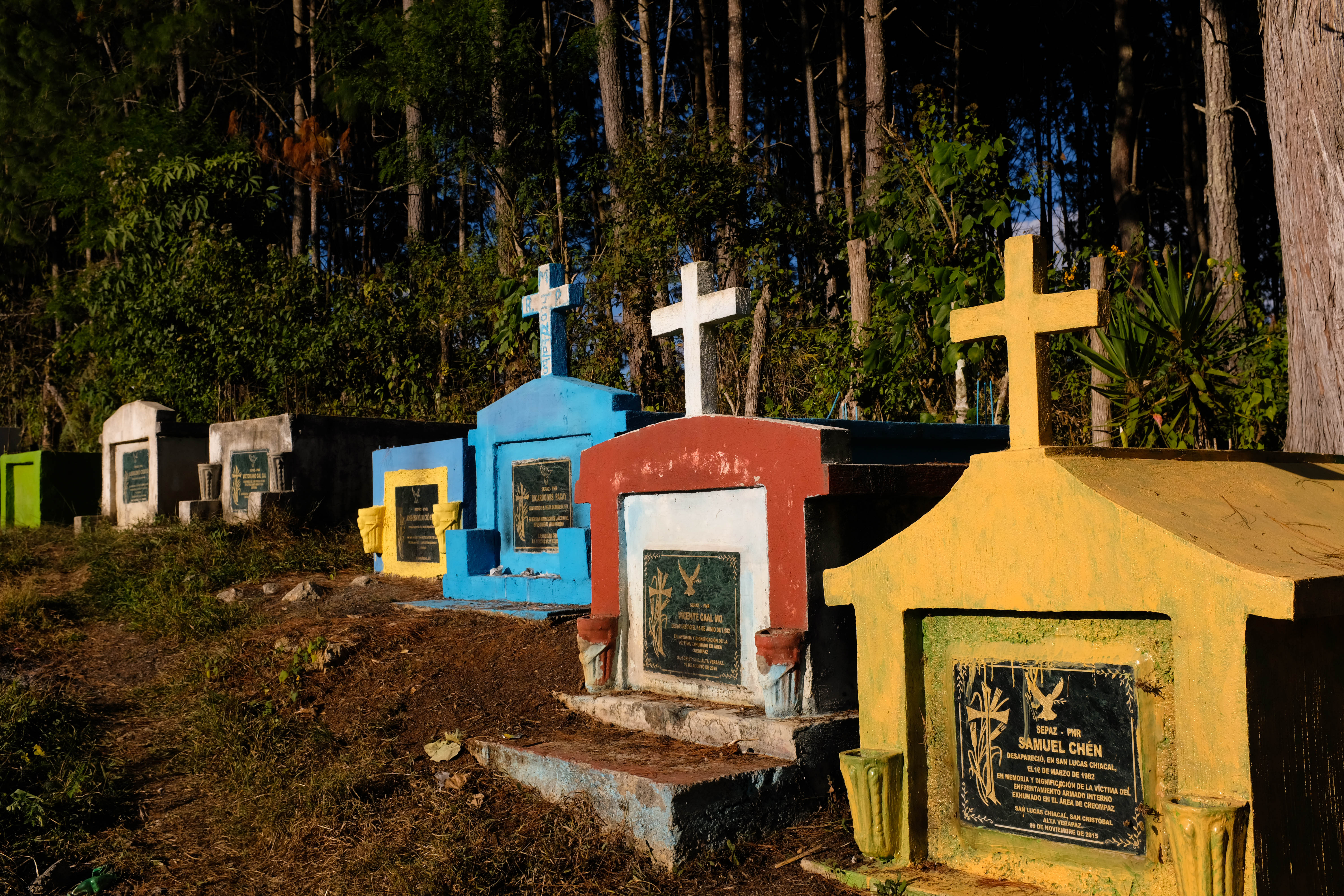
    We continued on in silence, sweating under the power of the sun. The path was lined with graves that identified the deceased as being a victim of forced disappearance or internal conflict. Just like on Don Sebastian’s plaque – the date of their disappearance, date of discovery, and location of discovery were listed on the plaque. Many of the plaques listed their location of discovery as CREOMPAZ.

    “Where is CREOMPAZ?” I asked Cesar.

    “That is the military base in Coban where some of the largest mass graves from the civil war were discovered. Many of the bones show signs of torture. The facility was where people were brought to be tortured, murdered, and then thrown in holes as if they were animals. So far about 130 of the 550 remains found there have been identified.”

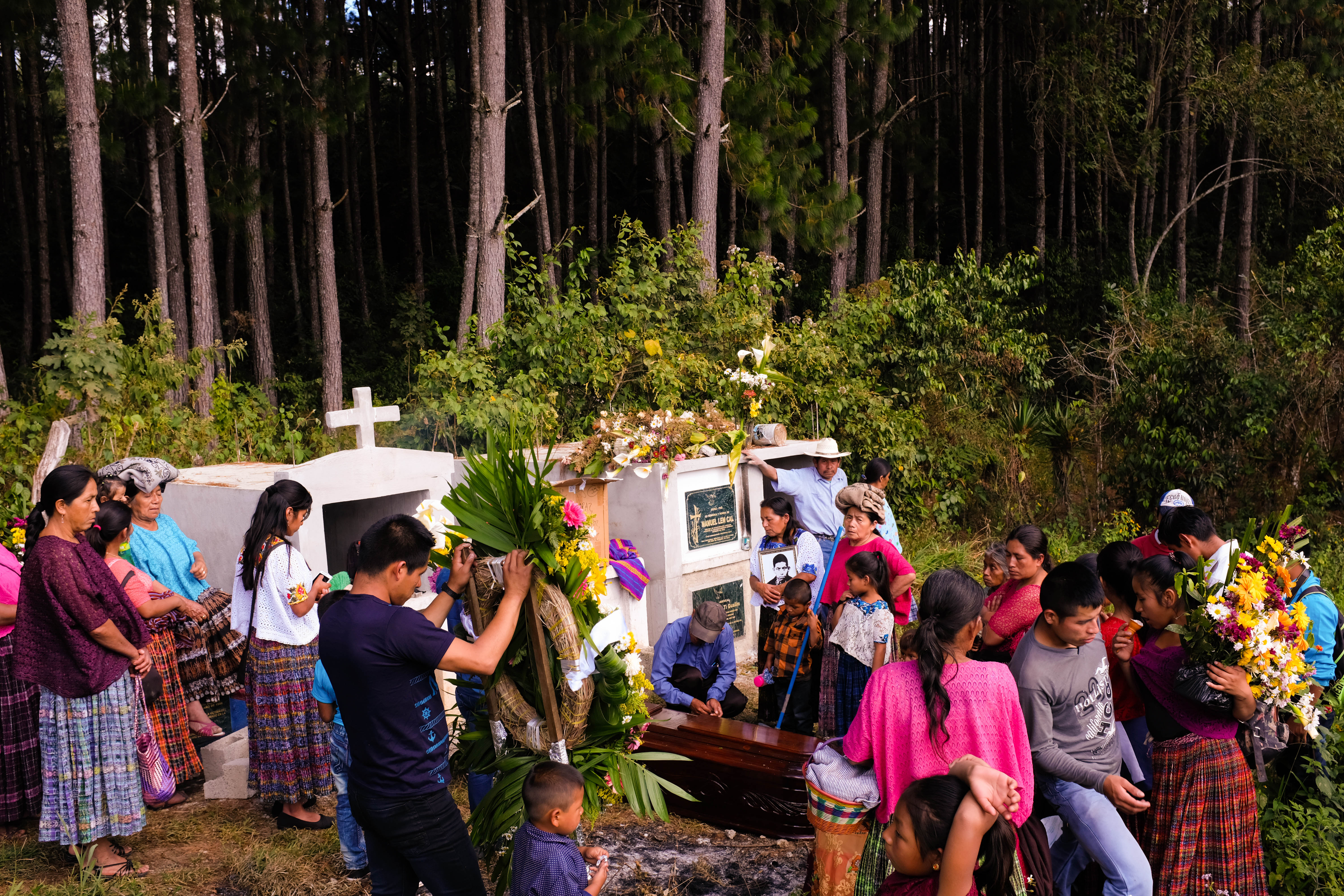
    We gathered around the casket. The wind whistled through the pines. A man was selling ice cream to many of the attendees. A woman began to speak. Her voice shook as tears welled up in her eyes and she choked back sobs. I listened and cried quietly as she poured forth words that seemed like they had been burning inside her for decades. I can only remember the parts that were seared into my memory.

    “Don Sebastian was murdered for believing that we had rights and for trying to protect them. He was murdered by a government and a military that say they are there to protect us, but in reality they are there to protect what the wealthy and the powerful. There is no government that is legal in the eyes of the pueblo. They are there to protect the people who took our land, the people that are the reason why I make just enough money each day to feed my children and have to rent a place to live,” She faced the sun and her tears caught the amber afternoon light as she let loose, “What have they ever done for us? They don’t care about us. If there was a president, or a policeman, or a soldier in this casket there would be a parade and a band. For us, for someone from the pueblo?” She waved her hand around at the small group of people standing around the casket. “Nothing.” Her eyes continued blazing with rage and hurt as she translated everything into Poqomchi´.

    Everyone stood mute or sobbing. Don Sebastian’s daughter stood beside the casket holding his photo. She managed to choke out, “If they hadn’t killed him, he might still be alive today. I might have a father.” She looked up towards the sky. “Why did they take you from us? What happened to you?” She fell to her knees beside the casket and trailed off into sobs and wailing. When she finally regained her composure she began to pray in Poqomchi’. The rest of the crowd joined with soft prayers or chants in the same tone, just above a whisper. I closed my eyes and the sound shook me deeply as the words were imbued with a force, something timeless that I could feel, but not understand.

    Silence eventually descended until only the pines spoke. I thought again about how many more times this same funeral would play out here and in innumerable other parts of the world.

    Don Sebastian was placed into his tomb and then we stood as it was meticulously sealed with cinderblocks and concrete, seemingly waiting to make sure that this time he would not be deprived of his right to a peaceful place to rest under any circumstances.

    We turned our backs on his grave and walked in silence for a while before asking Cesar, “Did the Civil War affect your family?”

    “No, not directly. Like everyone, they lived in fear. But nothing like the people here. The brother of Rueben, the founder of our organization, disappeared and he still doesn’t know what happened to him. So this is all very person and something that he lives with each day. He paid for most of this funeral and another recent one,” he explained.

    I hopped into the back of the pickup with the woman who made the impassioned speech at the funeral. I introduced myself. Erlinda sat with her two little kids huddled around her. I wasn’t quite clear what her relation was to the Don Sebastian.

    “Was Don Sebastian your father?”

    “No, he was a good friend of my father. They were both professors and were working to return land back to our people. I think what happened to Don Sebastian happened to my father as well. I think he was kidnapped and murdered. I never knew why I grew up without a father for a long time. When I was a little girl, we fled our village as soldiers burned our home and everything that we owned to the ground. We ran into the mountains to hide and were forced to eat whatever we could find. We were forced to come to the city for refuge, but we had nothing. Eventually, I began to wonder why other kids had fathers and I did not. My mom explained that he had been disappeared, our land had been taken, and that was why we were living in extreme poverty. I started looking for my father over 20 years ago. My mom and my sisters gave up – they don’t want to get involved in it or think about it. I am the only one who can’t let it go. I need to know what happened to him, if he is dead or alive. I just want to know him – I would even forgive him if he had another family. I just want to know. I named my son,” she nodded towards the boy who clung to her side, “Mariano after my father.”

    “How did you end up in La Colonia?”

    “I was renting and working with barely enough money to feed my children when I met Reuben and he decided to help me. I have two jobs – taking care of my children and making money to feed them. I barely make any money because I never had the chance to study when I was a girl. I want to study because that is the only way that anyone can get ahead, but I have to work every minute just to feed my daughters and pay for their school supplies. I work so hard, I work from dawn to dusk and get paid 15 Quetzales (two dollars). Barely enough for food,” She paused to think before saying, “Maybe when my girls are a bit older I can go back to study.”

    We arrived back at the home where we started. Smoke was billowing out from the cooking fire under a massive pot of saqkik – a dish made with corn meal and, in this case, chicken. The table was loaded with tamales wrapped in banana leaves. Darkness had fallen and a nearly full moon lit up the fields. Saqkik is eaten without utensils and kids gathered around me and howled in laughter as I sloppily ate the saqkik and let it drip from my beard.

    “Hunger, which kills silently, kills the silent. Experts speak for them, poorologists who tell us what the poor do not work at, what they don’t eat, what they don’t weigh, what height they don’t reach, what they don’t have, what they don’t think, what parties they don’t vote for, what they don’t believe in.

    The only question unanswered is why poor people are poor. Could it be because we are fed by their hunger and clothed by their nakedness?” – Eduardo Galeano

  • Lake Forest: Hillbillies and Satanists

    For years I would go downstairs at night to fix myself an outsized bowl of cereal. I found a strategy that was foolproof in preventing any harm from befalling me over the years: as long as no one knew that I was scared, then no harm could befall me. I would, exuding tranquility and lack of concern, descend the stairs and walk into the kitchen on the first floor with my heart racing. I would prepare the bowl of cereal, careful to not take any concerned glances at the impenetrable darkness in the windows and to ignore the floor that creaked with my steps. There were innumerable presences whose actions depended directly upon mine skulking beyond my periphery. I would calmly ascend the stairs, but with a little additional quickness added to my step. When I stepped off the plane in Salt Lake last week I felt similar to how I felt when I had made it to my room safely with the bowl of cereal. I no longer had to be scared and pretend.

    On Saturday snow began falling early in the morning with wind blowing it sideways. I rode up into the cloud shrouded mountains with my brother and sister to do one of the most amazing and ridiculous of things: skiing.  It makes no sense, it is like being a hampster on a wheel.  It may have been the low light or lack of depth perception, but I felt as if I was floating. I felt weightless on a white cloud with everything else blotted out through its sheer brightness and uniformity.

    I saw a few old friends on the mountain and at dinner who crushed me in hugs and laughed as I unselfconsciously rambled at a mile a minute about skiing, New York, relationships, writing, reading, and work. Friends and family piled into my mom’s apartment to make pizzas and have a few drinks. It felt like a summit of immeasurable importance as we made light of our uncertain futures, poor choices, hopes, and fears. We reminisced about life and the years that had passed. We tossed logs in the fireplace and howled in laughter.

    One of the stories that came up during the night was that of the Blue Sisters. With the years memories seemingly pass through a sieve comprised of irregular holes that incomprehensibly let some things drop away while others remain. The Blue Sisters saunter into my mind as unpredictably as they did as hooded apparitions into our neighborhood many years ago.

    There was slightly less than a decade left in the millennium when I first encountered the twins. I remember waiting at the bus stop with my dad and brother. They came walking towards us in matching dark blue hooded sweatshirts with the hoods raised and framing their faces. We didn’t grow up in a neighborhood where people were friendly or for that matter even knew who most of their neighbors were. No words were exchanged between us as the two walked side by side, pushing a baby carriage. The traffic kept rushing by on Waukegan Road, filling the silence with the whir of tires. As they passed I looked into the carriage, which wasn’t far from my eye level, and saw several cats lazing in a cocoon of blankets.

    As these encounters became routine, we became perplexed. They didn’t look like they were ready to go to work, as they were perpetually shrouded in sweat suits, and nobody walked around our neighborhood except with a very clear purpose or in the case of emergency. We found these peregrinations to be ominous and bizarre, even without the addition of the stroller cats.

    My brother and I whispered as they passed. Witches. Satanists. Sacrifice animals. Entire house is a litter box. Pet cemetery in their yard. Raise animals to eat them. Drink own pee. Spent time in mental hospital. Child drowned in pool behind their house. Walls covered in carpet. We spun fantastical explanations for local phenomena that implicated the sisters. We talked to other kids, trying to grasp what we were dealing with. We talked big, plotting flaming bags of feces and fireworks through the mailslot. We kept our distance though, as it was preferable to all parties involved that the sister’s remained a mere object of speculation.

    My family was the closest thing that Lake Forest, Illinois has ever had to carnies or hillbillies. We lived on the West side of town, where no blue blood would dare reside as people there had to shamefully work for their money. There were six of us kids, a family unusually large for a community of miserable heirs and striving, anxious professionals. We put additions on our house with our own hands. We had a pig that came inside to eat in our kitchen that we predictably named Wilbur. We had chickens, including a fighting cock named Sunny who was involved in three separate traffic incidents; I still laugh imagining our neighbors stepping out of their German sedans with their brows furrowed as they examined the bloody, white squawking animal that would have been as out of place than a black person on our street. Sunny recovered each time. I would tell other kids that my dad was drunk at a cockfight in Waukegan and bought it after it won a six round bout. We had rabbits. We raised grey squirrels. Chipmunks that invariably escaped and homesteaded within our walls to my dad’s chagrin. Birds. Turtles. Snakes. We built tree houses and forts, complicated eyesores that our neighbors called the city building inspector over. We shot guns in the backyard, at bee’s nests or at the boxes on the telephone pole. (We knocked out phone service to the neighborhood one time and I remember lying to the man from the telephone company while my parents were at work after he inspected the bullet riddled box.) My brother and I played with fire regularly and held pissing contests off of every highpoint within a several mile radius.

    We were also the type of people that refused to leash our dogs. This led us into frequent confrontations with our neighbors. One of our neighbors was a prominent architect at Skidmore, Owings and Merrill that my dad always described as ‘being so uptight that you could put a lump of coal up his ass and in a week you would have a diamond.’ One day my mom answered the door and he stood in front of her with a gnarly, yellow streaked dog turd on a piece of fine white china. He said, ‘Your dog left this in my yard.’ My mom offered an insincere apology while quickly closing the door to stifle back her laughter. Our laughter poured out the open windows of our un-air conditioned house as he walked down the driveway.

    One halcyon fall day, my brother, sister and mom were walking with our German Shorthaired Pointer named Belle. We stopped in front of the Blue Sister’s house to inspect a pentagram painted in red on their mailbox when Belle decided to squat with quaking haunches over their front lawn.  We had to continue walking down Ashland Road as she would refuse to make eye contact and hurry through the act if we did not give her privacy. We heard unintelligible screaming come from their front door, but continued on our way. Belle casually trotted up with us as we were in the midst of discussing the other weird people who lived in an underground brick pyramid of a house at the end of the street. Suddenly, we heard a car coming up behind us at a rapid speed, its engine roaring. We saw a brown Crown Victoria coming at us and we moved to the curb, but something didn’t seem right as the car was going too fast and seemed not to acknowledge our presence.

    We hopped into the grass and the car narrowly missed hitting us, an unintelligible howl of language came out the windows at us. We saw the matching dark hoods as they passed. They quickly turned around on the round-a-bout and boomeranged back at us. We were well clear when they flew past in a flurry of tongues and tire squealing rage. We took a back route home and kept looking over our shoulders as we huddled against my mom for safety.

    We didn’t know who actually lived under the hoods until we called the police. The police arrived at our house and spoke candidly with my parents about the Blue Sisters. Lake Forest handles legal issues in a different manner, always trying to handle them with a certain amount of discretion. We were told how after a call from a neighbor, the police had staked out the house for several days, waited for the sisters to leave, then freed their mother from a chair to which she was tied and took her into state custody. At this point the police found hundreds of cats and walls painted with pentagrams and other errata. They learned through various encounters that the sisters spoke some sort of ‘satanic language.’ We were told to stay away as the police wanted to do the same.

    My dad realized that he had attended highschool with them and had almost asked one of them to prom. He remembered them as cute blonde cheerleaders who were a little odd. How life weathered them into such oddities will remain one of life’s mysteries.

    My dad has a penchant for novel, passive aggressive solutions to problems, like using a cell phone jammer to silence other passengers on public transportation. The following morning he waited at the bus stop with us, Sony Handycam in hand. He had decided that videotaping them would both provoke them and provide us with a modicum of security. They walked towards us on the sidewalk with their cat carriage. My dad hit record, aimed the camera at them as they approached on the narrow sidewalk, and we sat in quiet anticipation. He panned with them as they moved and it almost seemed like nothing would happen until one of them exploded. One of them started screaming in the devil’s tongue and the other was yelling for my dad to shut it off. He kept taping them, morning after morning, until they stopped coming past.

    Another day we were playing baseball in our neighbor’s large front yard when my dad saw them walking past on the sidewalk at the far end. He quickly grabbed the bat from me and then several baseballs. He proceeded to toss up balls and hit fungos and line drives at them. We laughed and loved him for these antics. Then, one day they were just no longer around. A year or so later my dad stumbled across a newspaper article detailing their arrest with dozens of cats living in a van.

    As I sat with friends and family collectively weaving stories and nearly crying with laughter, I suddenly understood life. The questions of purpose and direction that vexed me in New York seemed meaningless, laughable in this moment.Everything seemed laughable as I had everything that anyone could ever want. These dreamers, these cynics, these wanderers, these weirdos are all that I believe in. I love you all.